
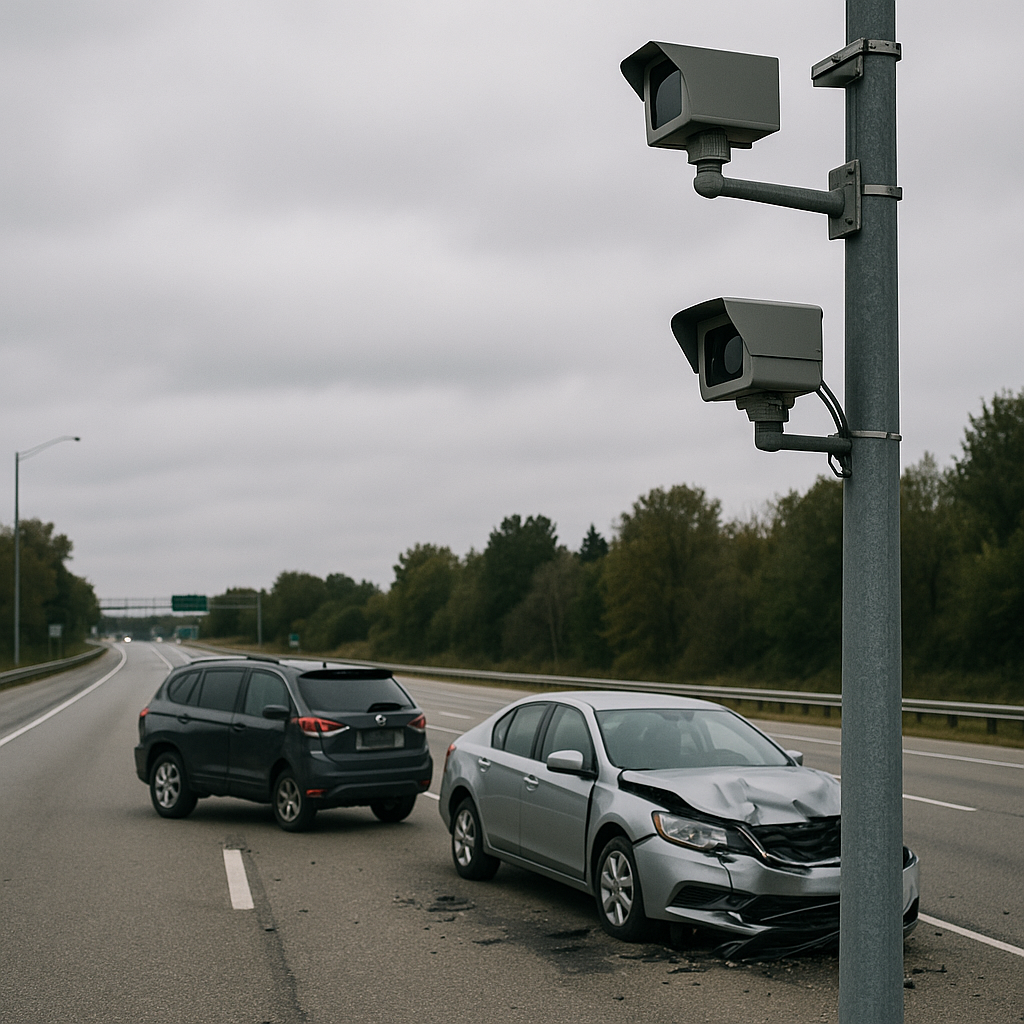
How NDOT Traffic Cameras Assist Crash Reporting
Crashes on Nevada’s roads impact thousands of drivers and passengers every year. In the aftermath of a collision, timely and accurate information is crucial for first responders, law enforcement, highway maintenance teams, and the general public. One valuable tool in this process is the network of traffic cameras operated by the Nevada Department of Transportation (NDOT). These cameras provide real-time and recorded footage that play a significant supportive role in crash response and in informing the reporting process. Understanding how NDOT traffic cameras assist crash reporting reveals a fascinating look into modern traffic management and public safety, specifically tailored to Nevada’s needs.
Overview of Crash Response and Reporting Systems in Nevada
Nevada’s approach to traffic incident management relies on collaboration between several agencies, each playing a unique part in handling traffic crashes. When an incident occurs, a cascade of coordinated responses springs into action. The state’s highways, urban arterials, and busy intersections are monitored by NDOT’s network of traffic cameras, which feed live video to transportation management centers in real time.
These camera feeds are part of a larger technology framework aimed at reducing congestion, promoting safety, and helping officials verify and assess crashes quickly. The footage from NDOT cameras is not only used by NDOT staff, but is often shared with police, fire, and emergency medical services (EMS), as well as municipal traffic management and, in some cases, disseminated to the public through traffic alert systems. This inter-agency cooperation speeds up the reporting and clearing process, keeping Nevada’s busy roads safer and more efficient.
Common Agencies and Reporting Steps (Educational)
Crash reporting in Nevada involves an array of public agencies. The most prominent include:
– Law Enforcement Agencies: The Nevada Highway Patrol (NHP), municipal police departments, and county sheriffs often serve as the first points of contact when a crash occurs, especially on major highways.
– Nevada Department of Transportation (NDOT): Beyond maintaining roads, NDOT operates the extensive traffic camera system and provides critical traffic information and support during incident response.
– Local Emergency Services: Fire and EMS crews are dispatched as needed, based on the severity of the incident.
– Traffic Management Centers (TMCs): These centers monitor road conditions in real time, often through NDOT’s traffic cameras, dispatching resources and providing information to agencies and the public.
The process typically begins with the notification of law enforcement—sometimes by a 911 call, sometimes by automated alerts or reports from TMC staff monitoring NDOT cameras. Once a crash is confirmed, agencies coordinate response activities, including dispatching first responders, setting up traffic control, and documenting the scene.
How do NDOT traffic cameras assist crash reporting in this ecosystem? They provide a direct, visual confirmation for agencies that a crash has occurred, help determine its exact location, and immediately assess the apparent severity of the incident. This information helps responders route resources more effectively and update reporting databases with real-time accuracy.
Documentation Typically Involved
A pivotal aspect of crash reporting is accurate and thorough documentation. Information from NDOT’s traffic cameras significantly supports this part of the process.
Law enforcement officers and transportation officials typically log details such as:
– Date, time, and exact location of the collision (sometimes pinpointed using visual markers from traffic camera feeds)
– The number and type of vehicles involved
– Observed cause or contributing factors, such as weather or road conditions (which can often be verified by camera footage)
– Description of injuries, property damage, or potential road blockages
NDOT traffic cameras assist crash reporting by providing objective, time-stamped visual evidence that can corroborate or clarify initial eyewitness reports or officer observations. For instance, cameras can capture the precise traffic flow at the moment of the incident, show vehicle positions before and after the crash, and record environmental factors such as lighting, weather, or roadway hazards.
Some police reports might reference traffic camera footage as a supplemental source, especially in complex or disputed incidents. While access to raw footage is typically restricted to agencies and not available for general public or insurance use, the information gleaned from NDOT camera feeds influences the accuracy and quality of official crash documentation in Nevada.
Common Reporting Misunderstandings
Despite the valuable role of NDOT traffic cameras in crash reporting, several common misunderstandings persist among the public:
– Traffic Cameras Are Not Live Police Patrols: Some individuals mistakenly believe that traffic cameras are monitored continuously by law enforcement and will result in instant dispatches after every incident. While the cameras are often monitored at TMCs, not every camera is watched at all times, and not every incident receives immediate attention unless flagged by a call or automated detection.
– Footage Is Not Always Preserved or Publicly Available: There is a misconception that all NDOT camera footage is recorded, archived, and readily accessible to the public, accident victims, or private insurance companies. In reality, most NDOT cameras provide live feeds primarily for incident management and are not intended as permanent surveillance devices. Footage not associated with an identified incident may not be stored for any significant length of time.
– NDOT Cameras and Privacy: Some believe these cameras capture detailed, close-up evidence for individual cases. In fact, many of NDOT’s traffic cameras are positioned for broad area surveillance, focusing on overall traffic flow rather than details of individual vehicles or persons.
– Role in Determining Fault: People sometimes assume that traffic camera footage alone is decisive in assigning responsibility or legal liability in a crash. In most cases, footage is just one element among many—alongside driver statements, physical evidence, witness accounts, and responding officers’ investigations.
By understanding these limitations, Nevadans can better appreciate the supportive—rather than all-encompassing—role NDOT cameras play in crash reporting.
Neutral Closing Paragraph
NDOT traffic cameras have become an integral component of Nevada’s crash response and reporting landscape. While they do not replace thorough investigations or the responsibility of drivers and witnesses to report incidents, these camera systems enable agencies to respond more effectively, manage traffic disruptions, and document essential details with greater accuracy. As technology evolves, so does the toolkit for safer, smarter roads in Nevada—making the partnership between agencies, technology, and public awareness ever more essential in keeping our roads safe.