
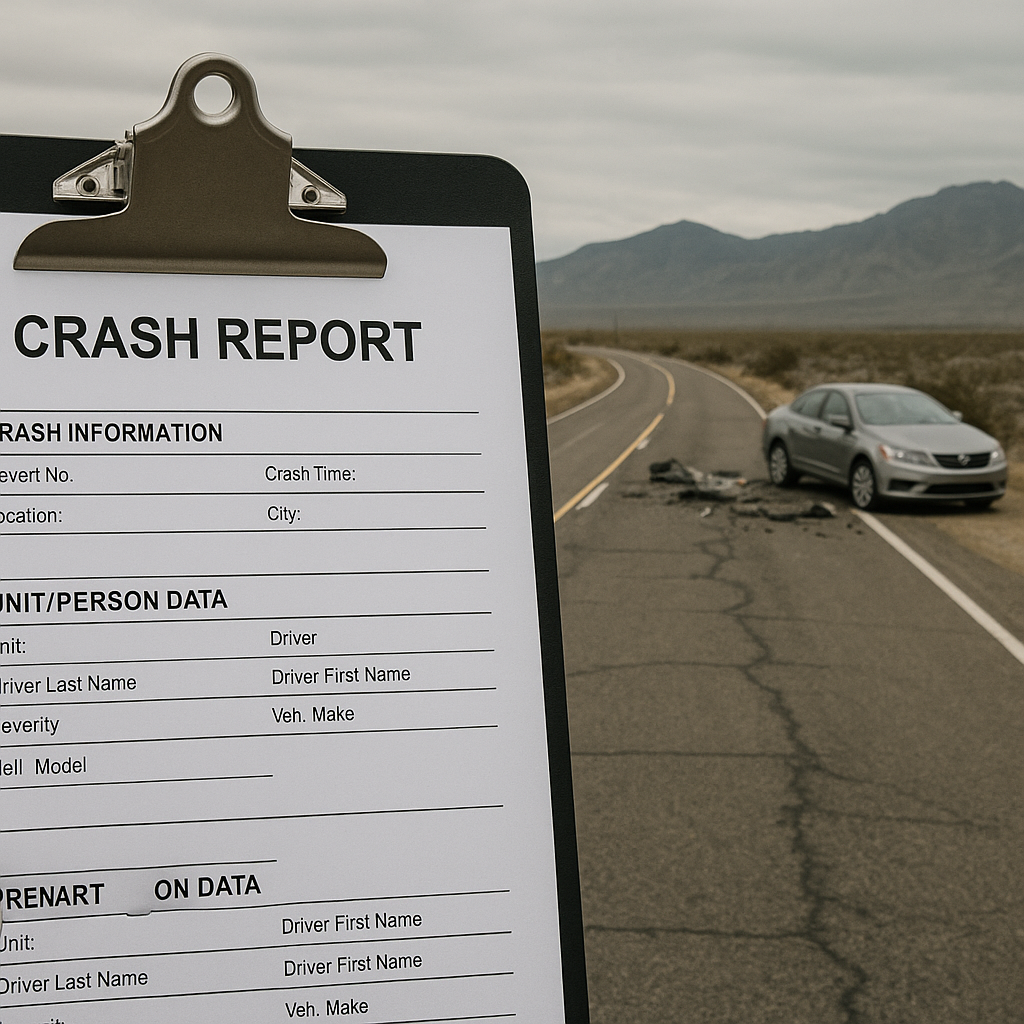
How Nevada Crash Reporting Data Reveals Trends
Understanding traffic safety and the factors that contribute to crashes is essential for developing effective prevention strategies. In Nevada, crash reporting data provides a valuable resource for identifying patterns and trends in road incidents across the state. By analyzing this data, researchers, policymakers, and the public can gain insights into common causes, risk factors, and evolving challenges on Nevada’s roads. This article explores how Nevada crash reporting data reveals trends, highlighting underlying factors, the severity of incidents, and temporal changes in crash patterns.
Overview of the Trend or Pattern
Nevada’s crash reporting data, collected and maintained by agencies such as the Nevada Department of Transportation (NDOT) and the Nevada Highway Patrol, offers a comprehensive snapshot of traffic crashes occurring throughout the state. Over time, this data has revealed several clear trends in the frequency, causes, and outcomes of these incidents.
One prevailing pattern is the concentration of crashes in urban areas such as Las Vegas and Reno, where traffic volumes are highest. These metropolitan zones experience a disproportionate number of collisions, particularly involving passenger vehicles, pedestrians, and bicycles. Contributing factors include dense traffic, complex intersections, and a higher incidence of distracted driving behaviors.
Additionally, Nevada crash reporting data reveals seasonal fluctuations. Collisions tend to increase during holiday periods and summer months, coinciding with higher travel demand and tourism activity. For instance, Interstate 15, a major corridor linking Southern California to Las Vegas, sees spikes in traffic crashes during holiday weekends due to a surge of visitors and sometimes impaired or fatigued drivers.
Rural areas in Nevada present a different set of crash trends. Though traffic volume is generally lower, crashes on rural highways often involve higher speeds and longer emergency response times. These crashes frequently result in more severe injuries or fatalities, a trend that persists across various reporting periods.
Common Factors Behind the Pattern
Several common factors underlie the crash patterns revealed by Nevada’s reporting data. Identifying these factors helps in understanding why certain types of crashes occur more frequently in specific contexts.
Distracted Driving
Distracted driving is a leading cause of traffic accidents across Nevada. The proliferation of mobile devices and in-vehicle technologies has made driver distraction a persistent issue. Data often show that cell phone use, eating or drinking while driving, and interacting with navigation systems contribute heavily to collisions, particularly in urban settings.
Impaired Driving
Alcohol and drug impairment remain significant contributors to Nevada crashes. Nighttime and weekend data commonly reveal a higher incidence of alcohol-related crashes, especially on weekends and holidays. Enforcement campaigns and public awareness programs target this issue to reduce impaired driving fatalities, but it remains a critical concern.
Speeding and Reckless Driving
Nevada’s wide open highways encourage higher travel speeds, and speeding is frequently recorded as a factor in crashes, especially in rural and interstate settings. Reckless behavior such as aggressive driving, unsafe lane changes, and failure to yield also appear prominently in crash reports.
Roadway and Environmental Conditions
Road conditions, such as poorly marked lanes, insufficient lighting, and roadway design, contribute in part to crash occurrences. Nevada’s desert landscape introduces unique challenges, including glare from the sun, dust storms, and sudden weather changes. These conditions can impair driver visibility and vehicle control.
Pedestrian and Bicyclist Vulnerability
In urban centers like Las Vegas, pedestrian and bicycle crashes represent a notable portion of traffic incidents. Factors such as limited crossing points, distracted drivers, and cyclist behaviors emerge as contributors in Nevada crash reports.
Why Severity May Be Higher in Nevada Conditions
Nevada’s geographic and environmental context influences the severity of crashes reported throughout the state. Several key elements contribute to this higher severity:
High-Speed Roads
Nevada features numerous long stretches of highway where speed limits are often higher than in many other states. When crashes occur at these elevated speeds, the risk of serious injury or fatalities increases substantially compared to lower-speed collisions.
Delayed Emergency Response in Rural Areas
In less populated areas, emergency medical services (EMS) may face longer response times due to the remoteness of crash locations. This delay can exacerbate the outcomes of injuries sustained in crashes, increasing the likelihood of severe or fatal injuries.
Harsh Environmental Conditions
Extreme heat, glare from desert sunlight, and adverse weather events such as dust storms can compromise driver performance and vehicle safety systems. These factors, when combined with high speeds, contribute to the complexity and severity of crashes.
Vehicle Type and Occupant Protection
Nevada’s diverse vehicle mix, from motorcycles popular among tourists and locals to heavy trucks traveling through the area, affects crash outcomes. Motorcyclists and occupants of smaller vehicles tend to experience higher injury severity in the event of collisions.
Nighttime and Low Visibility Crashes
Crashes occurring at night, particularly on poorly lit rural highways, tend to be more severe due to the difficulty in detecting other vehicles, pedestrians, or obstacles. Nevada crash reporting data consistently highlights higher fatality rates in nighttime crashes.
How Patterns Change Over Time
Nevada crash reporting data is not static; trends evolve as new factors emerge and as behavioral, technological, and infrastructural changes take place.
Shifts in Urban Mobility
As cities in Nevada grow and new developments emerge, crash patterns shift accordingly. For instance, increased use of rideshare services, electric scooters, and bicycles influences the types and locations of collisions. Urban expansion also affects traffic congestion and exposure to risk.
Impact of Policy and Enforcement
Graduated driver licensing, stricter DUI laws, seat belt campaigns, and speed enforcement initiatives influence crash trends. Data over multiple years can reflect decreases in certain crash types or severity as a result of targeted interventions.
Advances in Vehicle Safety Technology
The adoption of advanced driver-assistance systems (ADAS), such as automatic emergency braking and lane departure warnings, may contribute to declines in specific types of crashes, particularly rear-end collisions.
Effects of Economic and Social Factors
Economic conditions, population growth, and tourism fluctuations all impact crash frequency and characteristics. For example, periods of economic downturn may coincide with reduced traffic volumes, altering crash rates.
Influence of Public Health Events
The COVID-19 pandemic presented unique influences on crash data, including reduced traffic volumes during lockdowns but an increase in risky driving behaviors such as speeding and impaired driving.
By examining crash reporting data over time, Nevada can adjust its safety strategies to address emerging challenges and capitalize on positive trends.
Conclusion
Nevada crash reporting data reveals trends that provide crucial insights into the underlying causes and evolving nature of traffic incidents within the state. From urban congestion to rural highway risks, several factors including distracted and impaired driving, speed, and environmental conditions play major roles in shaping collision patterns and severity. Understanding how these trends change over time helps policymakers, safety advocates, and transportation planners develop targeted approaches to reduce crashes and improve road safety across Nevada. The continuous analysis of crash reporting data remains an invaluable tool in the ongoing effort to make Nevada’s roads safer for all users.