
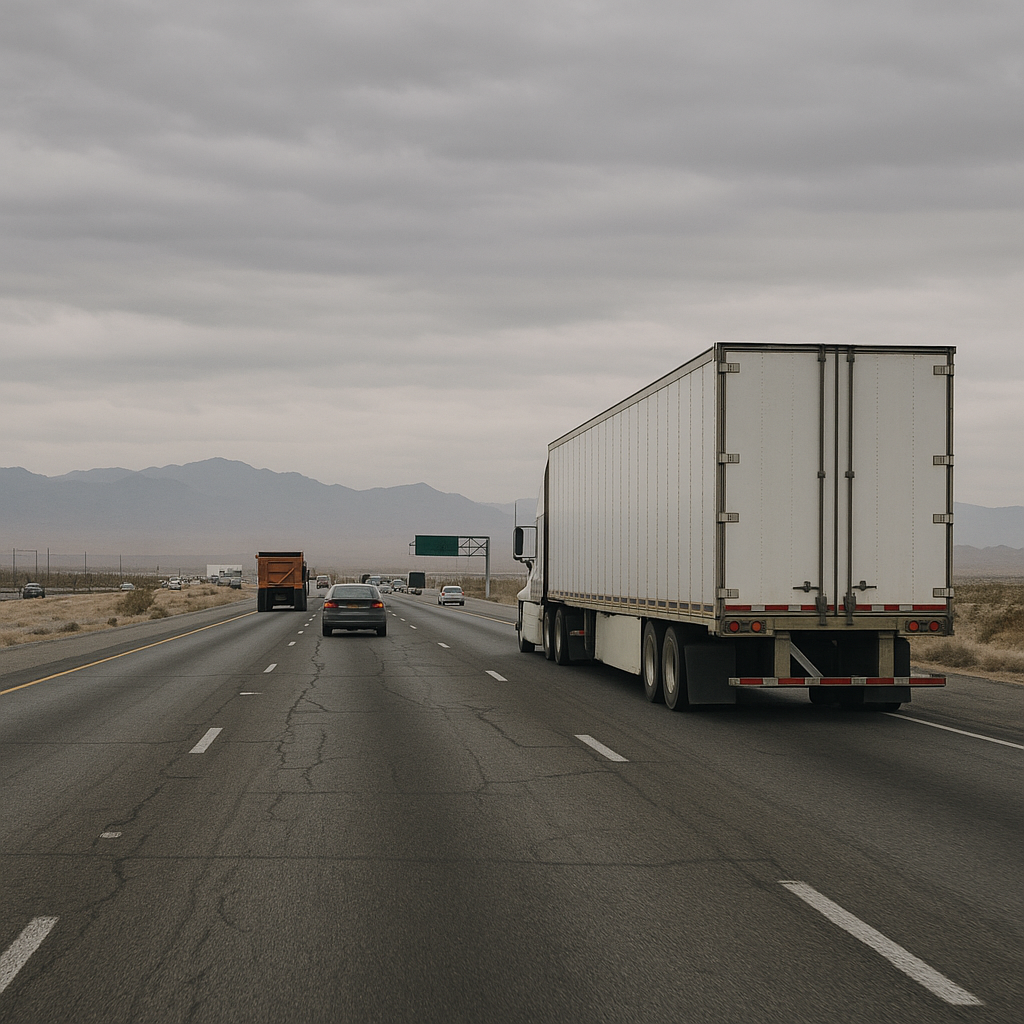
How Nevada Freight Traffic Influences Accident Trends
Overview of the Trend or Pattern
Nevada’s strategic location as a transportation crossroads significantly shapes its traffic patterns, particularly for freight movement. The state’s extensive system of highways, including key corridors like Interstate 15, Interstate 80, and U.S. Highway 93, supports a high volume of freight traffic transporting goods westward to California’s ports and eastward toward the central United States. This heavy flow of commercial vehicles has a notable impact on overall accident trends throughout the state.
Understanding how Nevada freight traffic influences accident trends is essential for policymakers, road safety advocates, and the general public alike. Commercial trucks, often larger and heavier than regular passenger vehicles, present unique challenges on the road. Their presence can contribute to a higher likelihood of collisions involving multiple vehicles, impact severity outcomes, and alter the nature of accidents in both urban hubs like Las Vegas and rural stretches across the state.
Recent years have seen Nevada experiencing a steady rise in freight traffic, driven by increased trade, e-commerce, and regional economic growth. This escalation has correlated with evolving patterns of traffic accidents, particularly on freight corridors. Analyzing these trends reveals recurring themes such as the role of heavy trucks in multi-vehicle crashes, increased risks during certain weather conditions, and a higher proportion of severe injuries and fatalities in freight-related collisions.
Common Factors Behind the Pattern
Several core factors help explain why Nevada freight traffic influences accident trends:
Heavy Vehicle Characteristics
Freight trucks vary in size and weight but significantly exceed those of most passenger cars. Trucks require longer distances to accelerate, decelerate, and maneuver, which can challenge both truck drivers and passenger vehicle operators sharing the road. For instance, situations such as sudden braking, merging, or lane-changing become critical points where collisions may occur.
Roadway Design and Freight Routes
Nevada’s highway system is designed to accommodate heavy freight traffic, but certain regions, especially mountainous areas and desert stretches, involve steep grades, sharp curves, and long, isolated road segments. These conditions can test truck handling and driver alertness. Furthermore, urban areas with dense traffic and frequent exits or merges lead to more points of conflict between freight and non-freight vehicles.
Driver Fatigue and Hours of Service
Long-haul truck drivers often face demanding schedules, frequently driving extended hours over vast distances. While regulatory measures such as the Federal Motor Carrier Safety Administration’s Hours of Service rules aim to mitigate fatigue, driver exhaustion remains a risk factor impacting driver performance and reaction time, contributing to both collision frequency and severity.
Interaction with Passenger Vehicles
Most freight accidents in Nevada involve a mix of truck and passenger vehicles. Passenger drivers might underestimate the speed or stopping capabilities of trucks or engage in risky maneuvers like cutting in front of trucks or following too closely. Conversely, truck drivers sometimes struggle to anticipate sudden passenger vehicle movements. These interaction dynamics contribute heavily to accident occurrences.
Environmental and Weather Conditions
Nevada’s climate ranges from high desert heat to sudden snowstorms in mountainous zones. Weather-related visibility changes, slick roads, and gusty winds especially challenge truck stability. Freight traffic accidents frequently spike during adverse weather events, where heavy vehicles are less forgiving to errors or hazardous conditions.
Why Severity May Be Higher in Nevada Conditions
Nevada freight traffic influences accident trends not only by affecting crash frequency but also by increasing crash severity. There are several reasons why collisions involving freight vehicles in Nevada tend to result in more serious injuries or fatalities compared to passenger vehicle-only crashes.
Vehicle Mass and Momentum
The sheer mass of large freight trucks translates to greater kinetic energy during a collision, which amplifies the forces exerted on all vehicles involved. Passenger cars struck by heavy trucks are at greater risk of severe structural damage, making occupant injuries more likely and often more severe.
High-Speed Travel on Open Roads
Many Nevada freight routes consist of long stretches of open highway where vehicles, including heavy trucks, frequently maintain high speeds. High-speed crashes dramatically increase the chances of severe outcomes. In rural areas, emergency response times may also be longer, compounding the risk of fatality or serious injury post-crash.
Limited Escape Maneuvers
Freight trucks are constrained by their size, limiting evasive maneuvers during sudden or hazardous driving situations. In Nevada’s mountainous or desert highway segments, road shoulders may be narrow or uneven, reducing options for trucks to avoid collisions altogether. These conditions can turn relatively minor incidents into serious crashes.
Mix of Urban and Rural Environments
While urban freight routes in Las Vegas or Reno face dense traffic congestion, rural routes often involve higher speeds and less infrastructure. The differing environments present unique risks—urban intersections see more side-impact and rear-end crashes involving trucks, while rural routes are prone to run-off-road or rollover crashes with higher injury severity.
How Patterns Change Over Time
Freight traffic and accident trends in Nevada have evolved alongside economic growth, infrastructure development, and regulatory changes. Several noteworthy patterns illustrate these changes over recent decades:
Increasing Freight Volume
As Nevada’s economy expanded, fueled by tourism, logistics, and retail sectors, freight traffic increased substantially. This growth has led to heavier truck volumes on many state highways, intensifying interaction points with passenger vehicles and raising the base rate of freight-involved accidents.
Improved Safety Regulations and Technology
Advancements such as electronic logging devices (ELDs), mandatory rest periods, and sophisticated onboard driver-assistance systems have helped curb driver fatigue and improve vehicle control. These measures have contributed to stabilizing or reducing accident rates despite increasing traffic volumes in some corridors.
Infrastructure Enhancements
Nevada has invested in widening highways, improving signage, and adding safety ramps and rest areas targeted toward freight vehicles. These infrastructure improvements have altered accident patterns by reducing bottlenecks, enhancing driver awareness, and providing safer pull-off zones for emergency stops.
Seasonal and Economic Fluctuations
Freight traffic, and thus accident trends, can vary seasonally and with economic cycles. Peak shipping seasons, such as the holiday period, see spikes in both truck traffic and related crashes. Economic downturns can temporarily reduce freight volumes, while booms can exacerbate traffic congestion and accident risks.
Emerging Trends in Freight Transportation
The rise of e-commerce and last-mile delivery has diversified freight movement beyond traditional long-haul trucks to include smaller commercial vehicles and delivery vans. While these vehicles generally pose less severe crash risks than semis, their increasing numbers contribute further to traffic complexity and accident dynamics.
Neutral Closing Paragraph
Nevada freight traffic influences accident trends through a complex interplay of vehicle characteristics, roadway conditions, driver behavior, and environmental factors. While the presence of heavy commercial vehicles introduces unique challenges, ongoing efforts in safety regulation, infrastructure improvement, and technological innovation work to manage risks and enhance road safety. Understanding how freight traffic shapes accident patterns is crucial for continued progress in protecting all motorists on Nevada’s highways, ensuring that the state’s vital freight corridors remain both efficient and safe in the years to come.