How Nevada Responds to Truck Crashes Involving School Buses
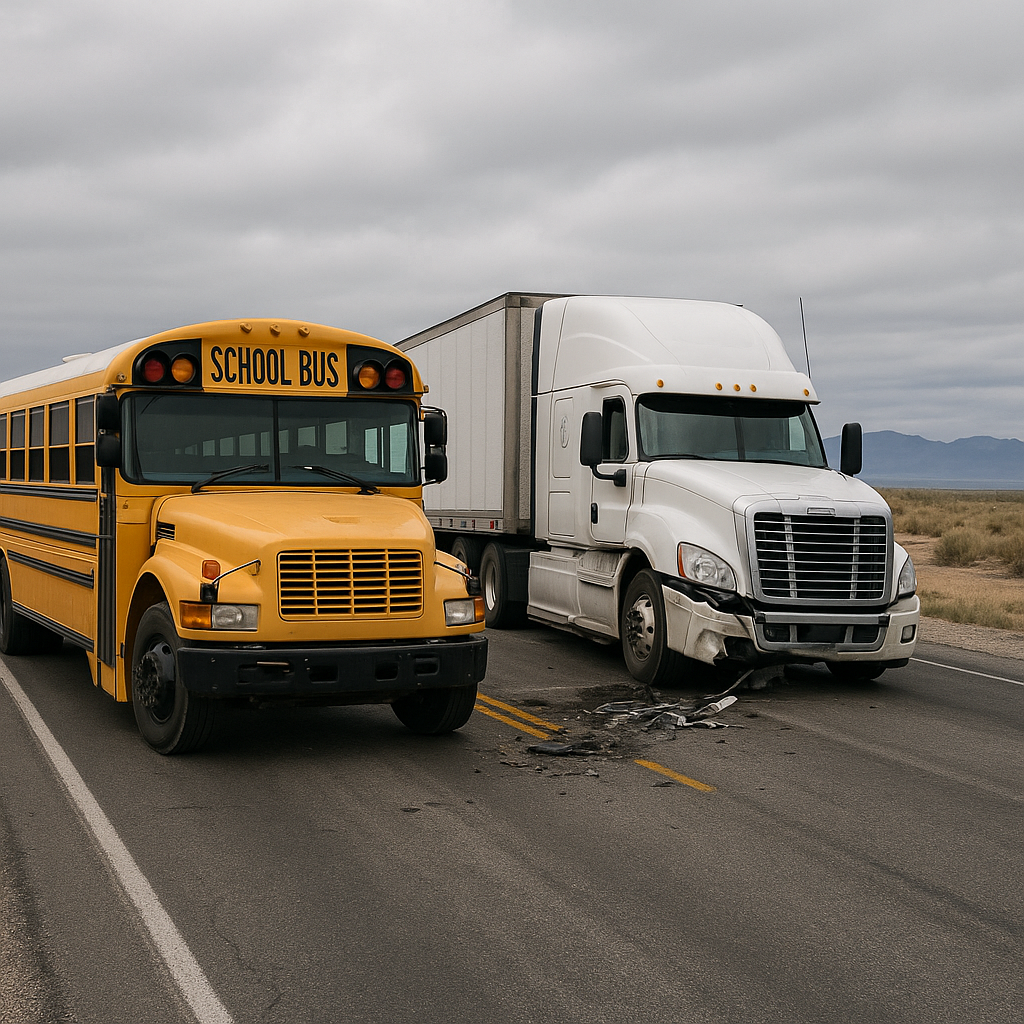
Truck crashes involving school buses represent a particularly alarming subset of road accidents, given the potential for severe injury and heightened public concern. In Nevada, incidents involving these large vehicles prompt immediate and multifaceted responses from various agencies, all operating within structured protocols designed for maximum safety and accountability. For families, school personnel, and members of the public, understanding how Nevada responds to truck crashes involving school buses can offer both reassurance and clarity about the systems in place to protect students and ensure thorough investigations.
Overview of Crash Response and Reporting Systems in Nevada
Nevada maintains a comprehensive approach to traffic safety, especially concerning vulnerable groups like school-aged children. When a truck crash involving a school bus occurs, a highly-coordinated network involving law enforcement, educational authorities, and state transportation agencies is activated. The response system is shaped by federal transportation mandates, Nevada Revised Statutes, and best-practice models for crisis management in educational settings.
Nevada’s Department of Public Safety, together with the Office of Traffic Safety, outlines safety protocols and reporting measures, which are complemented by procedures within school districts and by bus operating contractors. The goal is to ensure immediate care for anyone affected, collect accurate information, and instigate prompt investigations to determine causes and future preventive actions.
One central feature of Nevada’s response is the obligation to protect all involved parties, particularly students. Priorities include guaranteeing medical attention, securing the crash scene, and preventing secondary collisions. Simultaneously, cooperation between school officials, law enforcement, and emergency responders ensures critical information is documented and communicated in a timely manner.
Common Agencies and Reporting Steps
Crashes involving commercial trucks and school buses trigger an almost automatic engagement of several specialized agencies in Nevada, with each assigned distinct, but often overlapping, responsibilities.
Law Enforcement: Generally, the local police department or the Nevada Highway Patrol (NHP) is the first to respond to and secure the scene. Their duties include managing traffic flow, ensuring the safety of students and other individuals, and beginning the initial documentation of the incident.
Emergency Medical Services (EMS): Paramedics and medical personnel evaluate and treat injuries on site. Coordination with local hospitals is initiated if further medical attention is necessary.
School District Transportation Officials: School district transportation departments manage the operational side of school bus service, including working with law enforcement, parents, and school administrators in the wake of a crash.
Nevada Department of Motor Vehicles (DMV) and Department of Education: For more serious crashes, official reports are filed with these agencies, especially if there are notable injuries or fatalities, or extensive property damage. The DMV uses these reports for statistical analyses and to inform regulatory changes.
Commercial Trucking Regulation Agencies: The Nevada Transportation Authority and Federal Motor Carrier Safety Administration (FMCSA) may become involved when commercial trucking companies and their drivers are subjects of investigation or review.
During the response, school district officials often dispatch additional buses to transport uninjured students or arrange for them to be picked up by their guardians. Information dissemination to parents and guardians is typically prioritized, with designated communication officers or district representatives providing updates.
Documentation Typically Involved
Thorough documentation is critical in the state’s response to truck crashes involving school buses. Reports and records play a central role in investigations and in shaping preventive measures for future incidents.
Crash Reports: Law enforcement agencies complete official crash reports that include diagrams of the scene, narratives of events, information about road conditions, weather, time of day, vehicle details, and witness statements.
Passenger and Injury Logs: School bus drivers, often as part of their regular protocols, maintain rosters of students. During a crash response, these lists are used to verify student identities and check on their health status, aiding communication with families and first responders.
Medical Evaluations: EMS personnel record their assessments, including the type and severity of injuries, which hospital a student was transported to (if applicable), and treatment provided. These records are critical for both care continuity and later evaluations of the accident’s impact.
Investigation Summaries: In cases where a severe crash prompts a broader inquiry, such as when hazardous materials are involved or there are questions about vehicle maintenance, special investigative reports are prepared. These may involve technical reviews of bus and truck maintenance records, drivers’ licensing status, hours of service logs, and any available video surveillance footage from inside the school bus.
Communication Logs: School districts maintain documentation of communications with parents, media, and internal stakeholders. These records help ensure that information is consistent, accurate, and provided in a timely manner.
Common Reporting Misunderstandings
Despite Nevada’s developed systems and clear regulatory requirements, misunderstandings about crash reporting still occur. Some families believe that reporting is optional, or that only those directly involved in the crash must take action. However, in Nevada, the obligation to report is defined by circumstance, particularly when injuries, deaths, or significant property damage occur.
Another area of confusion relates to the roles of each agency. Parents may expect instant updates or feel uncertain about which authority is responsible for investigation and which is responsible for student care or transportation. While law enforcement handles the official crash scene investigation, the school district remains the central point for coordination with families.
Additionally, there is sometimes a misconception regarding the privacy of records. Not all documentation produced after such incidents is available for public or parental inspection, as certain reports are restricted to protect the identities and privacy of minors or pertain to ongoing investigations.
The timely flow of information is also commonly misunderstood. Notifications to parents are prioritized, but details may be limited at first as school and law enforcement officials verify information. This step is designed to prevent the spread of rumors or misinformation that can elevate anxiety unnecessarily.
Neutral Closing Paragraph
Nevada’s approach to truck crashes involving school buses is characterized by systematic coordination between multiple agencies, robust procedures for reporting and documentation, and an emphasis on student safety. While the experience of such an incident is undoubtedly stressful for all involved, understanding the state’s structured response provides insight into how Nevada responds to truck crashes involving school buses. These established protocols continuously evolve as agencies learn from each incident, all in the shared interest of safeguarding Nevada’s students on their daily journeys.