
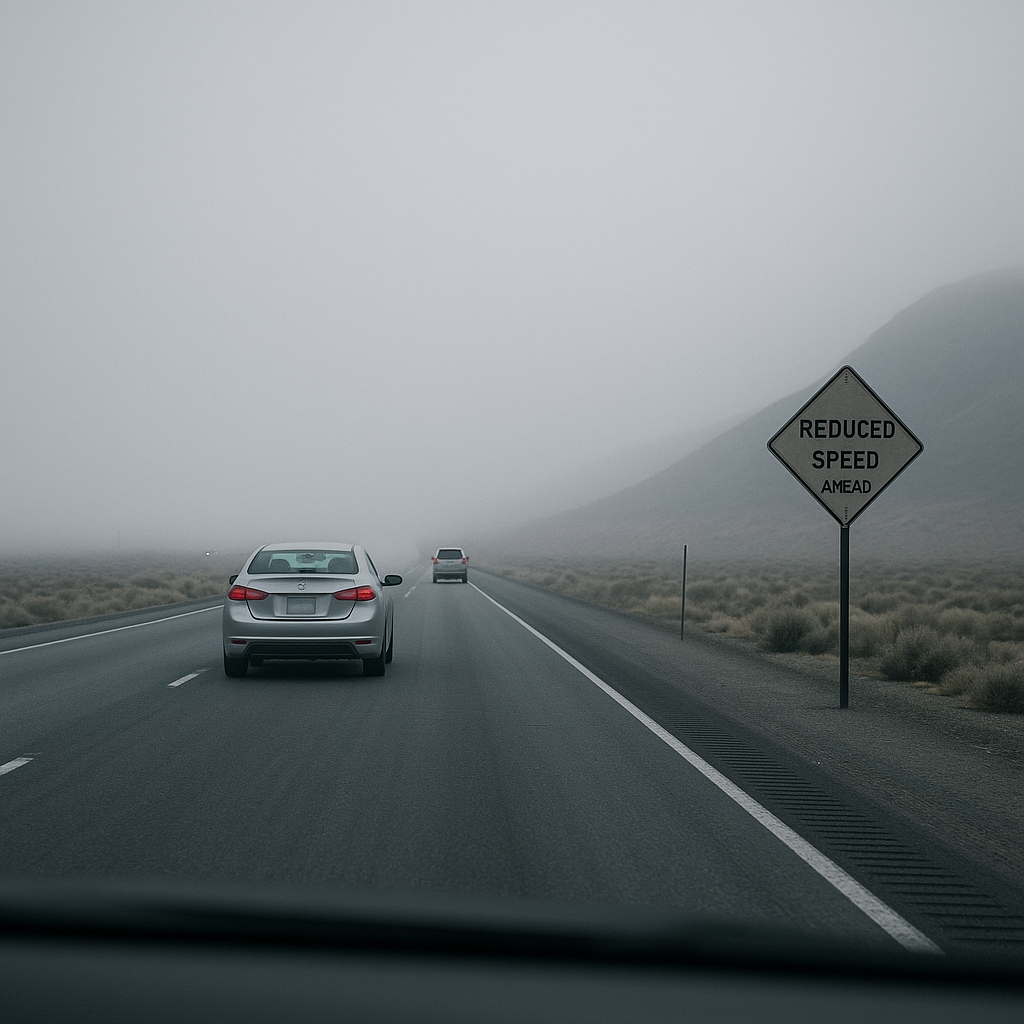
How Nevada Visibility Impacts Safe Following Distance
Nevada’s striking landscape, from the dry deserts of the south to the mountainous regions up north, offers more than just dramatic scenery. The state’s unique weather patterns and environmental conditions significantly impact drivers’ visibility and, in turn, affect how safely vehicles can follow one another on the road. Understanding how Nevada visibility impacts safe following distance is vital for anyone who travels the Silver State’s highways—especially given the diverse and sometimes unpredictable conditions.
Overview of Nevada’s Visibility Challenges
From swirling dust storms in the valleys to thick fog blanketing northern highways and sudden downpours during summer monsoons, Nevada’s wide-open spaces can easily mask hazards. Visibility on the roads can change within minutes, impacting a driver’s ability to assess how close they are to the vehicle ahead.
Common Visibility Challenges in Nevada:
– Dust storms: Often occurring in the southern deserts and during high winds, blowing dust can quickly reduce visibility to near zero.
– Fog: Early mornings in Northern Nevada and certain basins often start with thick fog, especially in the cooler months.
– Rain showers and thunderstorms: While Nevada is the driest state in the U.S., sudden storms—especially during the late summer monsoon season—can bring blinding rain.
– Glare: Bright sunlight against pale desert sands can cause intense glare, making it harder to distinguish the distance between cars and trucks.
– Winter weather: Snow and ice are commonplace in northern and high-altitude areas, creating icy windshields and throwing up spray from other vehicles.
Each of these elements forces drivers to make rapid and smart adjustments to their following distance to stay safe.
How This Condition Affects Trucks Differently Than Cars
When visibility drops, the stakes are especially high for larger vehicles like trucks. The way Nevada visibility impacts safe following distance is particularly pronounced for trucks due to their considerable size and different dynamics on the road.
Increased Stopping Distance
Trucks require a much longer distance to stop compared to passenger vehicles. Under clear conditions, a fully loaded semi-truck traveling at highway speeds may need twice or more the stopping distance of a car. When visibility is reduced—whether by dust, fog, or rain—drivers lose precious reaction time to see a hazard or a slowing vehicle ahead. For trucks, this means the safe following distance must be dramatically increased.
Limited Maneuverability
Trucks don’t just need more room to stop; they also need more space to maneuver. With Nevada’s sudden visibility shifts, truck drivers may have little warning of stopped traffic, obstacles, or slowdowns in the road ahead. If they are following too closely, there may simply not be enough space or time to avoid a collision—especially given the vehicle’s larger mass and slower steering response.
Elevation and Weight Shifts
Nevada’s roads can be steep, especially in mountainous areas outside Reno, Carson City, or Elko. Heavy loads moving downhill—compounded by limited visibility—can further decrease a truck’s ability to stop quickly. Safe following distances must account not only for the loss of sight but also for gravitational momentum.
Summary for Trucks
The bottom line: Reduced visibility conditions in Nevada require truck drivers to be even more conservative in their following distances compared to drivers of passenger vehicles. This allows for more reaction time, safer stops, and decreases the likelihood of severe crashes.
Why Crashes Can Become Severe Under These Conditions
Reduced visibility often leads to an increase in the severity of accidents. Here’s why Nevada visibility impacts safe following distance—and why the ramifications can be significant:
Chain Reaction Collisions
When visibility drops suddenly (such as during a dust storm or heavy fog), vehicles may not see stopped traffic ahead until the last moment. If one car brakes abruptly, it may be quickly struck from behind by another traveler who simply couldn’t see it—and the situation can escalate to involve multiple vehicles in a chain reaction pile-up. Nevada has seen such crashes, especially along I-15 and I-80 during severe visibility events.
Higher Speeds
Stretching for miles without urban interruptions, much of Nevada’s highway system tempts drivers to travel at or above speed limits. In low visibility, it can be difficult to recognize when reduced speed and increased following distance are necessary. That means when a crash occurs under these conditions, the speed involved often results in more severe injuries and greater damage.
Delayed Emergency Response
In rural Nevada, help may not be just minutes away. Severe weather or low-visibility situations may delay emergency services. Pileups in difficult-to-reach regions or during ongoing storms can stretch response times, increasing risks to those involved.
Dangerous Roadside Hazards
Impaired visibility can conceal not only other vehicles but also roadside hazards—like wildlife crossing, debris, or even vehicles stopped on the shoulder. These unseen hazards, when combined with insufficient following distance, can result in collisions that are more severe than in clear conditions.
Psychological Factors
Drivers feeling “boxed in” by the inability to see clearly may react unpredictably—slamming on brakes, swerving, or making abrupt lane changes. Panic responses in poor visibility can turn minor traffic adjustments into major accidents, especially when vehicles are following too closely.
Common Seasonal Patterns in Nevada
Understanding when and where visibility is most likely to be reduced helps drivers plan safer trips and maintain proper following distance.
Spring and Summer
– Dust Storms: The late spring and summer months, especially following dry winters, can lead to intense dust storms. These are most common in southern and central Nevada, particularly along U.S. 95 and I-15.
– Thunderstorms and Flash Floods: From July through September, the monsoon season sweeps up from the south, bringing rapid changes in visibility due to heavy, isolated rain showers.
Fall
– Fog: After hot days and cool nights, especially in the early fall, northern valleys such as those near Fallon and Winnemucca often experience thick early morning fog.
– Decreasing Daylight: Shorter days mean more drivers are on the road during dusk, dawn, and darkness—when visibility is naturally reduced.
Winter
– Snow and Blowing Snow: Northeastern Nevada, including Elko and Ely, faces snowy conditions from late fall into spring. Blowing snow and ice create hazards alongside reduced visibility.
– Low Sun Angles: Winter sun sits low, causing blinding glare during the morning and evening commutes, especially heading east or west.
Year-Round
– Glare: The desert sun reflects off sand and pavement all year, leading to glare, even on clear days.
– Wildlife Movements: Dawn and dusk high activity for wildlife—especially deer, antelope, and wild horses—increases sudden hazard appearances on highways.
Safe Following Distance: Adapt with Nevada’s Changing Conditions
While Nevada’s expansive views and open skies can offer wide visibility, that can change in minutes. Understanding how Nevada visibility impacts safe following distance is essential whether you drive a passenger vehicle or a commercial truck. By recognizing and adapting to Nevada’s unique and seasonal visibility challenges, drivers can reduce risks for themselves and everyone on the road.
Remember: Always adjust your following distance to the conditions at hand. If visibility drops, increase your distance, lower your speed, and be prepared for the unexpected. With a little awareness and caution, navigating Nevada’s highways can remain as safe as it is breathtaking.