
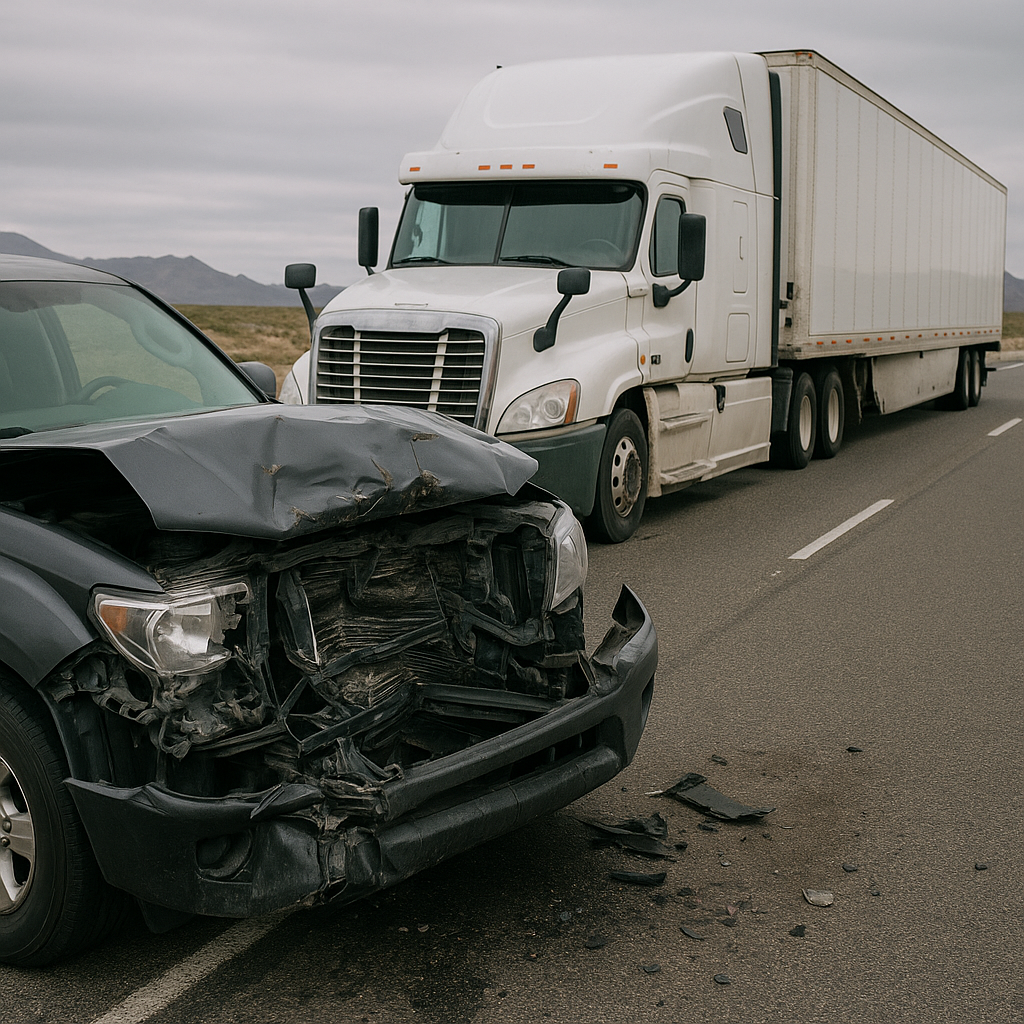
How to Identify Dangerous Nevada Truck Crash Patterns
Overview of the Trend or Pattern
Truck crashes are a significant safety concern in Nevada, a state characterized by its expansive highways, desert landscapes, and dynamic urban centers such as Las Vegas and Reno. Identifying dangerous Nevada truck crash patterns is essential for improving road safety, supporting transportation planning, and raising public awareness about risks associated with commercial vehicle operations.
Nevada’s unique geography and transportation network create specific challenges in understanding truck crash trends. The state’s role as a major logistical hub in the western United States influences truck traffic volume and composition. Interstate highways like I-15 and I-80 are major corridors for freight movement, increasing the exposure of trucks to complex driving environments. Consequently, crashes involving commercial trucks often exhibit patterns tied to location, timing, vehicle behavior, and environmental conditions.
Analyzing crash data reveals recurring themes that highlight common risks, such as collisions at freight corridors during peak traffic periods or weather-related incidents in mountainous regions. Recognizing these patterns helps authorities, drivers, and communities to proactively address hazards.
Common Factors Behind the Pattern
When seeking to identify dangerous Nevada truck crash patterns, several contributing factors commonly emerge. Understanding these elements helps to clarify why certain crashes occur more frequently and with greater severity.
1. Highway and Roadway Characteristics
Nevada’s highways vary from wide-open rural stretches to congested urban freeways. Dangerous crash clusters often occur at transition points where traffic volume changes abruptly or where multiple vehicle types converge — such as near freight terminals or highway interchanges. Sharp curves, steep grades (notably on mountain passes like the Sierra Nevada routes), and narrow lanes exacerbate risk, especially for large trucks.
2. Driver Fatigue and Long Hauls
Nevada’s central location along cross-country freight routes means many truck drivers are on long-haul trips passing through the state. Fatigue is a well-documented risk factor, reducing reaction time and decision-making ability. Patterns of crashes during early morning hours or late at night often indicate driver tiredness as a contributing element.
3. Weather and Environmental Conditions
Desert heat, sudden dust storms, and winter snow at higher elevations all affect driving conditions in Nevada. Reduced visibility during dust storms or icy patches on mountain roads can lead to loss of truck control. These weather events contribute to identifiable seasonal crash peaks, with incidents often clustered in specific areas prone to sudden environmental changes.
4. Speeding and Unsafe Maneuvers
Large trucks have longer stopping distances and different handling dynamics than passenger vehicles. Speeding or trying unsafe maneuvers such as abrupt lane changes or tailgating can lead to catastrophic crashes. Data frequently points to areas where speed limits increase or decrease unexpectedly as hotspots for truck-involved collisions.
5. Urban vs. Rural Differences
The nature of trucking crashes varies across Nevada’s urban and rural zones. In urban settings like Las Vegas, truck crashes are often tied to congestion, mixed traffic, and complex intersections. Rural incidents tend to involve higher speeds but less congestion, with rollover crashes or impacts with roadside objects more common. These distinctions create discernible spatial patterns when analyzing crash statistics.
Why Severity May Be Higher in Nevada Conditions
Truck crashes in Nevada can result in more severe outcomes compared to some other states due to several interrelated factors.
1. Geographic Isolation and Emergency Response
Many truck crash sites, especially in rural Nevada, are located in isolated stretches far from trauma centers and emergency resources. The time lag in emergency response can increase the severity of injuries sustained by truck drivers, passengers, or other motorists involved.
2. Extreme Weather and Road Surface Issues
The desert climate subjects roads to thermal expansion, causing surface cracks, and prolonged exposure to sun can degrade asphalt quality. In winter, mountainous areas can experience sudden temperature swings causing icy roads. These challenging road conditions increase the likelihood of truck rollovers and skidding incidents, which tend to be more severe.
3. High-Speed Corridors
Interstate highways like I-15 see trucks traveling at high speeds, heightening the potential damage from collisions. The kinetic energy involved in these crashes drives up severity, with multi-vehicle pileups more probable on these fast-moving corridors.
4. Vehicle Load and Size
Trucks operating in Nevada often carry heavy or oversized loads. When these loads shift or are improperly secured, the chance of a loss of stability increases. Crashes involving loaded trucks usually lead to more significant property damage and physical harm due to the mass involved.
5. Limited Alternative Routes
In certain parts of Nevada, highway options are limited. If a truck crashes and blocks the road, rerouting is difficult and emergency services may have trouble accessing crash sites promptly. This logistical challenge heightens the consequences of truck crashes.
How Patterns Change Over Time
Truck crash patterns are not static; they evolve influenced by changes in infrastructure, regulation, technology, traffic volume, and behavioral trends.
1. Infrastructure Improvements
As Nevada invests in upgrading roads—such as adding truck climbing lanes on steep grades or improving interchange design—crash patterns shift. Dangerous curve-related crashes may decline, while crashes related to merging traffic might increase if traffic mix expands.
2. Regulatory Changes and Enforcement
Updates to driving hours regulations or trucking industry safety protocols affect when and where crashes occur. Enhanced enforcement of speed limits or seatbelt use can reduce some crash types, often observable in long-term data trends.
3. Technological Advancements
The growing use of advanced driver-assistance systems (ADAS) like collision avoidance and electronic stability control is beginning to influence crash patterns. While these technologies can reduce certain crash types, understanding their impact requires continual monitoring.
4. Economic Factors and Freight Demand
Economic booms or downturns influence freight traffic volume. Increased construction, mining, or commercial activity in Nevada leads to higher truck volumes, potentially raising crash frequencies in affected regions. Conversely, periods of reduced demand may see fewer crashes but could still show persistent risk hotspots.
5. Behavioral Changes
Societal shifts, such as increased distracted driving awareness or shifts in driver demographics, alter crash risk profiles. COVID-19 pandemic-related changes in traffic patterns, for example, affected crash rates nationwide, including Nevada, underscoring how broader social trends interact with crash data.
Neutral Closing Paragraph
Understanding how to identify dangerous Nevada truck crash patterns is a multifaceted effort requiring careful analysis of geographic, environmental, and behavioral variables. While the state faces unique challenges related to its terrain, climate, and transportation role, recognizing common factors and how patterns evolve over time paves the way toward better safety strategies. For drivers, planners, and policymakers alike, continued awareness and study of these patterns remain crucial to fostering safer roadways across Nevada’s highways and byways.