
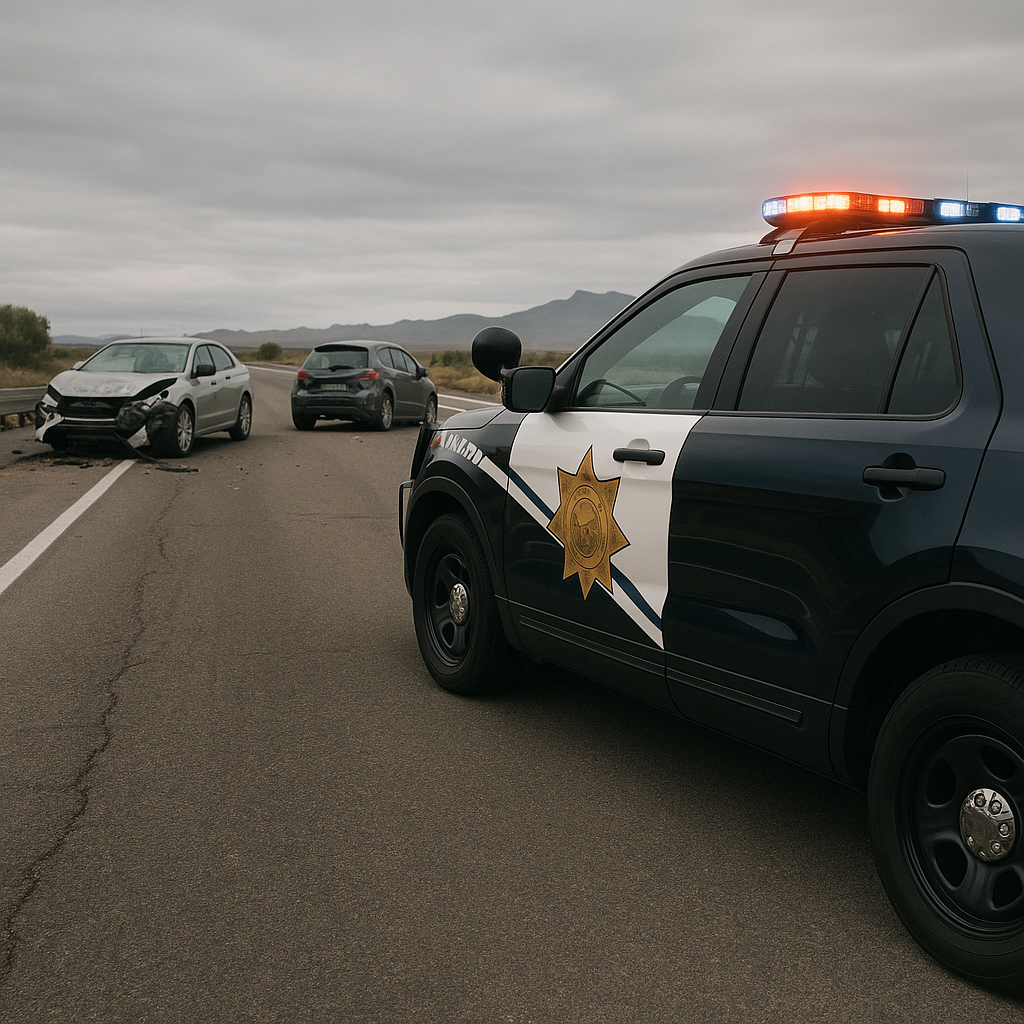
How to Request a Nevada Highway Patrol Crash Report
Nevada highways see millions of miles driven annually, making traffic accidents an unfortunate—but not uncommon—occurrence. Whether you are a driver, passenger, insurance adjuster, or legal professional, there may come a time when you need to request a Nevada Highway Patrol crash report. Understanding how crash reports are generated, which agencies are involved, and what documentation is typically required will help make the process go smoothly. This article guides you through Nevada’s crash response and reporting systems, clarifies common misunderstandings, and outlines the important details everyone should know before seeking a crash report from the Nevada Highway Patrol.
Overview of Crash Response and Reporting Systems in Nevada
When a traffic accident occurs in Nevada, response and reporting procedures are managed by a network of law enforcement agencies and administrative entities. The Nevada Highway Patrol (NHP), a division of the Nevada State Police, serves as the primary highway patrol unit outside of municipal jurisdictions. Within cities, local police departments usually respond to and document crashes. In rural areas or on state-managed highways, NHP is often the leading authority responding to incidents and preparing official crash reports.
Crash reports—formally called Traffic Crash Reports or “SR1” reports—play an essential role in post-accident procedures. These documents are the primary official record of the incident, documenting the circumstances, parties involved, visible damages, and preliminary officer assessments. Such reports may be requested later by individuals, insurers, attorneys, or other stakeholders. The Nevada Department of Public Safety maintains an organized system for the public and authorized parties to request and retrieve these records.
Common Agencies and Reporting Steps (Educational)
The landscape of crash reporting in Nevada centers on multiple agencies, each serving a distinct jurisdiction:
– Nevada Highway Patrol (NHP): Handles crashes on interstate highways, state-maintained roads, and rural areas outside city limits.
– Local Police Departments: Responsible for accidents within city boundaries (e.g., Las Vegas Metropolitan Police Department).
– County Sheriff’s Offices: Manage incidents in some rural or unincorporated regions not directly covered by NHP.
Once a collision occurs, law enforcement officers responding to the scene will gather information from all parties involved, record vehicle details, note road and weather conditions, and generate an initial crash report. These reports are reviewed and filed with the appropriate agency’s records division. In some cases, involved parties may also be required to complete supplemental forms, especially for accidents involving injuries, fatalities, or substantial property damage.
The process to request a Nevada Highway Patrol crash report differs slightly from other law enforcement bodies, but all are required to keep these records archived for a set period as per state policy. Requests are generally submitted online, by mail, or even in person, though the channels and policies may undergo changes over time.
Documentation Typically Involved
Successfully requesting a Nevada Highway Patrol crash report typically involves providing certain key details and, in some cases, supporting documentation. Here’s what requesters can expect:
– Incident Information: The date, time, and location of the crash are crucial for locating the appropriate report. If available, the official report number (provided to involved parties at the scene) significantly speeds up the process.
– Involved Parties: Full names of drivers, passengers, or vehicle owners involved are often required, along with driver’s license numbers and vehicle registration details if available.
– Proof of Involvement or Legal Interest: To comply with privacy and public records regulations, agencies may request proof that the individual requesting the report was a party in the crash, a legal guardian, or an agent (such as an attorney or insurer) with legitimate interest in the case.
– Government-Issued Identification: A valid ID may be required, especially if the report contains sensitive personal information or is not considered a public record under Nevada law.
– Fees: Retrieving crash reports typically incurs a modest administrative fee, payable via specified methods depending on the agency and request channel.
It’s important to note that while most basic crash reports become accessible to involved parties and their representatives, certain information may be redacted to comply with privacy laws or protect ongoing investigations.
Common Reporting Misunderstandings
Many people seeking to request a Nevada Highway Patrol crash report encounter confusion or frustration due to common misconceptions about the process. Clarifying these misunderstandings can prevent unnecessary delays and help set realistic expectations:
– Not All Accidents Generate Formal Reports: Minor incidents with low damages or those not reported to law enforcement may not result in an official crash report on file.
– Jurisdiction Matters: Some mistakenly believe all highway accidents fall under NHP, but if the collision happened within city limits, a local police department likely holds the report. Double-checking the responding agency prevents misdirected requests.
– Reports Are Not Always Immediately Available: There can be a lag of days or even weeks between the accident and the finalization of an official crash report. This time allows for officer review, potential corrections, and submission to agency records systems.
– Privacy Protections: Those uninvolved in the accident—even if they know the date and location—may be limited in accessing the full, unredacted report due to privacy statutes.
– Fees and Access Limitations: Expecting instant, free, public access can lead to frustration. Agencies must recover processing costs and comply with state public records laws.
Neutral Closing Paragraph
Navigating Nevada’s crash report system can feel complex, but understanding the structure and purpose behind each step helps individuals more efficiently obtain the documentation they need. From knowing which agency responded to the accident to providing the right identification and details, being informed is key to avoiding unnecessary obstacles. Whether you are an involved party, an insurer, or a legal representative, a clear understanding of the process enables you to confidently request a Nevada Highway Patrol crash report when necessary. As always, keeping records organized and approaching the request with patience will help ensure a smooth experience.