
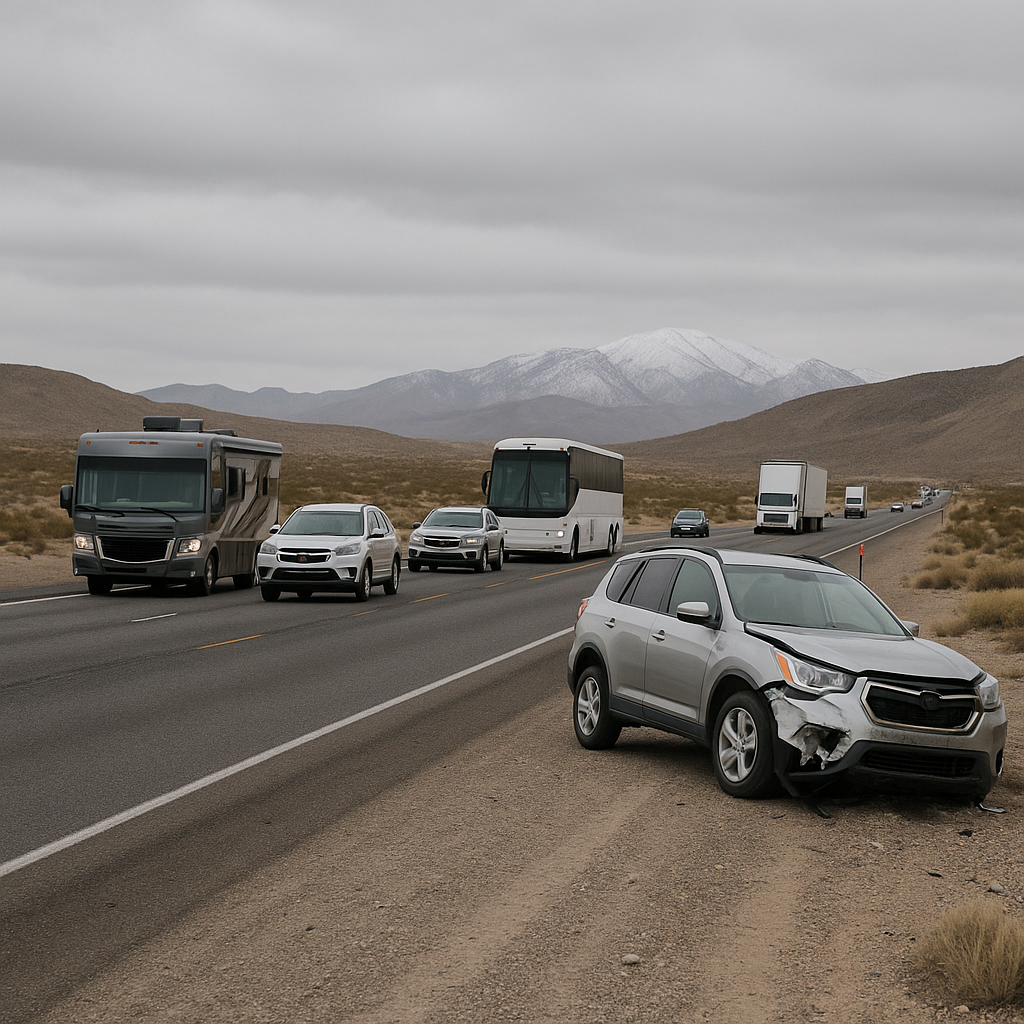
How Tourist Traffic Interacts with Nevada Road Conditions
Nevada stands as one of the country’s most iconic travel destinations, home to the bright lights of Las Vegas, the scenic wonders of Lake Tahoe, and countless historic landmarks across its desert expanse. Each year, millions of visitors hit the state’s highways and byways, making “tourist traffic Nevada road conditions” a topic of critical importance. From unpredictable weather to unique roadway challenges, the interaction between out-of-town motorists and Nevada’s varied roads shapes the safety and flow of transportation throughout the Silver State.
Overview of Nevada Weather and Road Condition Factors
Nevada’s vast landscape includes everything from arid deserts to snow-capped mountains. Each region presents its own set of road conditions, exacerbated at times by a range of weather events. In Southern Nevada, particularly Las Vegas, high temperatures during the summer months can cause asphalt to become slick with melting tar, impact tire traction, and strain vehicle cooling systems. In northern and central regions, travelers may encounter snow, ice, and even flash flooding—especially on rural highways and mountain passes around Lake Tahoe, Reno, and Ely.
Another key consideration is the state’s mix of urban and rural routes. Major thoroughfares like Interstate 15 and U.S. Highway 50 (“The Loneliest Road in America”) see massive swings in traffic volume, especially during major events or holiday weekends. Many stretches are remote, with limited services and often minimal roadway lighting. Tourists unfamiliar with these conditions may face unexpected hazards such as wildlife crossings, abrupt weather changes, or poorly marked curves.
Nevada’s Department of Transportation (NDOT) continually updates drivers on closures, construction, and traffic through message boards, apps, and websites. However, out-of-state visitors—especially those relying on GPS—may miss these crucial advisories, increasing the risk of encountering dangerous conditions.
How This Condition Affects Trucks Differently Than Cars
The mix of tourist-driven vehicles and commercial trucking shapes the unique dynamic of Nevada’s roadways. Truck traffic—comprised of both long-haul interstate deliveries and local supply vehicles—faces distinct challenges in Nevada. In harsh summer heat, truck brake and tire wear accelerate, making it more difficult for trucks to stop quickly. In mountainous or icy areas, long descent grades mean truck drivers must manage speed and brake use carefully to avoid losing control. Weight and size compound the problem, especially where wind gusts are frequent—as on U.S. 93 and parts of I-80.
For tourists piloting unfamiliar rental cars or RVs, limited knowledge of how to navigate around large trucks on Nevada’s roads can exacerbate risks. Tourists may underestimate blind spots or the space needed for trucks to maneuver, particularly on rural, two-lane highways or during sudden weather events. This interaction is even more pronounced in areas with limited passing zones or where visibility drops due to blowing dust or snowfall.
Why Crashes Can Become Severe Under These Conditions
When you combine unfamiliar drivers, rapidly changing weather, and mixed traffic types, the risk and severity of accidents rise significantly. Tourist drivers, unaccustomed to high-speed rural highways, may misjudge stopping distances or fail to adjust speed when weather changes suddenly. On Las Vegas’s congested freeways, distracted driving and lane changes by drivers not used to heavy traffic flow can easily result in multi-vehicle incidents.
In areas prone to flash flooding—common in southern Nevada—water can overtake desert highways with little warning. Tourists may attempt to drive through flooded sections without realizing the depth or risk, leading to cars getting stranded or swept away. On mountain roads in winter, black ice can catch both locals and visitors off-guard. However, travelers unfamiliar with such hazards may not recognize warning signs or may lack experience in vehicle control on slippery surfaces.
Crashes under these conditions frequently involve multiple vehicles and result in severe injuries or road closures, particularly when large trucks are involved. Emergency response times may be extended in rural areas, further compromising safety and outcomes for those involved in crashes.
Common Seasonal Patterns in Nevada
Tourist traffic Nevada road conditions are heavily influenced by seasonal patterns across the state:
Summer:
Las Vegas and southern Nevada experience extreme heat from June through September, regularly reaching temperatures above 100 degrees Fahrenheit. This can soften road surfaces, increase the frequency of tire blowouts, and stress vehicle engines. In the north, summer monsoon storms can produce flash floods, temporarily closing highways or washing debris onto the road.
Winter:
Northern Nevada sees regular snow and ice from November into March. Popular destinations near Lake Tahoe can receive several feet of snow, making travel challenging for those without snow tires or chains. Black ice and sudden snow squalls along I-80 or U.S. 395 can reduce visibility and road traction.
Spring and Fall:
These transitional seasons can bring unpredictable windstorms, especially common in central Nevada along U.S. 50 or U.S. 95. Blowing dust reduces visibility and creates slick spots, both of which can catch tourists off-guard. Wildlife activity is also highest during spring and fall, with deer crossings in rural and mountain areas posing another seasonal hazard.
Event Peaks:
Large-scale events, such as Las Vegas conventions, Burning Man in the Black Rock Desert, and Lake Tahoe ski season, trigger dramatic surges in tourist traffic. During these peaks, congestion, road wear, and the risk of crashes all rise, particularly on routes leading to and from event locations. NDOT often increases patrols and signage to help manage these fluxes.
Conclusion
Nevada’s unique blend of geography, weather, and tourist appeal means its roadways face a constant balancing act between local needs and the influx of out-of-state travelers. The interaction of tourist traffic with Nevada road conditions, from desert heat to mountain snow, creates challenges for both drivers and those responsible for road safety. By understanding these patterns and remaining alert to both seasonal hazards and local advisories, visitors and locals alike can help keep Nevada’s roads safer for all. Whether you’re planning a road trip across the Silver State or simply commuting to work, awareness remains the key to safe travel amid Nevada’s ever-changing road conditions.