How Tow Rotation Works for Semi Truck Crashes in Nevada
When a semi truck crash occurs on Nevada’s highways, a complex set of systems springs into action to ensure the safety of the public, the swift clearance of roadways, and the orderly handling of damaged vehicles. Among these, the process known as “tow rotation” plays a critical role in determining which towing company responds to the scene. For those unfamiliar, the concept of tow rotation is closely regulated, especially for large commercial vehicles like semi trucks, and is deeply integrated into Nevada’s crash response landscape. Understanding how tow rotation works for semi truck crashes in Nevada reveals much about the state’s commitment to fair business practices and efficient roadway management.
Overview of Crash Response and Reporting Systems in Nevada
Semi truck crashes present unique challenges on Nevada’s roads, often requiring specialized heavy-duty vehicles and coordinated responses. When such an incident occurs, the immediate priority is to provide medical aid, protect drivers and bystanders, and restore normal traffic flow as quickly as possible. Typically, the Nevada Highway Patrol (NHP) or local law enforcement is the primary responding agency, especially on interstate highways.
These agencies play a decisive role in initiating the crash response process. Upon receiving reports of a semi truck accident—via 911 calls, dispatch notifications, or roadside assistance platforms—officers are deployed to the scene. Their responsibilities include securing the crash site, assisting injured parties, directing traffic, and determining the need for specialized equipment such as hazardous materials teams or heavy-duty tow trucks.
Central to the incident management process is the incident reporting infrastructure. Law enforcement agencies use state-specific systems for documenting crash details, requesting support services, and logging the involvement of various service providers, including tow operators. This ensures accountability and traceability in all post-crash activities.
Common Agencies and Reporting Steps (Educational)
Several entities are routinely involved in the aftermath of a semi truck accident in Nevada, each with distinct responsibilities:
– Nevada Highway Patrol (NHP): As the primary responder on highways, the NHP manages the scene, coordinates rescue efforts, and relays requests for specific types of tow services.
– Local Police Departments: Within city limits, municipal officers may lead crash response and oversee reporting.
– Nevada Department of Transportation (NDOT): NDOT is often engaged for road closures, debris removal, and infrastructure assessment following severe crashes.
– Towing Companies: Only licensed operators, typically pre-approved by local authorities, participate in official tow rotations, especially for incidents involving commercial vehicles.
As part of the reporting process, responding officers evaluate the crash scene to determine whether the vehicles involved—including semi trucks—can be safely moved. If a heavy-duty tow is needed, officers initiate a request through dispatch.
The “rotation” aspect stems from a pre-established list of qualified towing companies maintained by law enforcement or public safety agencies. Rather than calling a specific provider repeatedly or allowing involved parties to select tow companies (which could delay response times or introduce favoritism), agencies follow a systematic rotation. This helps ensure all approved tow operators have an equal opportunity to serve and that the nearest, most appropriately equipped company is dispatched.
Documentation Typically Involved
Comprehensive documentation is an integral part of managing semi truck crashes and the tow rotation process in Nevada. Some of the typical paperwork and records generated include:
– Crash Reports: Officers complete standardized collision forms detailing the vehicles, drivers, conditions, and circumstances. These become part of public record and may be used by insurers, investigators, and regulatory agencies.
– Tow Authorizations: When a vehicle is towed from a crash scene, law enforcement issues a tow authorization or notice, specifying which company was dispatched from the rotation list and the time of request. This documentation provides a clear audit trail.
– Rotation Logs and Dispatch Records: Authorities track each instance of tow company dispatch, recording the order and frequency to maintain fairness and transparency in the rotation system.
– Operator Credentials: Towing companies and their drivers must maintain up-to-date licenses, insurance, and endorsements. These records are periodically reviewed to ensure ongoing compliance with state requirements for handling commercial vehicle recoveries.
The emphasis on documentation serves both accountability and public trust. Detailed records help verify that the tow rotation system functions fairly, clarify the chain of events during crash recovery, and protect the interests of both trucking companies and independent tow operators.
Common Reporting Misunderstandings
Despite the structured nature of crash response in Nevada, several misunderstandings are common—particularly regarding the tow rotation process for semi trucks:
– Mistaking Tow Rotation for Towing Choice: Some may believe that truck drivers, owners, or insurance companies can decide which tow company is called. In most crash scenarios involving major highways, the selection is handled exclusively through law enforcement rotation, except under special circumstances.
– Assuming Immediate Removal Liability: There is sometimes confusion over who is responsible for immediate roadside cleanup or secondary tows. While the initial removal is governed by rotation, further movements may be coordinated with insurance providers or fleet managers after the truck has been safely relocated.
– Confusion About Documentation Access: Parties involved in the crash may not always know how to obtain tow records, crash reports, or dispatch logs. Although these documents are kept as part of the official record, access may require formal requests.
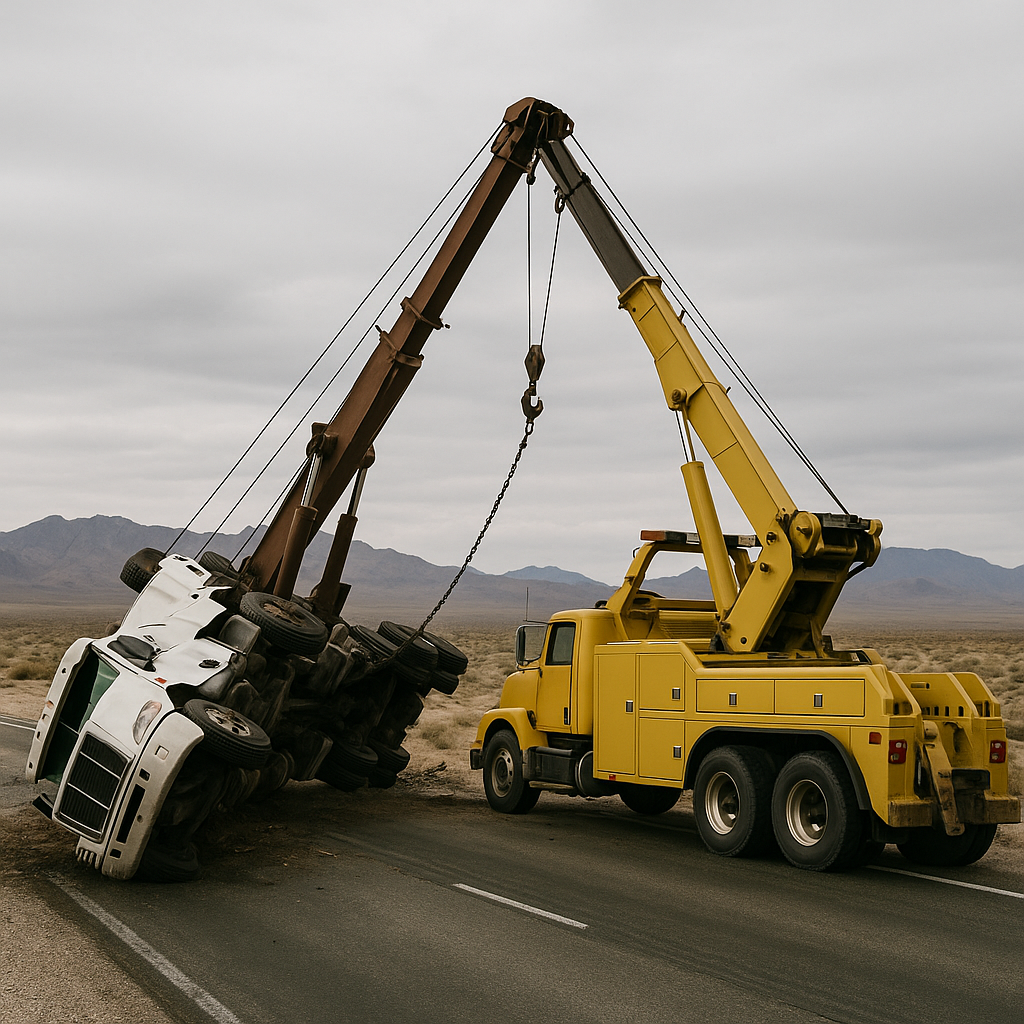
– Overlooking Specialized Equipment Needs: Not all tow companies are equipped for heavy-duty recoveries. The rotation system accounts for operator capabilities, but third parties might not realize that specialized equipment—like rotator tow trucks—limits which companies are next in rotation for semi truck incidents.
These misunderstandings often arise due to the stress of crash situations and the complexity of multi-agency response systems. Ongoing public education and clear communication from responding agencies help reduce confusion.
Neutral Closing Paragraph
Tow rotation for semi truck crashes in Nevada is a carefully managed process involving multiple agencies, rigorous documentation, and regulated business practices. Understanding how tow rotation works for semi truck crashes in Nevada clarifies why these procedures exist—to ensure fairness among service providers, public safety, and efficient roadway cleanup. As the volume of commercial vehicle traffic continues to grow on Nevada’s highways, the integrity and transparency of this process remain fundamental to successful crash response and recovery operations across the Silver State.