
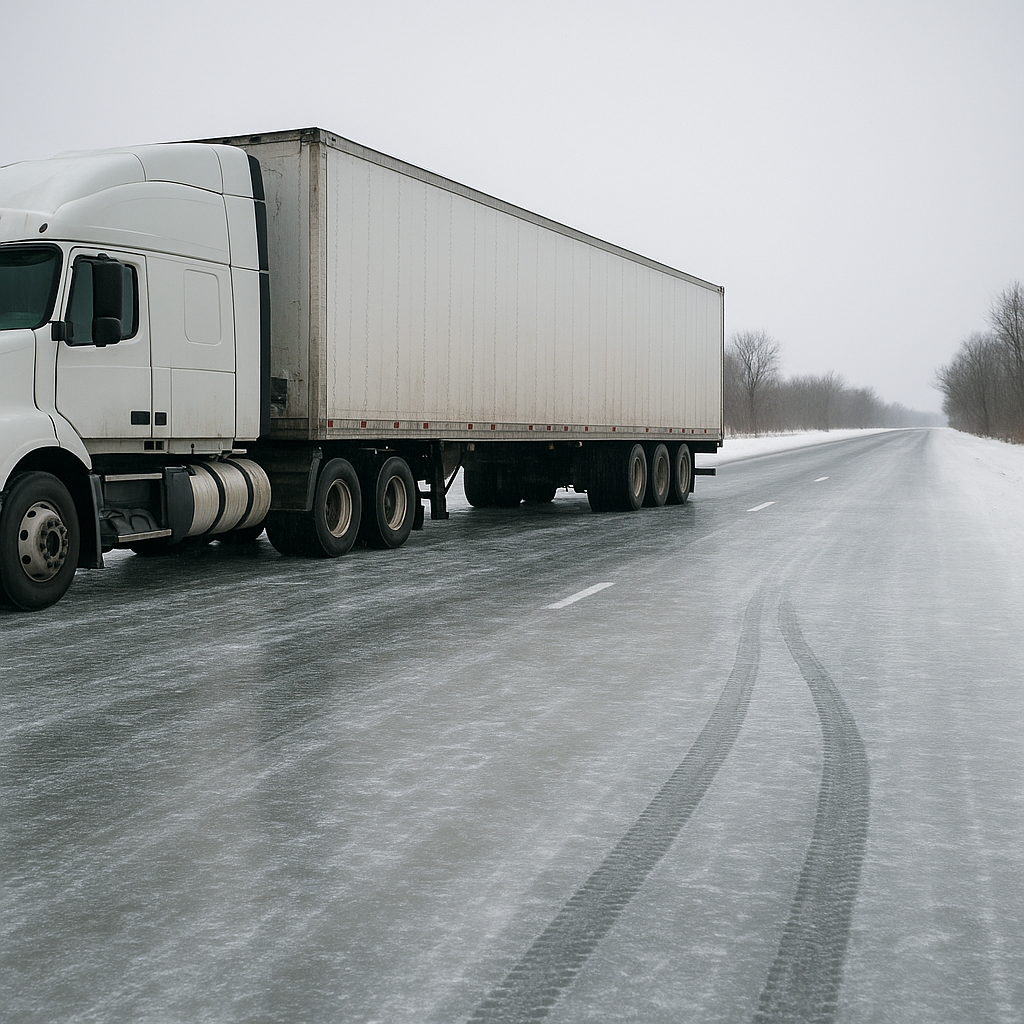
How Truck Stopping Distance Changes in Icy Conditions: A Nevada Perspective
Overview of Nevada’s Icy Road Weather and Conditions
While Nevada is famed for its desert cities and dry climate, its diverse geography means weather can be much more variable than often assumed. The Silver State includes the snow-capped Sierra Nevada mountains, the high-elevation of northern plateaus, and highways that climb steep grades and cross mountain passes. During winter, especially between November and March, Nevada’s roads can see icy and snowy conditions—particularly on Interstates 80 and 50, around the Lake Tahoe region, and through the Humboldt-Toiyabe National Forest. These road conditions create challenging driving conditions, particularly for large trucks.
Icy pavement in Nevada can develop quickly due to freezing nighttime temperatures, brief snow flurries, or even rain that rapidly freezes. Black ice—a thin, nearly invisible coating of ice—is especially prevalent in early morning or late evening. Nevada truck drivers and motorists alike must be vigilant, as these are times when traveling can become unexpectedly hazardous.
How Icy Conditions Affect Trucks Differently Than Cars
Los Angeles to Reno shipments, freight bound for the east coast, and all manner of goods move across Nevada’s busy highways year-round. Big rigs, semi-trucks, and tractor-trailers are much heavier and longer than typical passenger cars. This difference in size, weight, and physics plays a major role in how trucks handle on icy Nevada roads.
1. Weight and Momentum:
A fully loaded semi-truck can weigh up to 80,000 pounds, while a standard car averages about 4,000 pounds. On ice, the truck’s massive weight creates much more momentum. When a driver brakes, all that weight keeps moving forward. Friction between tires and the road helps vehicles stop—a force drastically reduced on slippery surfaces.
2. Stopping Distance:
Under normal, dry conditions, passenger cars might need about 200 feet to stop from 65 mph. A loaded semi may need more than double that—often up to 450 feet. On icy roads, stopping distances for both vehicles increase dramatically. For trucks, however, this extra distance can stretch up to 10 times the normal stopping distance, sometimes reaching 1000 feet or more. Nevada’s long, straight stretches and highway passes can easily hide slick patches that appear suddenly.
3. Handling and Stability:
Trucks have a higher center of gravity, making them prone to jackknife or rollover accidents, particularly if the driver must brake or swerve suddenly on slick pavement. Unlike cars, which might slide but remain more controllable, a truck’s trailer can pivot out of alignment with the cab, or tip if improperly loaded and subjected to excessive braking on ice.
4. Braking Systems and Technology:
Many trucks use air brakes, which have a slight delay compared to hydraulic car brakes, and require deliberate, measured pressure to avoid locking wheels. Modern trucks are increasingly equipped with anti-lock braking systems (ABS), which help—but on extremely slick Nevada ice, even ABS can only do so much. Electronics can’t make up for lost friction.
Why Crashes Can Become Severe Under These Conditions
Crashes involving trucks on icy roads can result in more severe outcomes for several reasons, reflecting Nevada’s unique mix of long-haul routes and challenging winter geography:
1. High Speed and Loneliness of Roads:
Highways like I-80 stretch for miles with minimal traffic during winter, tempting drivers to increase speed. When ice unexpectedly covers the pavement, braking becomes ineffective. At highway speeds, a truck needing 1,000 feet to stop might only travel a few hundred feet before encountering a slowdown, obstacle, or another vehicle.
2. Multi-Vehicle Pileups and Size Disparity:
When a truck loses control, the sheer size and length of the vehicle often means it blocks multiple lanes or the entire road. Passenger cars have little room to react, and multi-vehicle pileups become more likely.
3. Hazardous Material Spills:
Some Nevada truck traffic includes cargo like chemicals, gasoline, or hazardous waste. An icy crash not only blocks the roadway but can also result in dangerous spills, requiring specialized cleanup and emergency response, often complicated by the state’s remote stretches.
4. Recovery and Access Challenges:
Nevada’s rural highways and mountainous terrain can delay first responders and towing services. In severe winter weather, it may take hours for help to arrive. This isolation increases the risks of exposure and prolongs dangers for crash survivors.
5. Chain-Reaction Accidents:
Because a truck might need to brake suddenly, trailing vehicles—especially if they’re unable to slow down in time—are at risk of secondary collisions. With freezing fog or blowing snow common around Nevada’s mountains, visibility can quickly drop, reducing driver response time.
Common Seasonal Patterns in Nevada
Understanding when and where icy conditions are most common can help both truck drivers and motorists plan for safety. Nevada’s climate varies regionally, so here’s what to watch for:
1. Northern Nevada:
Regions around Reno, Elko, and Ely often experience extended winter conditions. Snow and ice are common on I-80, especially through the Pequop, Emigrant, and Donner passes. Freeze-thaw cycles create patchy black ice on bridges and shaded valleys.
2. Elevation Factors:
Highway 50 (“The Loneliest Road in America”) and US 395 see sharp elevation changes. As trucks climb into higher elevations, temperatures drop rapidly, increasing the likelihood of ice even when lower valleys are clear.
3. Sudden Storms:
Winter weather in Nevada can change swiftly. Storm systems rolling in from California can drop several inches of snow within hours. Areas west of Carson City or near Lake Tahoe may remain slippery due to persistent shade or compacted snow.
4. Early Mornings and After Dark:
Black ice is most common before sunrise and after sunset, when road surfaces re-freeze. Areas near rivers or creeks—like the Humboldt River—may experience extra icing due to humidity.
5. Salt and Grit Practices:
While Nevada Department of Transportation uses salt and sand on major routes, rural or secondary roads may go untreated for hours. Truck drivers should be cautious on less-traveled highways or after fresh snowfall.
Preparing for Safe Journeys in Nevada’s Icy Conditions
Understanding how truck stopping distance changes in icy conditions is crucial for both truck drivers and all who share Nevada’s winter roads. Heavier vehicles require far more time and space to stop; even seasoned professionals can be caught off-guard by the sudden formation of black ice or the rapid onset of storms. Nevada’s mountainous terrain adds complexity, as weather and road surface conditions can change dramatically with elevation and exposure.
Whether transporting goods across the state or commuting during winter months, staying aware of weather forecasts, adjusting speed, increasing following distance, and recognizing that truck stopping distances can increase tenfold are key steps for safety. Cautious, attentive driving makes Nevada’s beautiful but challenging highways safer for everyone—even when winter weather tries to surprise.