
How Trucking Companies Report Accidents to Insurers
Introduction to Insurance Claims in Truck Accidents
Trucking companies play a crucial role in transportation, but with their operations come risks of accidents. When incidents occur, efficient reporting to insurers is essential to handle claims effectively. This article outlines how trucking accident reporting insurance processes typically work, offering insights into the steps involved, challenges that may arise, and how decisions are made.
How the Claims Process Typically Works in This Situation
When a truck accident occurs, the involved company must report the incident to their insurance provider promptly. This initiates the claims process, designed to assess the accident’s circumstances and determine coverage. Understanding this process helps ensure smoother interactions between trucking companies and insurers.
Key Steps Involved in Handling a Claim
1. Immediate Reporting: Companies should notify their insurance provider as soon as possible after an accident. This notification generally includes basic details about the incident, such as the date, location, vehicles, and parties involved.
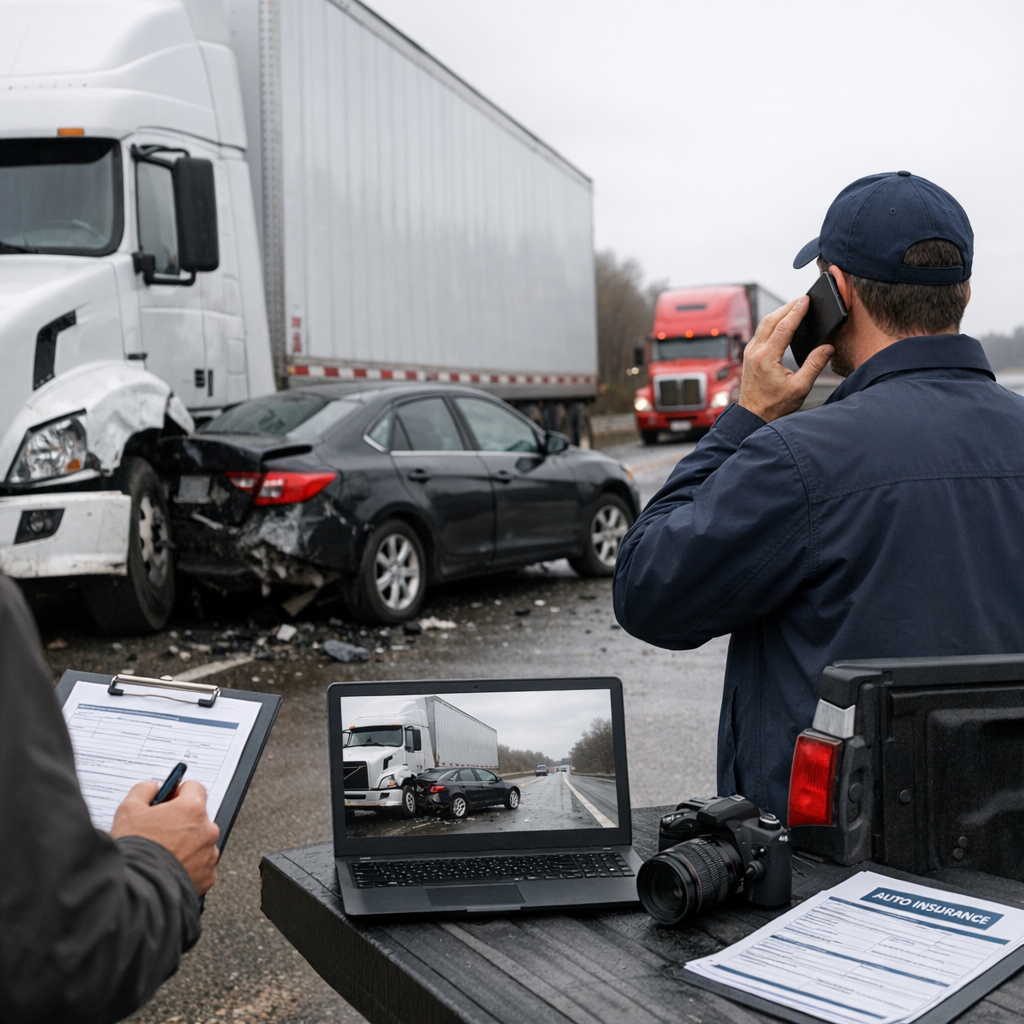
2. Document Collection: Insurers often require comprehensive documentation. This may include police reports, photographs of the scene, witness statements, and any on-board telematics data available from the truck.
3. Incident Evaluation: Insurers will review the gathered information to determine liability and coverage eligibility. This evaluation often involves investigating the accident’s cause and assessing the extent of damages or injuries.
How Insurance Companies Review and Evaluate Claims
Insurance companies use standardized procedures to review claims, often deploying adjusters who assess the accident scene and details provided. They examine evidence, evaluate damage, and verify policy conditions to establish the extent of coverage. This thorough evaluation helps ascertain legitimate claims and ensure that payouts align with policy terms.
Common Issues or Delays That May Arise
Delays in the claims process may occur due to incomplete documentation, disputes over liability, or challenges in determining fault. Insurance companies may also face backlog issues or require additional information for complex cases, potentially prolonging the settlement timeline.
How Decisions and Payouts Are Generally Determined
Final decisions and payouts depend on the policy coverage and investigations conducted. Once liability is established, insurers calculate payouts based on factors like repair costs, medical expenses, and legal liabilities. It’s important to note that insurers aim to adhere strictly to policy terms, ensuring that compensations align with coverage stipulations.
General Awareness of Options When Challenges Occur
If challenges or disputes arise during the claims process, trucking companies may consider seeking professional guidance. While this article doesn’t offer legal advice, it’s common for companies to consult legal professionals to better understand their rights and options.
Closing Informational Summary
Understanding how trucking companies report accidents to insurers is crucial for efficient claims processing. Key steps include timely reporting, thorough documentation, and comprehensive evaluation by insurers. Though challenges may occur, awareness of the process and seeking professional guidance when needed can assist in navigating this intricate system effectively.