
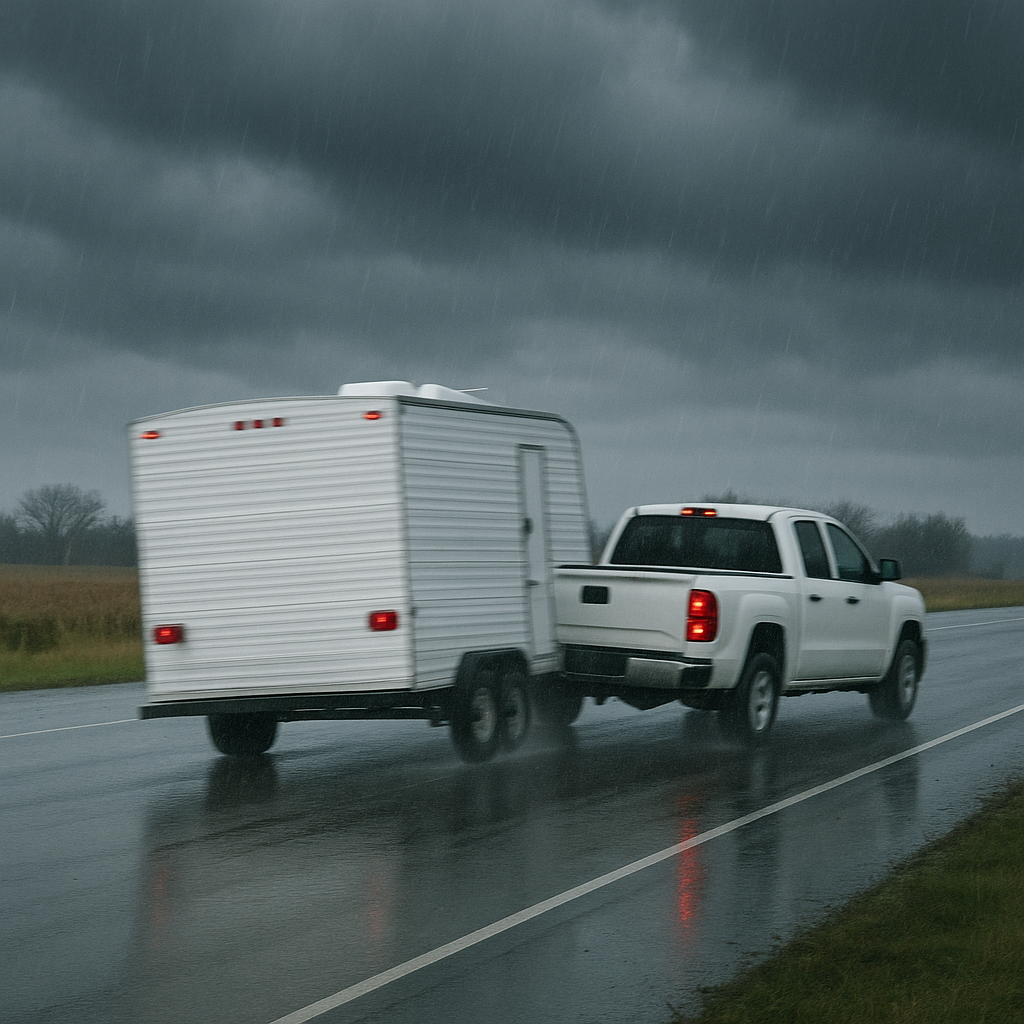
How Weather Affects Trailer Sway and Fishtailing in Nevada
Nevada’s endless highways, expansive valleys, and dramatic mountain passes make it a favorite destination for road trip enthusiasts, truckers, and RV travelers alike. But beneath the surface of that open-road allure, the state’s unique—and sometimes unpredictable—weather patterns can pose challenges to anyone towing a trailer. One of the most dangerous towing hazards is trailer sway, sometimes escalating into total loss of control known as fishtailing. Understanding how weather affects trailer sway and fishtailing is crucial for staying safe on Nevada’s roads.
—
Overview of the Nevada Weather or Road Condition Factor
Nevada’s climate spans arid deserts, high plateaus, and rugged mountains. Across the Silver State, drivers encounter particular weather phenomena that directly contribute to trailer sway and fishtailing:
– High winds: Nevada experiences strong gusts, especially across the open Great Basin and along interstates such as I-80 and U.S. Route 50.
– Sudden storms: Fast-moving thunderstorms can produce rapid wind shifts, slick roads, or even hail, especially in summer.
– Temperature extremes: Intense summer heat can soften asphalt and affect tire pressures, while winter ice and snow create slick surfaces, especially along higher-elevation corridors.
These weather conditions, often changing quickly and without much warning, can dramatically alter a driver’s ability to control any vehicle—especially those towing a trailer.
How This Condition Affects Trucks Differently Than Cars
Towing a trailer adds a complex layer of aerodynamics to any journey. While both cars and trucks can struggle with sway, the effects are particularly pronounced for pickups and larger vehicles towing heavier, longer, or taller trailers. Several Nevada-specific factors affect how weather interacts with these vehicles:
– Crosswinds and Headwinds: Nevada’s wide valleys and basins funnel winds across highways. High-profile vehicles, such as pickups with substantial trailers or fifth wheels, catch more wind. Wind gusts can push against the broad sides of a trailer, causing it to oscillate, or “sway.”
– Passing Large Vehicles: When trucks pass—or are passed by—semi trucks on Nevada’s main corridors, wind pressure differences can create turbulence, jostling both the tow vehicle and the trailer.
– Weight Distribution: Shifting cargo in bumpy, mountainous areas can make the problem worse, especially if weight is not properly balanced between the tow vehicle and the trailer axles.
Unlike lighter vehicles, pickups and trucks towing trailers have a greater tendency to act as a single, levered unit. If the trailer starts to move from side to side, the pivot point at the hitch amplifies the effect. Strong or erratic Nevada winds and slickened road surfaces can quickly turn small sway from minor wind gusts into uncontrolled fishtailing.
Why Crashes Can Become Severe Under These Conditions
In Nevada, trailer sway crashes can escalate in severity rapidly due to several factors:
– Desert Crosswinds: In places like the I-15 corridor near Primm or the high desert stretches near Ely, sudden, powerful gusts can catch drivers off guard. High speeds common to these highways leave little reaction time.
– Limited Visibility: Dust storms—known locally as “haboobs”—and rapidly changing weather can decrease visibility, making it hard for other drivers to anticipate or react to an out-of-control trailer.
– Sparse Emergency Services: With long stretches of rural highway and minimal shoulder space, a single fishtailing incident can block traffic for hours and make it difficult for help to arrive quickly.
– Trailer Overturns: When sway turns into fishtailing and the driver cannot regain control, the trailer can jackknife or roll over, often dragging the tow vehicle with it. These wrecks can spill cargo, block highways, and cause secondary crashes, especially in heavy tourist seasons near places like Lake Tahoe or Las Vegas.
For commercial truckers and recreational travelers alike, these risks mean what starts as a minor sway can quickly turn into a high-speed, multi-vehicle pile-up or a dangerous rollover on a remote stretch of highway.
—
Common Seasonal Patterns in Nevada
To understand how weather affects trailer sway and fishtailing, it’s important to recognize the state’s seasonal weather patterns and where risks arise on Nevada’s unique roadways.
Spring
Spring brings rapidly changing weather to Nevada.
– Wind Events: Blustery conditions develop as the jet stream shifts, and high winds are common, particularly in open basins like those found along I-80 and U.S. Route 50.
– Rising Temperatures: Early heat waves can change road texture, sometimes causing ruts or softened asphalt where tires grip less effectively.
Summer
Summer is marked by intense heat and dramatic storms.
– Monsoonal Thunderstorms: Sudden downpours and strong outflow winds are common in southern Nevada, especially near Las Vegas and rural Clark County.
– Dust Devils and Haboobs: Loose, dry soils and winds create unpredictable dust storms, drastically reducing visibility and surface traction.
– High Temperatures: Long, hot days can lead to tire blowouts and lower air density, decreasing braking effectiveness for heavy rigs.
Fall
Autumn often sees stiff breezes and rapidly cooling temperatures.
– Wind Channeling: As temperatures drop, air flows through mountain passes and across the basins intensify, increasing the frequency of dangerous crosswinds.
– Early Snow/Ice: In the state’s higher elevations (such as near Reno or on U.S. 395), unexpected frost or ice patches can create hazardous slick spots.
Winter
Winter adds its own set of risks for those towing through Nevada.
– Snow and Ice: Sierra snowstorms can close roads near Lake Tahoe and Reno, while black ice can develop overnight through central Nevada.
– Wind Gusts: Strong winds often accompany cold fronts, creating double trouble when paired with icy surfaces.
– Reduced Visibility: Snow squalls and freezing fog along key mountain corridors can hide dangerous curves or disrupting events like a fishtailing trailer.
Understanding these seasonal threats helps drivers in Nevada anticipate and mitigate the risk of trailer sway and fishtailing before it becomes hazardous.
—
Conclusion
Nevada’s compelling landscapes and diverse climates present both opportunities and challenges for those towing trailers. By being aware of how weather affects trailer sway and fishtailing—especially given the state’s unique wind, storm, and road patterns—drivers can better prepare for safe travel. From rapidly changing crosswinds in spring to slippery roads in winter, Nevada’s roads demand attention to both forecast and road conditions. Staying vigilant and adapting to Nevada’s distinctive environment helps make every journey, whether for work or adventure, a safer and more enjoyable experience.