
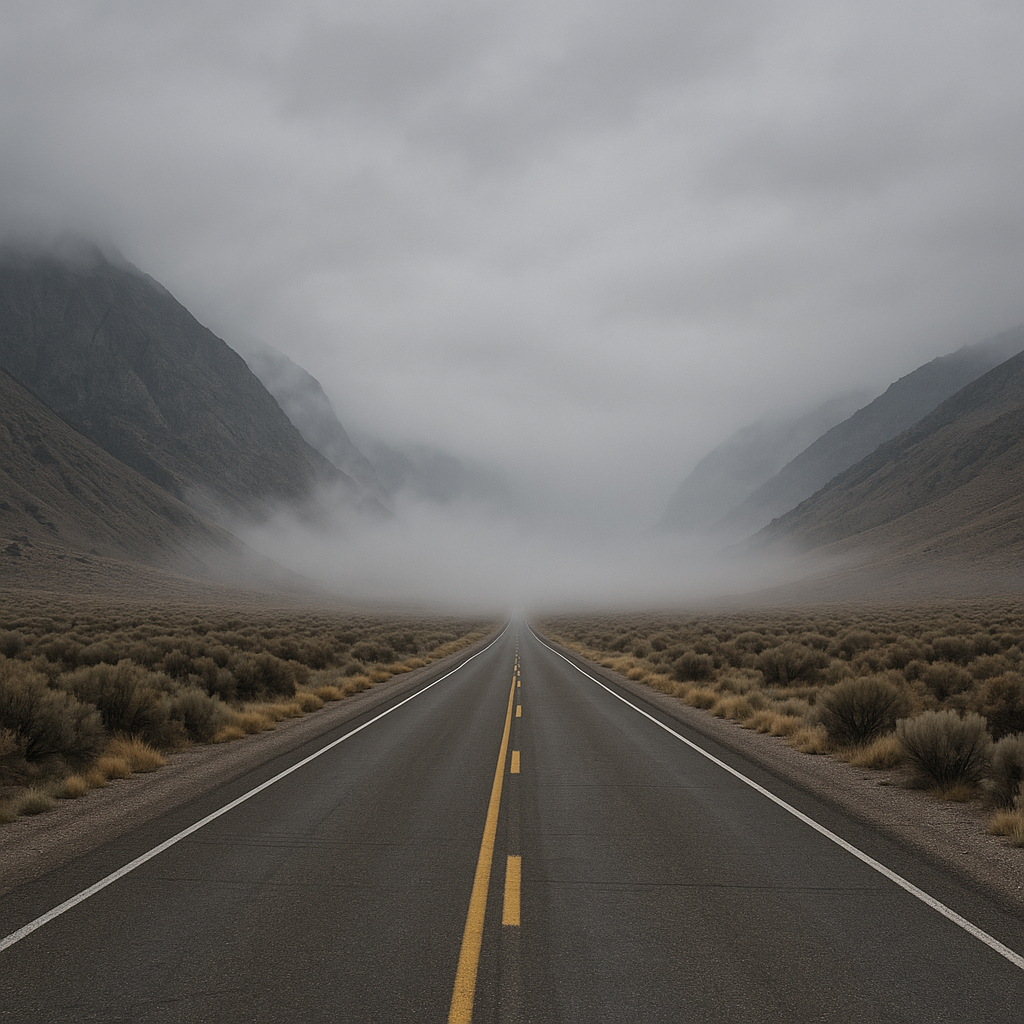
How Weather Impacts Visibility Near Nevada Mountain Valleys
Overview of the Nevada Weather or Road Condition Factor
Driving in Nevada offers breathtaking vistas, especially near its iconic mountain valleys, such as the Ruby Mountains, Spring Mountains, and Sierra Nevada foothills. Yet, these same dramatic landscapes can become caution zones for motorists. Weather impacts visibility near mountain valleys in Nevada in unique ways, presenting specific challenges for both local drivers and travelers passing through the region.
The state’s expansive desert basins abruptly meet soaring peaks, creating microclimates—small, localized weather patterns—that may change suddenly. In these areas, visibility can be rapidly reduced by fog, blowing dust, sudden rain squalls, or even snow, depending on the elevation and season. Unlike the more predictable weather on the open desert highways, the mountain valleys of Nevada can trap moisture, cold air, or windblown debris, each of which can quickly turn a clear route into a hazardous one.
Lower visibility doesn’t just affect scenic drives; it also impacts crucial transportation corridors like Interstate 80, U.S. Route 50 (famously called the “Loneliest Road in America”), and U.S. Route 93, which skirt or traverse Nevada’s rugged terrain. To safely navigate these regions, it’s important to understand the patterns and risks posed by weather impacts on visibility in these mountain valleys.
How this Condition Affects Trucks Differently Than Cars
When weather impacts visibility in mountain valleys, both personal vehicles and trucks face hazards, but the challenges are often magnified for large commercial vehicles. The size, height, and length of a semi-truck or large freight carrier can work against the driver in low-visibility situations.
First, the vantage point of a truck cab may limit a driver’s ability to see obstacles close to the ground, such as road debris scattered by wind, patches of black ice, or vehicles that have slowed suddenly. Fog and blowing sand are particularly troublesome in Nevada’s valleys, as they may hover just above the roadway, reducing the clarity of what’s immediately ahead. For trucks, braking distances are significantly longer, making it tougher to respond quickly to surprises in the mist or dust.
Additionally, larger vehicles generate their own wind currents, which can stir up dust or snow and reduce visibility further for drivers behind or beside them. On narrow, winding valley roads, or on highways edged by steep drop-offs and rock faces, the margin for error becomes even slimmer. Truck drivers must be especially vigilant for abrupt weather shifts—common in Nevada valleys—such as when a clear patch rapidly gives way to dense fog or drifting snow.
Why Crashes Can Become Severe Under These Conditions
Low visibility multiplies the risk of crashes, and the unique geography of Nevada’s mountain valleys means those accidents can quickly escalate in severity. Here’s why:
1. Limited Sight Distance: In weather that impacts visibility—such as dense fog, swirling dust, or heavy precipitation—drivers have far less time to react to hazards. In mountain valleys, where sharp curves and narrow passes may be common, sight distances shrink further, often giving drivers only moments to respond to roadblocks, wildlife, or stalled vehicles.
2. Chain-Reaction Collisions: When one vehicle slows or stops abruptly in poor visibility, following vehicles may not see the hazard in time to stop safely, leading to multi-vehicle pileups. These types of accidents are more likely on busy corridors or during surge travel periods, such as holidays or major events in Reno, Carson City, or Elko.
3. Limited Escape Options: Unlike open highways, narrow mountain passes or valley roads may offer no shoulder, guard rail, or safe turnout. Vehicles involved in crashes may block the roadway entirely, trapping others or making it difficult for emergency services to reach the scene.
4. Heightened Impact for Trucks: When large trucks are involved, the consequences are magnified. Their massive size increases both the force of impact and the number of lanes or sections of the road that may become blocked if a crash occurs.
5. Sudden Changes in Traction: Mountain valleys can experience sudden temperature shifts, leading to the formation of ice or slick mud, especially after rain or melting snow. Combined with poor visibility, these slick surfaces make it harder to maintain control during emergency maneuvers, causing vehicles to skid or overturn.
Common Seasonal Patterns in Nevada
Nevada’s climate is notoriously varied, especially around its mountain valleys. Here are some of the most common weather patterns that influence visibility throughout the year:
– Winter (December–February): Snowfall is common at higher elevations, while valley floors may see freezing fog and frost. Snow squalls can drop visibility to near zero along mountain passes, and ice can create treacherous driving conditions. In valleys, cold air often pools, forming fog that lingers after sunrise and can persist for hours.
– Spring (March–May): As snow melts, valley floors may become muddy or slick. Gusty winds sweep over the region, occasionally whipping up blinding dust storms, particularly in areas where topsoil or volcanic ash is exposed. Changing temperatures may also bring sudden thunderstorms, reducing visibility with heavy rain or hail.
– Summer (June–August): While generally drier, strong winds—especially in the afternoon—can lift dust and fine sand from desert surfaces into adjacent valleys, creating fast-moving “brownout” conditions that obscure the road. Localized thunderstorms can cause heavy downpours, briefly washing out visibility.
– Fall (September–November): Cooler nights promote fog formation in valleys, especially after rainfall. Early snow at high elevations may descend quickly to lower altitudes as autumn progresses, making for variable weather conditions within short distances.
These seasonal shifts mean that drivers need to stay alert for rapidly changing visibility, and tune in to weather alerts issued by the Nevada Department of Transportation or National Weather Service. Many road closures or detours—especially near mountain valleys—are prompted by quickly worsening visibility during storms or fog events.
Neutral Closing Paragraph
Navigating Nevada’s mountain valleys requires constant vigilance—both from seasoned locals and travelers new to the region. Understanding how weather impacts visibility near these valleys is a critical step toward safer journeys, whether you’re driving a family vehicle or operating a commercial truck. By staying aware of local weather patterns, preparing for sudden changes, and adjusting driving behavior for reduced visibility, all who traverse Nevada’s stunning but unpredictable landscapes can help ensure safer passage through some of the state’s most breathtaking—and challenging—terrain.