
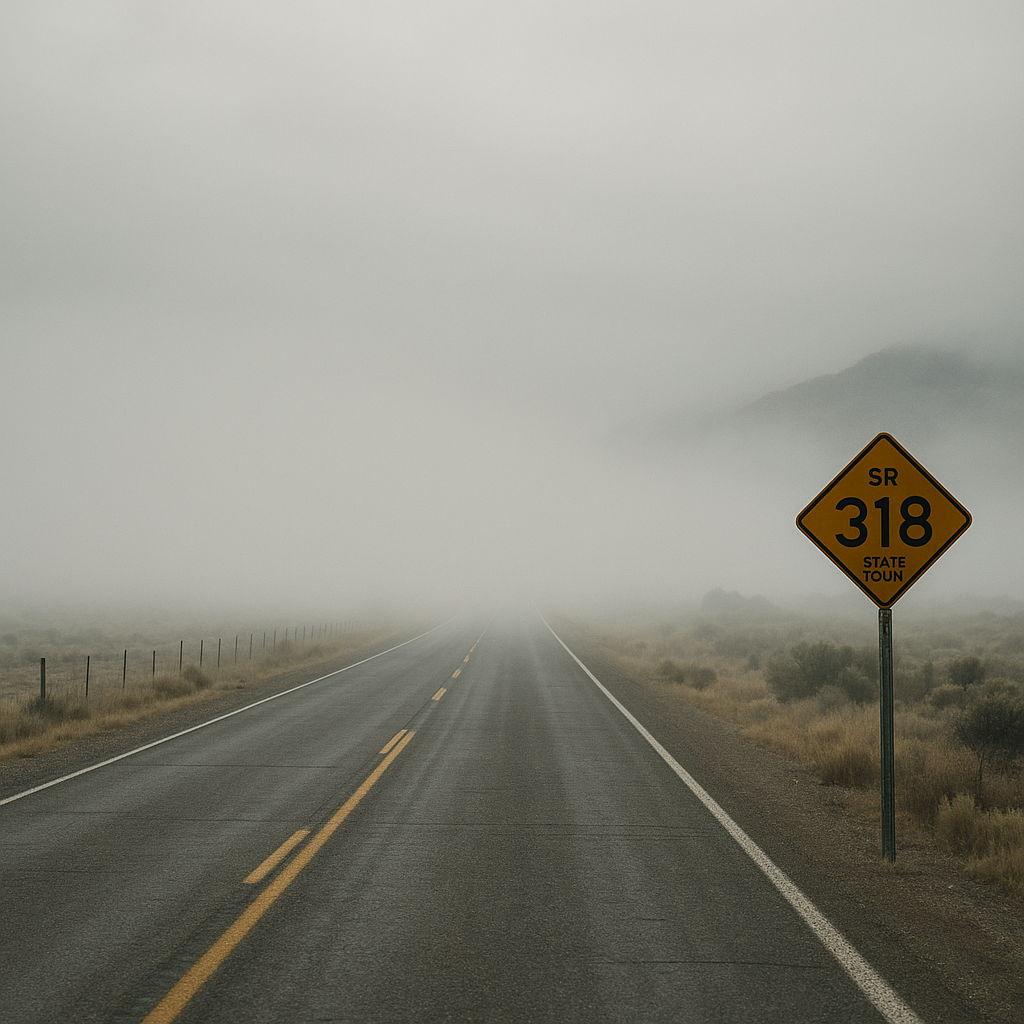
Morning Fog Risks on Rural Nevada Roads
Overview of Morning Fog on Rural Nevada Roads
Nevada’s vast, open landscapes are known for their breathtaking deserts, mountain vistas, and seemingly endless horizons. Yet, for drivers traversing the state’s rural highways, these scenic stretches can unexpectedly transform into hazardous zones—especially in the early morning hours when thick fog descends. Morning fog is a common yet underestimated weather phenomenon in parts of rural Nevada. Its unpredictable nature, especially during specific seasons, demands all drivers take heightened precautions, whether they are local commuters, commercial truckers, or visitors.
Morning fog risks on rural Nevada roads stem from rapid temperature changes, low humidity, and settled air overnight. Unlike Nevada’s urban areas, rural highways are often flanked by wide valleys, open rangeland, or waterways. These features enable pockets of dense fog to develop suddenly and linger until the sun rises high enough to burn them away. The absence of consistent lighting, fewer roadside reflectors, and a lack of regular traffic only increase the risks in these less-traveled areas.
On highways like US Route 50, State Route 318, and the myriad smaller roads threading through Nevada’s basins and mountain passes, the effects of fog can vary but are almost always unexpectedly severe. Understanding why fog forms, how it impacts different types of vehicles, and why crashes in these conditions can become so serious is essential for any motorist traveling the state’s rural roadways.
How Fog Affects Trucks Differently than Cars
Morning fog risks on rural Nevada roads present unique challenges to both commercial trucks and passenger vehicles, but each faces those challenges in distinct ways. Large trucks—especially when hauling heavy or oversized loads—have operational and visibility needs that differ quite markedly from those of cars and light pickups.
Reduced Visibility: Trucks sit higher than most cars, but that does not necessarily grant an advantage in fog. In fact, the headlights on trucks can amplify the reflection of water droplets suspended in the air, decreasing the effectiveness of standard lighting and sometimes making visibility worse for truck drivers. The sheer size and height of a truck can create additional blind spots, making it even harder to see other vehicles or roadside hazards that suddenly emerge out of the mist.
Longer Stopping Distances: Trucks require significantly more distance to come to a complete stop—especially when carrying full loads. In foggy conditions, where the reaction window is drastically shortened, the requisite stopping distance may far exceed what is available. On rural Nevada roads, where shoulders are narrow and turnouts rare, this can have dangerous implications in the event of a sudden obstacle or stalled vehicle.
Maneuverability: Tight turns or evasive action are more difficult for trucks than for cars, particularly if a driver is startled by an obstacle appearing suddenly in the fog. Curves or dips common on rural roads can compound the challenge, increasing the risk of run-off-road or jackknifing incidents.
Lighting Needs: Federal and state regulations require trucks to use marker lights, taillights, and low beams in low-visibility conditions. However, fog can render these lights almost invisible from even short distances, decreasing their effectiveness and increasing the risk of multi-vehicle collisions—especially in stretches of road with little traffic separation.
Why Crashes Become Severe Under Morning Fog Conditions
The unique combination of environmental and traffic factors in rural Nevada means that collisions in fog are often far more severe than in clear conditions. Several key elements contribute to the heightened danger:
High Speeds and Long Distances: Rural roads in Nevada often have higher speed limits, and traffic is generally lighter. Drivers may feel comfortable maintaining faster speeds—right up until visibility is abruptly reduced by a thick wall of fog. When a hazard does appear, it’s often too late to stop or swerve safely.
Delayed Hazard Recognition: Fog can mask not just other vehicles but also wildlife—an ever-present concern in Nevada’s open rangeland. Horses, deer, or livestock crossing the road become invisible until the last possible moment, increasing the chances of high-impact collisions.
Chain-Reaction Accidents: Reduced visibility makes it hard for following drivers to react in time to a collision ahead. On stretches with even modest traffic, this can quickly escalate into multi-car or multi-truck pile-ups.
Limited Emergency Response: Many rural Nevada roads are far from emergency services. In the event of a severe crash, response time can be much longer than in urban areas. Delays in medical care, fire response, and vehicle removal can cause injuries to become more serious and road closures to last longer.
Inadequate Road Markings: Rural highways may have faded paint lines, fewer reflectors, and sometimes no median barriers. When fog sets in, these navigational aids become even more critical; without them, drivers can unintentionally veer off the pavement or into oncoming lanes.
Common Seasonal Patterns in Nevada
Morning fog in rural Nevada does not appear at random; it’s closely tied to certain seasonal and weather patterns. Recognizing these can help drivers anticipate when and where they might encounter dangerous fog.
Autumn and Spring: The majority of morning fog events occur in the cooler months—especially from October to April. During this time, overnight temperatures regularly dip, causing the air to reach dew point and fog to condense near the ground. Morning fog is most common in low-lying valleys such as Smith Valley, Mason Valley, and the Humboldt Basin, where cold air can pool during the night.
Winter Troughs: In winter, snowmelt or leftover rain can increase ground moisture, providing additional water vapor for fog formation. Clear, windless nights often precede the thickest fog events, as the absence of wind allows the cold air—and subsequently, the fog—to settle.
After Rainfall: Following precipitation, especially when a warm front passes over cold ground, fog can develop quickly in the early hours. This is especially common after monsoonal summer rains in northeastern parts of Nevada.
Timing: Fog is almost always densest just before sunrise, thinning out as the sun warms the ground and air. Drivers on the road during daybreak or early-morning hours are at highest risk. Rarely does fog persist past late morning, but isolated areas—especially near rivers or lakes—can experience lingering patches throughout the day.
Rural Nevada: Stay Alert Through the Haze
Morning fog risks on rural Nevada roads are a distinctly regional challenge, shaped by the unique geography, climate, and road infrastructure of the Silver State. Whether you are behind the wheel of a family sedan, a bulk grain hauler, or a pickup bound for the next valley over, respecting the threat posed by dense fog is vital.
By staying aware of Nevada’s seasonal patterns, recognizing how morning fog affects different vehicles, and planning routes and departure times accordingly, drivers can minimize their risks. The Nevada landscape is as beautiful as it is unpredictable—so when the fog rolls in and the horizon disappears, patience, caution, and vigilance can be your best traveling companions. Safe travels through the Silver State’s winding roads, whether you can see for miles or just a few feet ahead.