
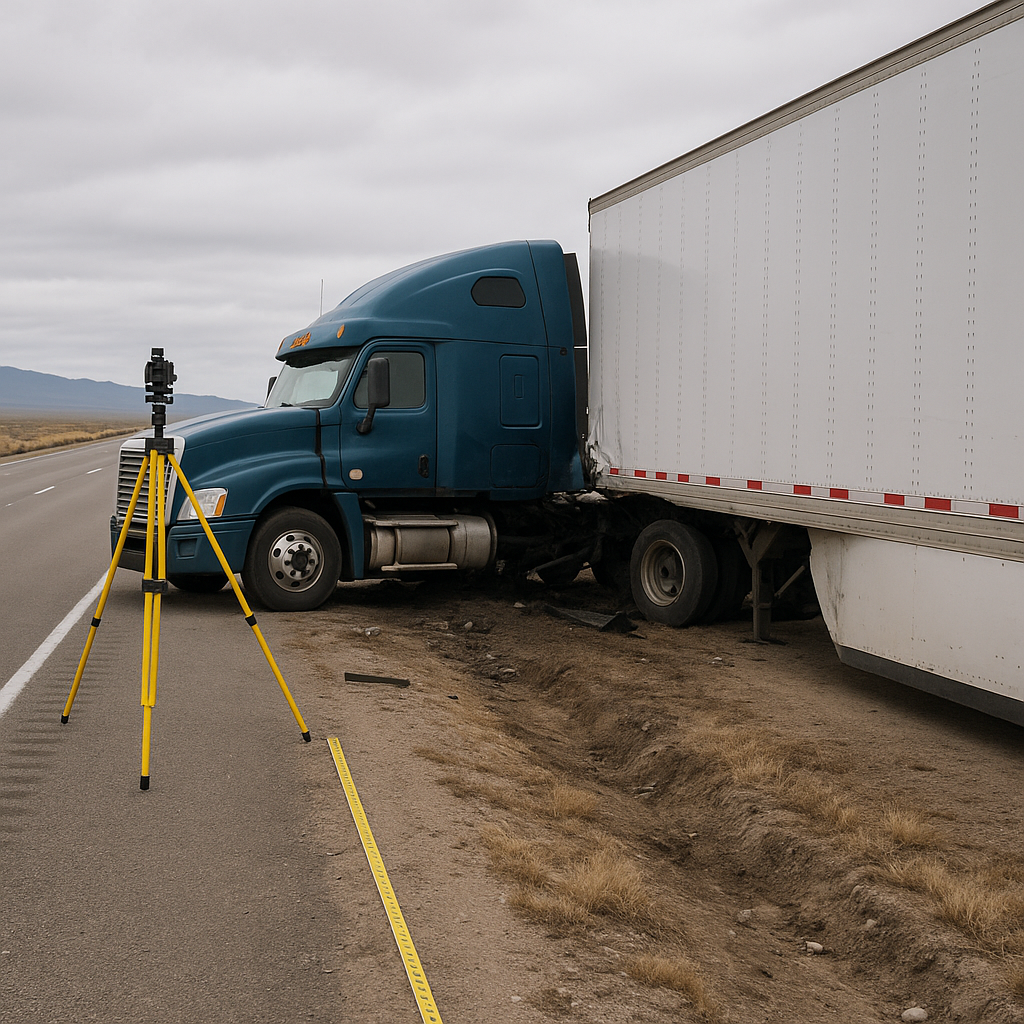
Nevada Crash Investigation Procedures for Semi Trucks
Nevada’s sprawling highways and significant commercial traffic mean that accidents involving semi trucks are a reality of life in the Silver State. Due to the size, weight, and complexity of commercial vehicles, the investigation procedures for semi truck crashes are detailed and methodical, involving multiple agencies and comprehensive documentation requirements. Understanding the framework that governs Nevada crash investigation procedures for semi trucks is essential for commercial drivers, fleet operators, and anyone sharing the roadways.
Overview of Crash Response and Reporting Systems in Nevada
When a crash involving a semi truck occurs in Nevada, the incident sets off a coordinated response among various agencies. The scale of response depends on factors such as the severity of the incident, whether injuries or fatalities have occurred, property damage, and potential environmental hazards like fuel or chemical spills. The initial priority is always life safety, followed by traffic management and the preservation of evidence for investigative purposes.
Nevada has a structured system for both immediate incident response and subsequent crash investigation. Law enforcement agencies serve as first responders, tasked with securing the scene, aiding victims, and ensuring the safety of other road users. From there, specialized investigators, sometimes including teams with expertise in commercial vehicle operations, become involved. Simultaneously, a formal reporting system is triggered to collect essential details and establish an official record.
Beyond the immediate aftermath, local or state enforcement, the Nevada Department of Public Safety, and occasionally federal entities, play roles in deeper investigations, particularly for severe or unusual crashes. The goal is to determine causation factors, regulatory compliance, and possible contributory elements, providing a foundation for post-crash analysis, reporting, and future safety improvements.
Common Agencies and Reporting Steps
A collision involving a semi truck typically leads to the involvement of several Nevada agencies, each with specific investigative and reporting responsibilities:
Law Enforcement Agencies
The Nevada Highway Patrol (NHP) is frequently the primary agency for crashes on highways and interstates, while local police or sheriff’s departments manage incidents within their jurisdictions. These respondents are responsible for securing crash scenes, managing traffic, assisting the injured, and beginning initial documentation. For particularly serious incidents, such as those involving fatalities or significant disruption, dedicated crash reconstruction units may be deployed to conduct in-depth investigations.
Nevada Department of Transportation (NDOT)
When accidents involve road damage, hazardous materials, or significant traffic disruption, NDOT steps in to address infrastructure concerns and coordinate cleanup or repair efforts. They may assist with road closures, detour planning, and the safe removal of vehicles and debris.
Federal Agencies
For crashes meeting certain criteria—such as those involving hazardous material spills or interstate commerce—the involvement of federal agencies like the Federal Motor Carrier Safety Administration (FMCSA) or the National Transportation Safety Board (NTSB) may become necessary. These agencies focus on regulatory compliance and may provide technical expertise or oversight.
Reporting Procedures
Once first responders secure the site, a formal crash report is generated, encompassing all pertinent facts. This report includes information about involved drivers, vehicle details, cargo type, witness statements, and the apparent sequence of events. Reports are compiled to meet both state and federal standards, and are essential for subsequent claims, regulatory reviews, and possible legal proceedings.
If commercial vehicles are involved, reports often include additional information required by the FMCSA, such as driver logs, maintenance records, and cargo documentation. Nevada’s reporting systems are designed to produce an accurate public record, facilitate insurance processing, and inform future safety strategies.
Documentation Typically Involved
Accidents involving semi trucks demand thorough and multifaceted documentation to ensure all regulatory, legal, and insurance requirements are met. Here’s an overview of the documentation commonly associated with Nevada crash investigation procedures for semi trucks:
Crash Report Forms
The primary document is the official crash report filled out by law enforcement. This record captures comprehensive data about the scene—the time, location, road conditions, vehicles, and those involved. Sketches, photographs, and diagrams are often included to illustrate the circumstances of the collision.
Driver and Vehicle Information
Required documentation includes copies of commercial driver’s licenses, vehicle registrations, and proofs of insurance. For semi trucks, inspection reports, licenses specific to interstate commerce, and hazardous materials endorsements—if applicable—are relevant.
Cargo and Manifest Documentation
If the truck was carrying freight, bills of lading or cargo manifests are necessary to determine what was on board and assess any implications for public safety or environmental risk—especially critical if the cargo includes regulated or dangerous materials.
Maintenance and Inspection Records
Investigators often review the truck’s maintenance logs, recent inspection certificates, and repair histories. This helps ascertain whether mechanical issues may have contributed to the crash or whether regulatory inspection intervals were followed.
Driver’s Logbooks and Electronic Logging Devices
Hours-of-service compliance is critical in commercial vehicle operations. Investigators review driver logbooks or data from electronic logging devices (ELDs) to ensure that fatigue or time-of-service violations did not play a role.
Witness Statements and Evidence
Statements from drivers, passengers, other motorists, and bystanders are taken when possible. Photographic or video evidence—sometimes from dashboard cameras, traffic cameras, or personal devices—is also gathered to supplement the factual record.
Common Reporting Misunderstandings
Despite Nevada’s structured procedures, misunderstandings about crash reporting—especially involving semi trucks—are common. One frequent misconception is that only “major” collisions (those with visible injuries or severe damage) need to be reported. In reality, Nevada law requires reports for a wide range of incidents, including those with non-injury property damage above certain thresholds.
Another common misunderstanding is about the roles of various agencies; some assume that only state police handle commercial vehicle crashes. However, jurisdiction depends on crash location and circumstances, and multiple agencies may collaborate even within a single investigation.
There is also confusion regarding driver obligations post-crash. Commercial drivers must not only comply with Nevada state laws but also federal regulations—many of which have specific requirements for documentation, notification, and participation in investigations.
Finally, some parties are unclear about the length of time required for investigations. Because semi truck crashes often require specialized analysis or attention from multiple agencies, timelines for finalizing reports or reaching determinations can be longer than in passenger vehicle incidents.
Closing Thoughts
Understanding Nevada crash investigation procedures for semi trucks highlights the complexity and rigor required to manage these serious incidents. While the involvement of numerous agencies, detailed documentation, and specialized expertise can make the process appear daunting, this system aims to promote fairness, accuracy, and the ongoing enhancement of road safety. As commercial traffic continues to play a vital role in Nevada’s economy, awareness of these procedures benefits everyone on the road—helping ensure that when crashes occur, they are thoroughly and thoughtfully investigated.