
Nevada Freight Routes to Utah and the Mountain West
Overview of the Freight Corridor or Trucking Activity
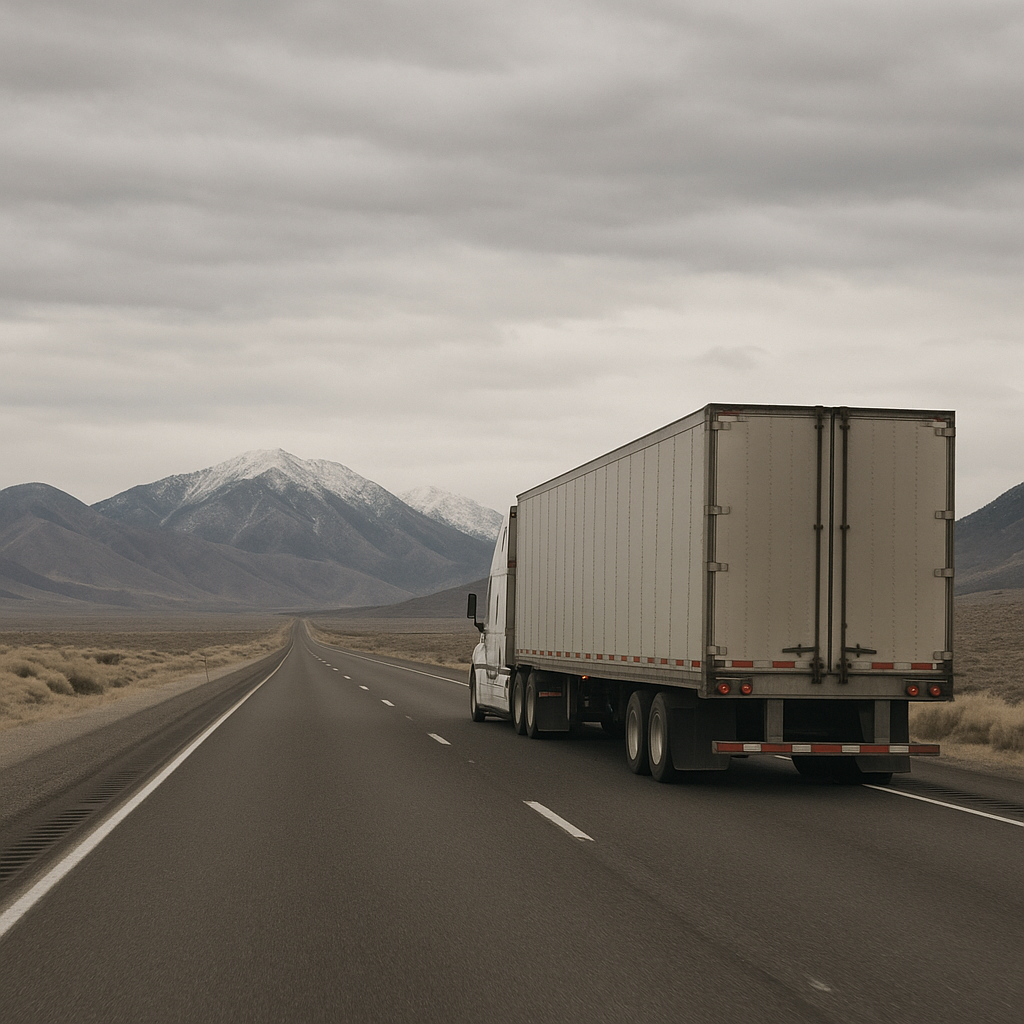
Nevada’s highways serve as a critical link in moving goods between the Pacific Coast and the interior West, particularly to Utah and the Mountain West. The state’s position as a transportation crossroads, with vast logistics hubs in cities like Las Vegas and Reno, makes Nevada freight routes to Utah and the Mountain West pivotal arteries for commerce. I-80 and I-15 are at the heart of this activity.
Interstate 80 (I-80) stretches from Reno across northern Nevada to Wendover, offering direct access into Utah and the broader Mountain West. This route is favored for its reliable geography and direct line to Salt Lake City, a regional logistics powerhouse. Interstate 15 (I-15) starts in Southern California, slices through Las Vegas, and then heads northeast before crossing into Utah near Mesquite. I-15 is a high-volume corridor for freight headed to the rapidly growing markets of Salt Lake City, Ogden, and beyond.
Secondary highways—such as US 93, US 50, and US 6—also play an important supporting role. They connect smaller communities and can act as vital alternatives when congestion or closures affect the primary interstates. In addition, Nevada’s network of state roads provides access to mining, agricultural, and manufacturing sites that feed into the composite freight flow to the Mountain West.
The result is a constantly shifting mosaic of trucks transporting everything from consumer goods out of California’s ports to raw materials from the state’s mineral-rich basins. Nevada’s freight routes to Utah and the Mountain West are not only corridors for finished products but also lifelines for the region’s supply chains.
Common Truck Types and Freight Activity in the Area
Due to Nevada’s diverse economy and its function as a regional conduit, several different types of trucks and loads are common sights on eastbound and westbound routes.
Long-Haul Tractor-Trailers
The backbone of Nevada’s freight traffic is made up of long-haul tractor-trailers pulling dry vans or refrigerated (“reefer”) trailers. These transport a wide array of goods, from electronics and retail products entering from the West Coast (bound for Utah, Colorado, and Idaho), to perishable foods and pharmaceuticals. Reefers are especially active in the summer months due to the heat-sensitive nature of high-value cargo.
Flatbeds and Lowboys
Mining and construction are cornerstones of Nevada’s economy and demand the movement of heavy equipment, raw materials, and fabricated components. Flatbeds and lowboy trailers regularly carry oversized loads—think mining trucks, large pipes, or prefabricated structures—especially along routes like US 93 between Ely, Elko, and Utah’s mineral belts.
Bulk and Tanker Trucks
Nevada’s proximity to key crossroads makes it a logical route for bulk commodities. Tanker trucks haul everything from fuel and chemicals to agricultural products. These vehicles are frequently observed between the Salt Lake City petrochemical facilities and Nevada’s depots.
Intermodal Chassis
With Reno and Sparks serving as intermodal hubs, chassis carrying shipping containers are often spotted on I-80, where they connect Nevada’s warehousing sector with port traffic and rail lines.
The diversity of truck types reflects the multifaceted role Nevada plays—not just moving finished goods but supporting the region’s natural resources, agriculture, and manufacturing sectors.
How Congestion or Merging Creates Risk
While Nevada’s vast open stretches might suggest smooth sailing, congestion and merging present significant risks, particularly on the state’s busiest interstates.
Urban Bottlenecks
In Las Vegas and Reno, the interface between local traffic and long-haul trucks can lead to slowdowns, especially during rush hours. Merging from on-ramps onto I-15 in Las Vegas, for example, often means dense clusters of passenger cars and heavy trucks jockeying for position— dramatically increasing the risk of sideswipe collisions.
Construction Zones and Lane Drops
Nevada’s long stretches of I-80 and I-15 are punctuated by frequent roadwork dictated by seasonal repairs and expansions. Temporary lane drops and altered traffic flows can create a “pinch point” effect, squeezing trucks and cars into limited lanes and requiring heightened awareness from all drivers. Lane changes in these high-demand areas are riskier, particularly for large trucks with extended stopping distances.
Mountain Passes and Weather-Related Congestion
On the outskirts of Nevada’s borders, particularly near the Toano Range (I-80) or the Virgin River Gorge (I-15), geography can constrict lanes or limit visibility, compounding merging risks. Inclement weather—whether sudden snow squalls in winter or dust storms in summer—can rapidly reduce capacity, prompting unpredictable stops and lane changes.
Rest Area Access and Exit Highways
Rest areas and weigh stations, meant to support truck safety, can become unintended choke points. Heavy use by commercial traffic often leads to trucks merging back into fast-moving traffic, especially as they re-enter the mainline after short stops.
These merging and congestion points require careful attention from both commercial and non-commercial drivers, as the size and speed differences between vehicles are most apparent—and most hazardous—where roadways narrow or traffic flow shifts.
Time-of-Day and Seasonal Traffic Trends
Understanding when Nevada’s freight corridors are busiest can help stakeholders plan safer, more efficient journeys.
Time-of-Day Patterns
– Morning Rush (6–9 a.m.): Major corridors around Las Vegas, notably I-15 and the “Spaghetti Bowl” interchange, see a confluence of local commuters and long-haul truckers getting a jump on the day.
– Midday: Freight volumes remain moderate and steady across most routes, with reduced urban congestion but continued heavy truck presence, especially near logistical hubs.
– Evening Rush (4–7 p.m.): As daytime work ends, passenger vehicle traffic intensifies, especially at merge points entering and exiting Reno and Las Vegas. Truck activity may lag slightly behind, but remains prominent as cross-state and regional hauls continue.
– Overnight (10 p.m.–4 a.m.): Many long-haul drivers utilize this window to avoid heavy city traffic. Rest stops fill up, and truck convoys multiply, especially on I-80 and I-15.
Seasonal Variations
– Winter: Snow and ice pose challenges—especially on I-80 near mountain passes or on rural highways at higher elevations. Some routes may face chain controls, delays, or temporary closures.
– Summer: High temperatures impact certain freight (like produce or chemicals in reefer and tanker trucks), increasing the number of specialized trucks running with time-sensitive cargo.
– Holidays: Tourist volumes spike around major holidays, especially in and out of Las Vegas. This influx, combined with steady freight movement, intensifies congestion along principal corridors.
Freight planners and drivers monitor these trends closely, adjusting routes and schedules to maximize efficiency and minimize risk exposure.
Neutral Closing Paragraph
Nevada’s freight routes to Utah and the Mountain West represent a complex and dynamic component of the regional economy. The interplay between truck types, varied traffic patterns, and geographical challenges highlights the essential nature of safety and strategic planning. As commerce between the Pacific Coast and the Mountain West continues to grow, Nevada’s role as a freight gateway remains firmly established, supporting diverse industries and communities throughout the region.