
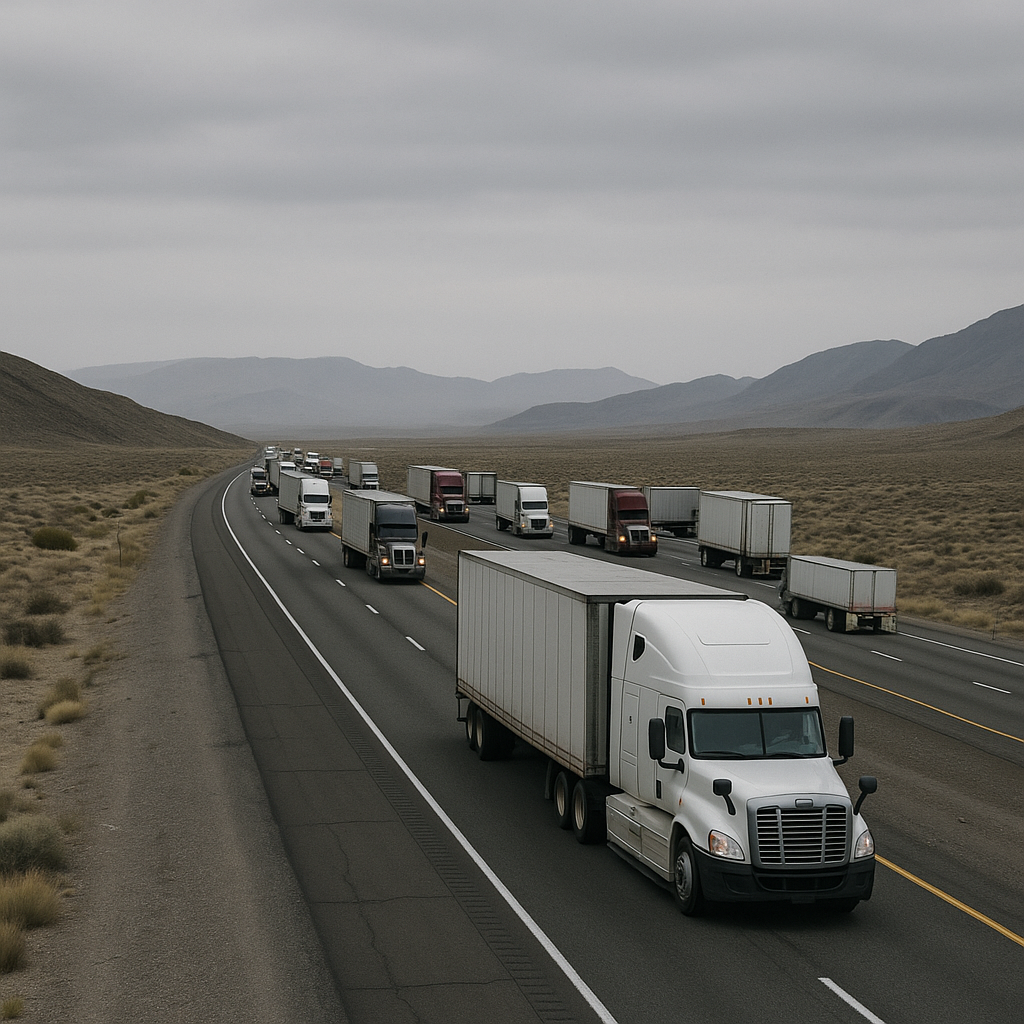
Nevada Highways with High Semi Truck Traffic Volume
Nevada, with its vast desert expanses and rapidly growing cities, serves as a crucial crossroads in the nation’s freight network. Several major highways cut across the Silver State, accommodating thousands of semi trucks daily as goods travel between the West Coast, the Rocky Mountains, and the Southwest. This heavy truck traffic is particularly concentrated on specific routes, shaping transportation and safety considerations statewide. For those navigating these roadways, understanding Nevada highways with high truck traffic volume is essential to appreciating the unique challenges and dynamics they present.
—
Overview of High-Traffic Nevada Highway Segments
Nevada’s strategic location naturally channels a significant portion of interstate commerce through its highway system. The following corridors are especially known for their high semi truck traffic:
Interstate 15:
Running from the California state line near Primm through Las Vegas and north into Utah, I-15 is Nevada’s busiest interstate for freight movement. Its proximity to Southern California—one of the nation’s largest shipping hubs—makes it a vital truck route. The stretch between Las Vegas and the border often sees dense commercial traffic day and night.
Interstate 80:
Spanning western Nevada from Reno to Wendover, I-80 is a true transcontinental artery. It’s the primary connection between California’s Bay Area and the industrial heartland to the east. Hundreds of truck stops, distribution centers, and logistics facilities dot its path, reflecting its role in cross-country shipping.
US-95 Corridor:
This north-south route links Las Vegas with Reno, cutting through central Nevada. US-95 serves as the backbone for freight movements within the state and provides important access to remote mining and manufacturing areas. Despite being less congested in places, its isolation means a high proportion of traffic consists of big rigs.
US-93:
While not as busy as I-15 or I-80, US-93 remains a critical link between Las Vegas and northern destinations, with large commercial trucks regularly traversing its scenic but sometimes challenging stretches.
—
Why Truck Accidents Are More Common in These Areas
Truck accidents can be more prevalent along these Nevada highways due to a combination of factors unique to high truck traffic regions.
The mix of extremely long straightaways, changing speed limits, and diverse vehicle types—ranging from compact cars to oversize CDL loads—creates a complex road environment. Long-haul trucking involves extended periods behind the wheel, and highways like I-80, which can feel monotonous, may contribute to driver fatigue. The sheer volume of trucks increases the chance of congestion-related incidents, particularly around urban centers such as Las Vegas and Reno.
Weather also plays a role. Sudden dust storms, high winds, and unexpected desert rain can reduce visibility or traction, increasing the likelihood of multi-vehicle collisions or jack-knifing incidents involving large trucks. Additionally, construction zones, common on expanding highways like I-15 and US-95, force abrupt lane shifts and speed reduction, increasing crash risks in already busy corridors.
Road Design Factors that Influence Crashes
Certain design elements of Nevada’s major highways have a direct bearing on crash risks involving semis:
– Long Rural Segments: Highways like US-95 feature hundreds of miles with few exits or services, encouraging higher travel speeds but providing limited opportunities for drivers to pull off safely during emergencies or fatigue.
– Interchange Complexity: Around metropolitan Las Vegas and Reno, complex interchanges, merging lanes, and entrance/exit ramps accommodate a dense mix of trucks and passenger vehicles, which can lead to sideswipe or rear-end collisions.
– Narrow Shoulders/Limited Pullouts: In older or remote highway sections, narrower shoulders and infrequent rest stops limit options for distressed vehicles to get off the main lane quickly.
– Frequent Construction Zones: Major expansion work on I-15 and other routes narrows lanes and alters normal traffic patterns, placing extra navigational demands on truck drivers.
– Mountain Passes on I-80: The highway’s western sections near the Sierra Nevada are prone to steep grades and sharp curves, challenging truck braking and stability.
Traffic Patterns and Truck Volume Considerations
Nevada highways high truck traffic flow is rarely uniform, influenced by time of day, shipping schedules, and regional events.
– Peak Hours: Mornings and late afternoons generally see increased truck volumes, especially near distribution hubs on the outskirts of Las Vegas and Reno.
– Weekdays vs Weekends: Most commercial shipping occurs Monday through Friday. However, traffic can still spike on weekends due to time-sensitive or perishable freight, and major conventions or events in Las Vegas often prompt surges of truck movements.
– Holiday Seasons: Freight movement is especially pronounced leading up to holidays when demand spikes for goods throughout the West, significantly raising the number of trucks on I-15 and I-80.
– Weather Delays: If snow or closures affect the Sierra Nevada or Utah, trucks may reroute through Nevada in higher-than-normal numbers, temporarily increasing congestion and risk.
—
Safety Awareness Considerations
With Nevada’s highways serving as lifelines for interstate commerce, heightened awareness among all road users is vital—though the responsibility for safety is shared by truck drivers, passenger vehicle motorists, and infrastructure planners alike. The interactions between passenger cars and semi trucks on these major corridors highlight the importance of predictable driving, clear communication, and alertness to changing road and weather conditions.
Infrastructure projects often include updated signage, speed zone adjustments, and new truck stops or rest areas to accommodate the increasing freight flow. Enforcement of rules regarding rest breaks, speed limits, and lane use for semis also plays a crucial part in maintaining overall safety.
While truck drivers are professionally trained and regulated, the sheer bulk and slower maneuverability of large trucks require all drivers to be mindful when merging, passing, and sharing space—especially on stretches known for high Nevada highways high truck traffic.
—
Neutral Closing Paragraph
Nevada’s highways serve as arteries for the state’s economy and as key connectors in national freight movement. The high volume of semi truck traffic along corridors like I-15, I-80, US-95, and US-93 underscores both the state’s strategic importance and the challenges associated with maintaining smooth, safe travel for all. As commerce and population continue to grow, ongoing attention to road design, traffic management, and awareness will help support the safe integration of commercial and personal vehicles throughout Nevada’s vital transportation network.