
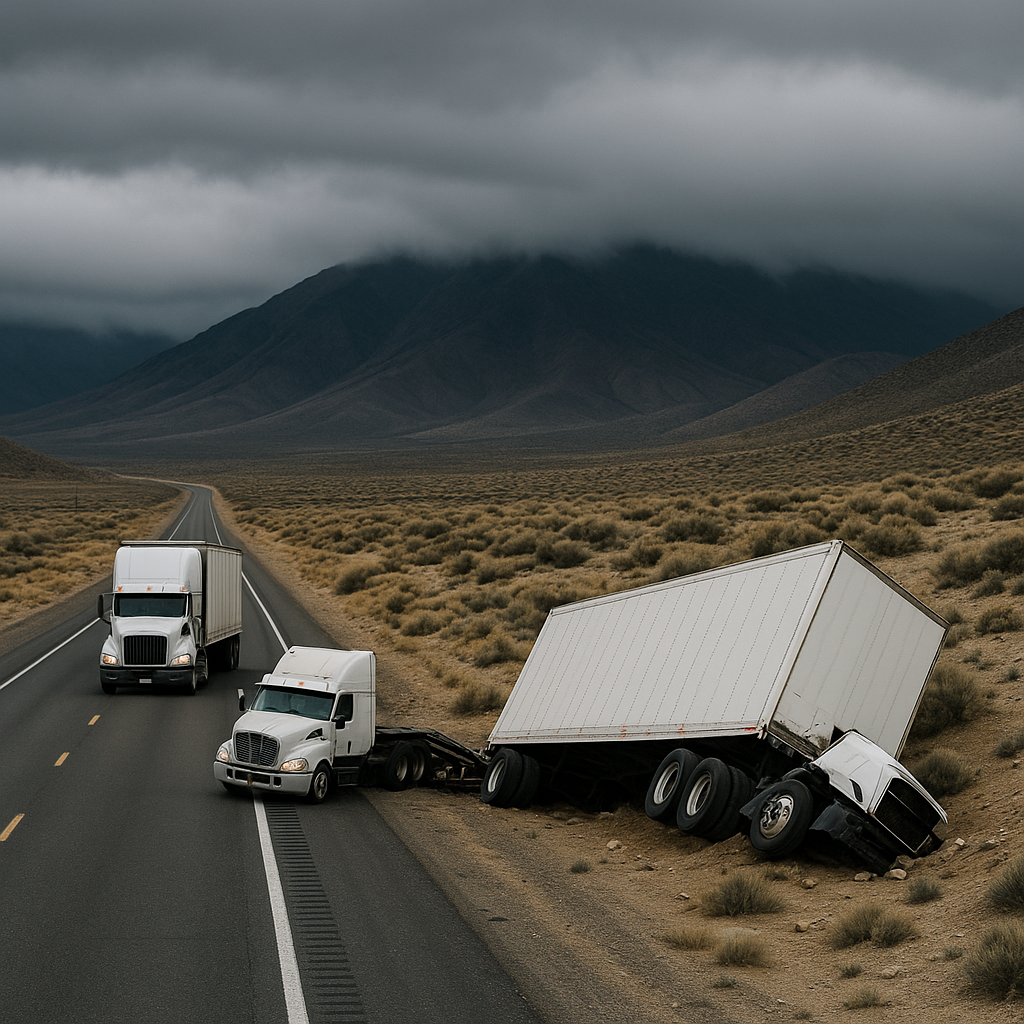
Nevada Microclimates and Trucking Accident Risk
Overview of the Nevada Weather or Road Condition Factor
When most people imagine Nevada, they picture long stretches of sunbaked highways and arid desert landscapes. While this is part of Nevada’s identity, the state’s geography is far more intricate and complex—especially when it comes to weather. Nevada spans high mountains, broad valleys, dry flats, and even receives substantial winter snowfall in some regions. This topographical diversity creates numerous “microclimates,” or localized areas with distinct weather patterns that can change rapidly and sometimes unpredictably.
These Nevada microclimates create unique challenges for road users, especially for truck drivers cruising between cities such as Reno, Las Vegas, and Elko, or hauling cargo through the mountainous Sierra Nevada or the vast Great Basin. Sudden changes in weather conditions can transform clear roads into hazardous stretches with little warning. For the trucking industry—essential for Nevada’s economy and the smooth running of goods across the western U.S.—understanding and adapting to these microclimates is essential for safety.
Microclimates in Nevada range from intense summer heat in the southern desert to icy mountain passes in the north. Even within a single long-haul trip, truck drivers may encounter fog banks, sudden rain showers, gusty crosswinds, dust storms, or winter conditions—all within a few hours’ drive. These abrupt transitions pose a significant risk for large trucks, making Nevada’s microclimates a critical factor in trucking accident risk.
How This Condition Affects Trucks Differently Than Cars
Microclimate-induced weather changes can affect all drivers, but trucks—especially big rigs, tanker trucks, and tractor-trailers—are particularly vulnerable due to their size, weight, and limited maneuverability. Here’s why:
1. Longer Stopping Distances:
Large trucks need much greater distances to stop than passenger cars. When a microclimate zone creates slippery road conditions (such as from rain, snow, or ice), this stopping distance increases. A car might stop quickly, but a fully-loaded truck traveling at highway speed on a slick surface could require hundreds of additional feet.
2. Reduced Traction and Control:
Nevada’s high desert and mountain roads often shift rapidly from dry pavement to icy patches (especially at higher elevations). Trucks are more likely to lose traction and less able to recover from it, particularly while climbing or descending grades.
3. Vulnerability to Wind and Weather:
Gusty winds—a common microclimate feature in Nevada’s open basins and between mountain passes—can push a trailer sideways, increasing the risk of rollover or jacking incidents. Trucks with high profiles, such as box trucks or trailers, act like sails in a crosswind, making them harder to control.
4. Limited Visibility and Blind Spots:
Dust storms, which sometimes arise without warning in Nevada’s arid valleys, can cause sudden whiteout conditions, severely reducing visibility. Trucks have larger blind spots and are slower to maneuver, making it more difficult for drivers to react quickly to unexpected stops or obstacles ahead.
5. Thermal and Altitude-Related Mechanical Stress:
Large elevation changes, common in Nevada’s geography, put additional strain on truck engines and braking systems, especially when paired with rapid temperature swings. This can lead to mechanical failures at the worst possible moments—like a brake issue while descending a steep, icy grade.
For these reasons, Nevada’s variable weather patterns have a disproportionate impact on trucking accident risk compared to smaller vehicles.
Why Crashes Can Become Severe Under These Conditions
Crashes involving large trucks are often more serious than those involving smaller vehicles, but Nevada’s microclimates can intensify both the likelihood and the severity of these incidents.
1. Increased Impact Forces:
The sheer mass and speed of a fully-loaded semi truck mean that collisions, even at moderate speeds, involve tremendous force. When weather reduces traction or visibility, the risk of high-impact crashes rises, particularly in chain-reaction pileups commonly seen in sudden fog or dust storms.
2. Difficult Recovery and Emergency Response:
When accidents occur in more remote stretches of Nevada—such as the highway corridors between sparsely populated towns—help may be far away. Poor visibility or hazardous road conditions can also delay emergency responders, increasing the potential for serious injuries or fatalities.
3. Secondary Risks:
Truck accidents can block lanes for hours, especially in remote mountain passes or desert highways. This not only increases the risk of further collisions (as other drivers may not see a stopped vehicle in time, especially in fog or blowing dust), but it also isolates those involved from immediate assistance.
4. Hazardous Cargo:
A significant portion of truck traffic in Nevada involves the transport of chemicals, fuel, or other hazardous materials. In the event of a crash—particularly one involving weather instability—spillages pose not only immediate risks to motorists and responders but also long-term environmental concerns.
5. Amplified Dangers on Grades and Curves:
Mountain passes in Nevada force trucks to navigate steep grades and sharp turns. Wet, icy, or windy conditions can make these sections treacherous, leading to more severe rollovers or jackknife incidents.
Ultimately, these factors intersect: unpredictable microclimates don’t just make accidents more likely—they also make them more dangerous and more complicated to manage.
Common Seasonal Patterns in Nevada
Understanding seasonal shifts is key to appreciating how Nevada microclimates influence trucking accident risk.
Winter (November–March):
Mountainous areas—especially around the Sierra Nevada, Ruby Mountains, and north-central Nevada—can see significant snowfall and icy roads. The contrast in elevation across short distances often leads to unexpected icy patches even when most of the state remains dry and clear. The infamous Donner Pass (just over the border in California, but critical for Nevada’s trucking routes) can become treacherous with sudden winter storms.
Spring (April–June):
This transitional period often brings variable weather: rain showers, fast-melting snow, and even late-season snowstorms at altitude. Runoff can flood low-lying areas or cause unexpected road closures, particularly along rural highways.
Summer (July–August):
Southern and lowland Nevada enters an extreme heat phase. High temperatures stress engines and braking systems, raising the risk of blowouts, overheated engines, or brake failure—especially for fully-loaded trucks on long hauls. Sudden, severe thunderstorms or localized monsoons can unleash intense rain or hail, quickly reducing traction and visibility.
Autumn (September–October):
Cooler temperatures return, but with them come gusty winds and early frosts, particularly overnight in higher elevations or open basins. These conditions can catch drivers off guard and create slippery surfaces before dawn.
Throughout the year, wind is a constant factor, and its intensity can change dramatically from one valley to the next. Dust storms—frequent in spring and late summer, especially near dry lake beds—can obscure vision in an instant.
Conclusion
Nevada’s microclimates create a landscape where weather and road conditions can change swiftly and dramatically, presenting unique safety risks for truck drivers. From sudden snowstorms in the north to dust storms in the desert south, each region and season brings its own challenges. While these conditions are part of the state’s natural character, staying informed and prepared can help all drivers—especially those commanding large trucks—navigate them more safely. Increased awareness of Nevada microclimates and trucking accident risk remains vital for everyone who travels the state’s diverse and beautiful highways.