
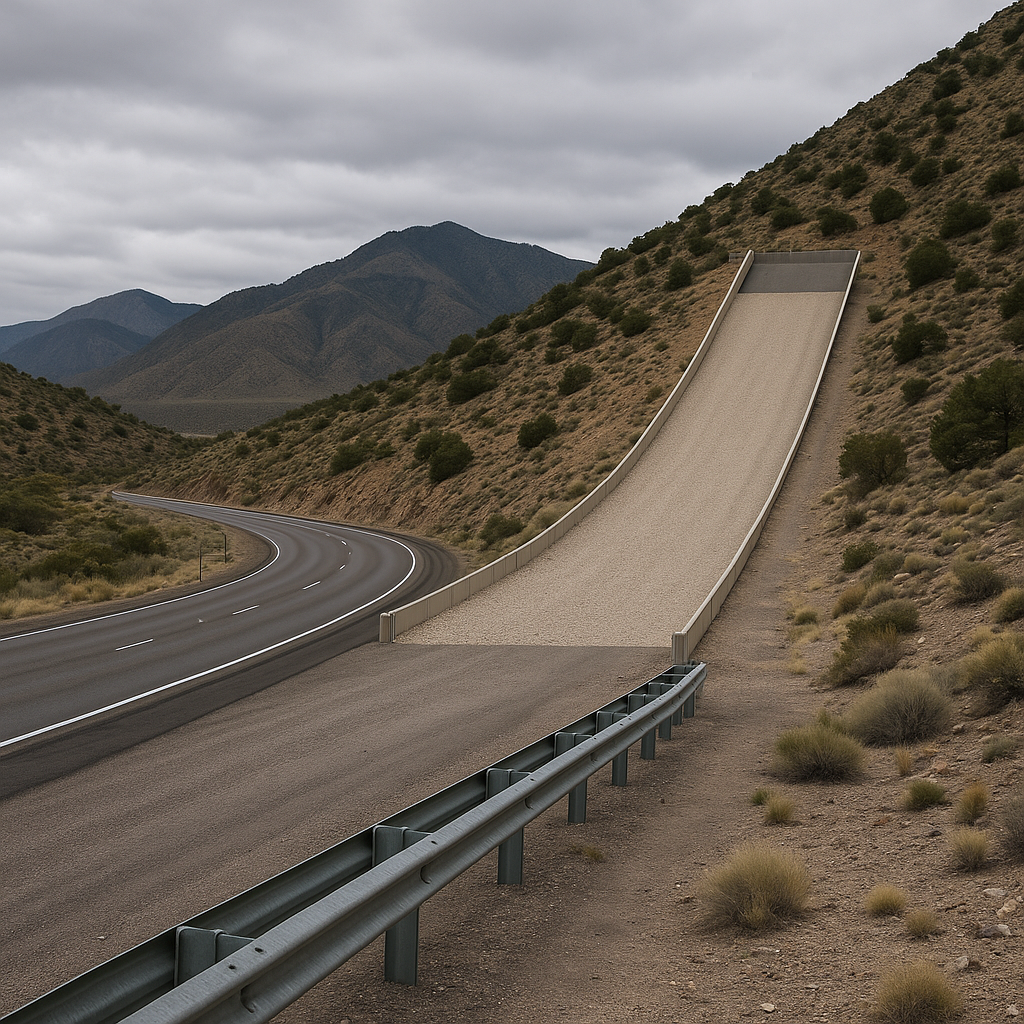
Nevada Runaway Truck Ramps and Where They Are Used
Nevada’s dramatic landscapes offer more than just spectacular scenery. Long, winding descents through mountain passes, sudden weather changes, and wide temperature fluctuations make truck travel uniquely challenging in the Silver State. To address these hazards, Nevada’s Department of Transportation has strategically installed runaway truck ramps—lifesaving lanes designed to keep vehicles and highway travelers safe when gravity, brakes, or weather decide to test a truck’s limits. In this article, we’ll explore the special road conditions that make these ramps necessary, the science behind how trucks are affected, why potential crashes can be particularly severe, Nevada’s seasonal patterns, and where these crucial safety features are located and most needed.
Overview of the Nevada Weather or Road Condition Factor
Nevada’s topography is as varied as its climate: from the snow-capped Sierra Nevadas bordering Lake Tahoe to the arid, sun-baked stretches along U.S. Route 95. Interstate highways such as I-80, I-15, and the notorious mountain routes like U.S. 50 (“The Loneliest Road in America”) and U.S. 93 cross elevations that can exceed 7,000 feet. A single journey might take a driver from the hot valley floor to steep mountain grades and back again—all within a few hours.
What makes Nevada roads especially challenging for trucks is the frequent combination of steep gradients and unpredictable weather. Descending a highway grade just west of Reno, a trucker may find themselves dealing with a sudden fog bank, black ice in winter, or high crosswinds in any season. Meanwhile, even in desert sections, unexpected summer downpours can lead to hydroplaning and decreased braking efficiency.
Long stretches between brake-check stations and limited emergency pull-off areas increase the reliance on well-sited runaway ramps. In these harsh and fluctuating conditions, effective infrastructure isn’t just about convenience—it’s a critical necessity.
How This Condition Affects Trucks Differently Than Cars
Trucks are marvels of engineering, but their mass and design mean they require far more planning to navigate Nevada’s rollercoaster roadways. An average passenger vehicle weighs around 4,000 pounds. By contrast, a fully loaded tractor-trailer can tip the scales at 80,000 pounds or more.
When descending a steep grade, a truck’s kinetic energy is immense. Drivers employ “engine braking” (using the vehicle’s transmission to slow down) and carefully manage their service brakes to prevent overheating. If a truck’s brakes become too hot—something much more likely during long, steep Nevada descents—they lose effectiveness, a phenomenon called “brake fade.” Once the brakes go, the consequences can be disastrous.
Compounding the danger, trucks have much longer stopping distances than cars. Even under ideal conditions, a heavy truck may take 20-40% more distance to come to a halt. When road surfaces are slick or visibility is limited, these differences are even more pronounced. What might be a minor inconvenience for cars can present a severe hazard for trucks—especially on Nevada’s steep, winding grades surrounded by unforgiving terrain.
Why Crashes Can Become Severe Under These Conditions
When a truck loses braking power on a steep Nevada downgrade, physics and geography conspire to magnify the risk. With the force of tens of thousands of pounds accelerating downhill, an out-of-control truck can reach dangerous speeds rapidly. The lack of alternative escape paths only adds to the peril.
Because of their size and speed, runaway trucks can cause chain-reaction crashes, cross highway medians, or run off the road entirely, sometimes overturning or colliding with natural rock formations, other vehicles, or roadside infrastructure. In major corridors such as I-80 through the Pequop Summit east of Wells or U.S. 50’s rugged passes just west of Austin, there’s little room for error, and emergency response can be delayed due to remoteness.
Severe crashes on these grades can wreak havoc not just on the truck and driver but on everyone sharing the road. Spills of hazardous materials, highway blockages, and extended closures can have wide-ranging repercussions, especially in isolated or extreme environments.
Common Seasonal Patterns in Nevada
Nevada’s climate is characterized by extremes that can swiftly change driving conditions. Winters bring heavy snowfall and icy surfaces, particularly in mountain areas like the Sierra Nevada or the Ruby Mountains near Elko. Wet or icy roads increase the risk of brake lockup, skidding, and reduced traction—problems exacerbated for loaded trucks descending steep grades.
Spring and autumn can feature rain, fogbanks, and fluctuating day-to-night temperatures, leading to black ice in early mornings or after sundown. The softening and hardening of the pavement can affect how much grip a tire gets, and roadside runoff can wash grit or debris into critical braking zones.
Summers are not without their own perils. High temperatures—often topping 100°F in the basins—can soften road surfaces and contribute to brake overheating. Intense desert thunderstorms can flood roadways and cause temporary landslides or mudflows, especially in canyons and passes.
These weather patterns inform where Nevada runaway truck ramps are used and how they are engineered. The most critical ramps are sited at the bottom or midway along long, steep grades—especially those with histories of truck accidents or brake failures. On I-80, for instance, there are several ramps strategically placed between major summits (such as east of Truckee, just past the California border, and near Pequop Summit). Along U.S. 50 and U.S. 6, ramps provide emergency protection anytime trucks encounter unexpected slickness, overheating brakes, or sudden storms.
Some notable Nevada runaway truck ramps include:
– Interstate 80 near Pequop Summit: One of the most critical, given the rapid elevation drop east of Wells, often coated in snow or ice during winter months.
– Interstate 580 near Mount Rose, south of Reno: This frequently used ramp helps trucks handle the dangerous descent toward Washoe Valley, especially when winter storms hit.
– U.S. 93 Alt near Ely: Built to address long, straight grades that tempt brake misuse.
– U.S. 50 west of Austin: Winding switchbacks and unpredictable weather have made several stretches candidates for emergency escape ramps.
Neutral Closing Paragraph
Nevada’s investment in runaway truck ramps highlights the importance of targeted infrastructure in safeguarding drivers against the state’s unique road and weather challenges. While these ramps are seldom used compared to the thousands of safe descents each year, their presence remains vital for preventing the rare but potentially catastrophic loss of truck control on steep grades. Awareness about where Nevada runaway truck ramps are used—and understanding the conditions that make them necessary—can encourage better planning and safer journeys for everyone sharing the road. Whether you drive a rig or a car, respecting the hazards of Nevada’s highways benefits every traveler.