Nevada SR-1 Crash Report Process Explained
Traffic accidents are an unfortunate reality on Nevada’s roads, from the bustling streets of Las Vegas to the quieter highways stretching across the state. Understanding how to properly navigate the Nevada SR-1 crash report process is critical for drivers, law enforcement agencies, and insurance providers alike. While the scope of traffic incident reporting can seem daunting, knowing the essential elements of the system can help ensure everyone involved fulfills their obligations efficiently and accurately.
Overview of Crash Response and Reporting Systems in Nevada
In Nevada, the process for managing motor vehicle accidents involves several coordinated steps meant to protect the public and ensure accurate records. The state has developed a specific system to address incidents ranging from minor fender-benders to more serious collisions—central to this system is the SR-1 crash report.
The Nevada SR-1 crash report, sometimes referred to as the “Report of Traffic Crash,” serves as a crucial document for accurately recording the details of an accident. This official report assists state agencies in tracking incident data, supports insurance investigations, and may factor into legal proceedings arising from the incident. Importantly, the SR-1 is not always completed at the scene—timelines and requirements vary depending on the nature of the crash, who responds, and the amount of property damage or injury involved.
Common Agencies and Reporting Steps
Multiple public agencies play vital roles in traffic incident management. The Nevada Department of Motor Vehicles (DMV) oversees the collection and archiving of SR-1 crash reports, working in cooperation with local police departments, the Nevada Highway Patrol, and sheriff’s offices. Local law enforcement typically serves as the front-line responders, providing on-scene assistance, securing the area, and gathering immediate information from those involved.
Their primary responsibilities include:
– Assessing the scene for ongoing hazards and administering first aid if needed.
– Collecting preliminary information from involved drivers, passengers, and witnesses.
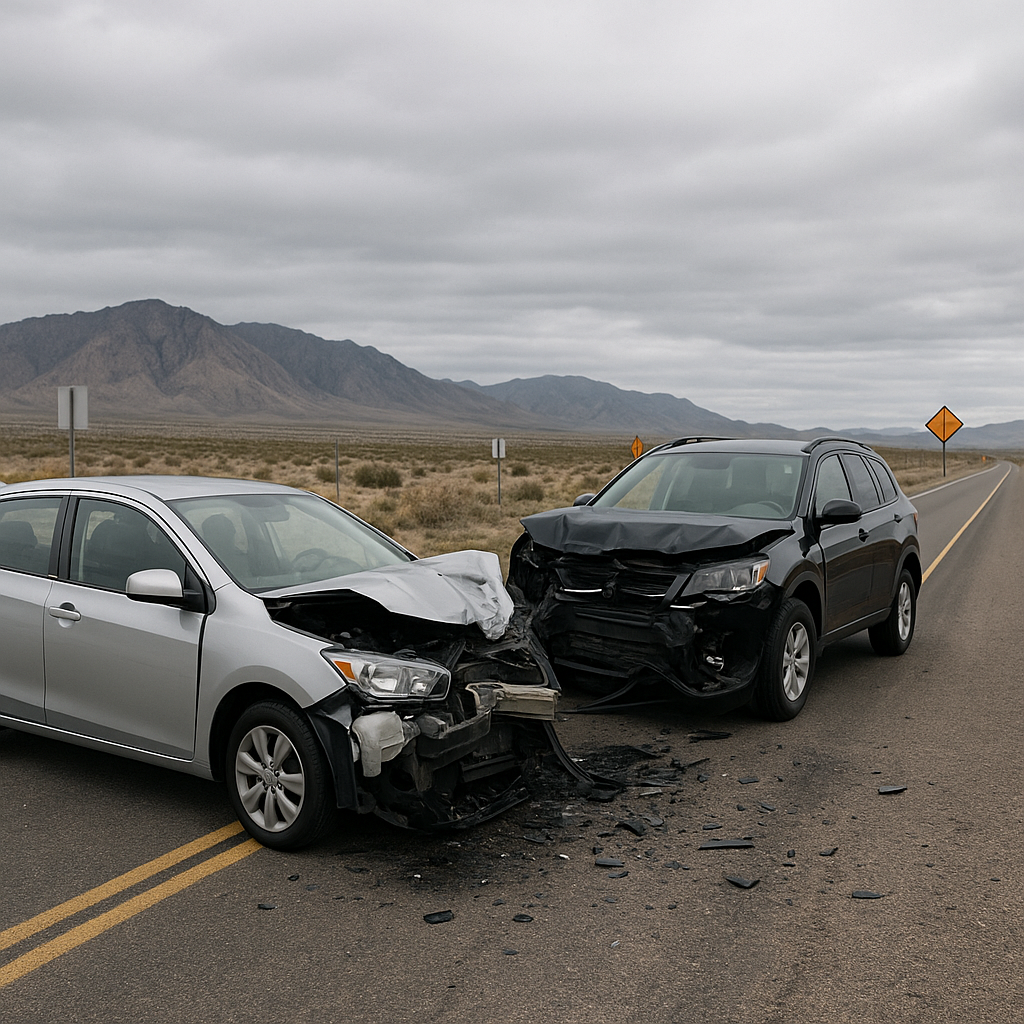
– Documenting visible evidence, such as vehicle damage, skid marks, and roadway conditions.
Depending on the outcome, first responder agencies may submit an initial incident report to the DMV or advise motorists about their responsibilities regarding the SR-1 form. The involvement of an agency like the Nevada Highway Patrol is notably common on state and interstate highways, while city police take the lead in municipalities, and county sheriffs cover unincorporated areas.
A key educational point is that the obligation to submit an SR-1 report can extend beyond law enforcement staff. In certain instances—especially when there is significant vehicle damage, injury, or death—motorists themselves may be responsible for filing a crash report with the DMV. Understanding when each party is required to complete documentation is vital for compliance and resolution.
Documentation Typically Involved
The documentation expected in the Nevada SR-1 crash report process is fairly standardized, aiming to capture a full picture of the incident. The information required includes, but is not limited to:
– Personal Identification Information: Names, addresses, driver’s license numbers, and insurance details for all involved drivers.
– Vehicle Information: License plate numbers, makes, models, and registration data for affected vehicles.
– Accident Description: Time, date, location, and prevailing weather or road conditions at the time of the crash.
– Injury Reports: Descriptions and extent of any injuries sustained, as well as identification of medical assistance rendered or required.
– Property Damage: Documentation of visible vehicle damage and any other affected property, like traffic signals, road signs, or private structures.
– Narrative and Diagrams: A written account of the events leading up to the collision and, in some cases, a diagram illustrating vehicles’ positions before and after the incident.
Official copies of the crash report are retained by the DMV and may be accessible to involved parties for insurance or legal purposes. The collected information serves several objectives: ensuring accurate record-keeping for future reference, supporting roadway safety initiatives, and substantiating funds or resources for infrastructure improvements.
Common Reporting Misunderstandings
Despite efforts to make the process transparent, confusion around Nevada’s SR-1 crash report process is common. Below are some of the most frequent misconceptions encountered:
1. Assuming Law Enforcement Submission Covers All Requirements:
Many individuals believe that if the police respond, all reporting requirements are automatically satisfied. While officers will generate incident documentation and submit reports in certain situations, there are instances where involved drivers may be independently required to file an SR-1 with the DMV—particularly if specified thresholds for property damage or injury are met and no official report is made at the scene.
2. Underestimating the Importance of Timeliness:
Another area of misunderstanding is the time frame for filing reports. Delays or failure to submit required documentation can lead to administrative complications, such as delays in insurance claims or even the suspension of driving privileges, depending on the circumstances. Prompt attention to required paperwork is essential.
3. Not Retaining Personal Documentation:
Some assume that once information is handed to authorities, no further record-keeping is needed. It’s educational to note the value in maintaining copies of all submitted forms and related documents (photos, witness statements, etc.), in case of later disputes or questions from insurers.
4. Not Realizing the Scope of Required Information:
Completing a crash report may appear straightforward, but missed or incomplete information can delay resolutions. Motorists sometimes overlook reporting minor injuries or property damages, not understanding these details may be crucial for full documentation and future reference.
Neutral Closing Paragraph
Navigating the Nevada SR-1 crash report process may seem challenging, but familiarity with its purpose and requirements helps foster safer roads and better outcomes for everyone involved. The combined efforts of state agencies, law enforcement, and responsible motorists contribute to an effective system that supports public safety, accountability, and accurate record-keeping. When questions about the process arise, consulting official resources and following agency guidelines ensures that the necessary steps are completed in accordance with Nevada’s established procedures.