
Nevada Truck Accident Patterns Involving Wide Turns: What You Need to Know
Overview of the Trend or Pattern
Truck accidents have always posed significant concerns on Nevada’s roadways, especially given the state’s growing role as a commercial transport hub connecting major West Coast cities with inland regions. Among the various types of collisions involving large trucks, accidents related to wide turns stand out as a persistent issue.
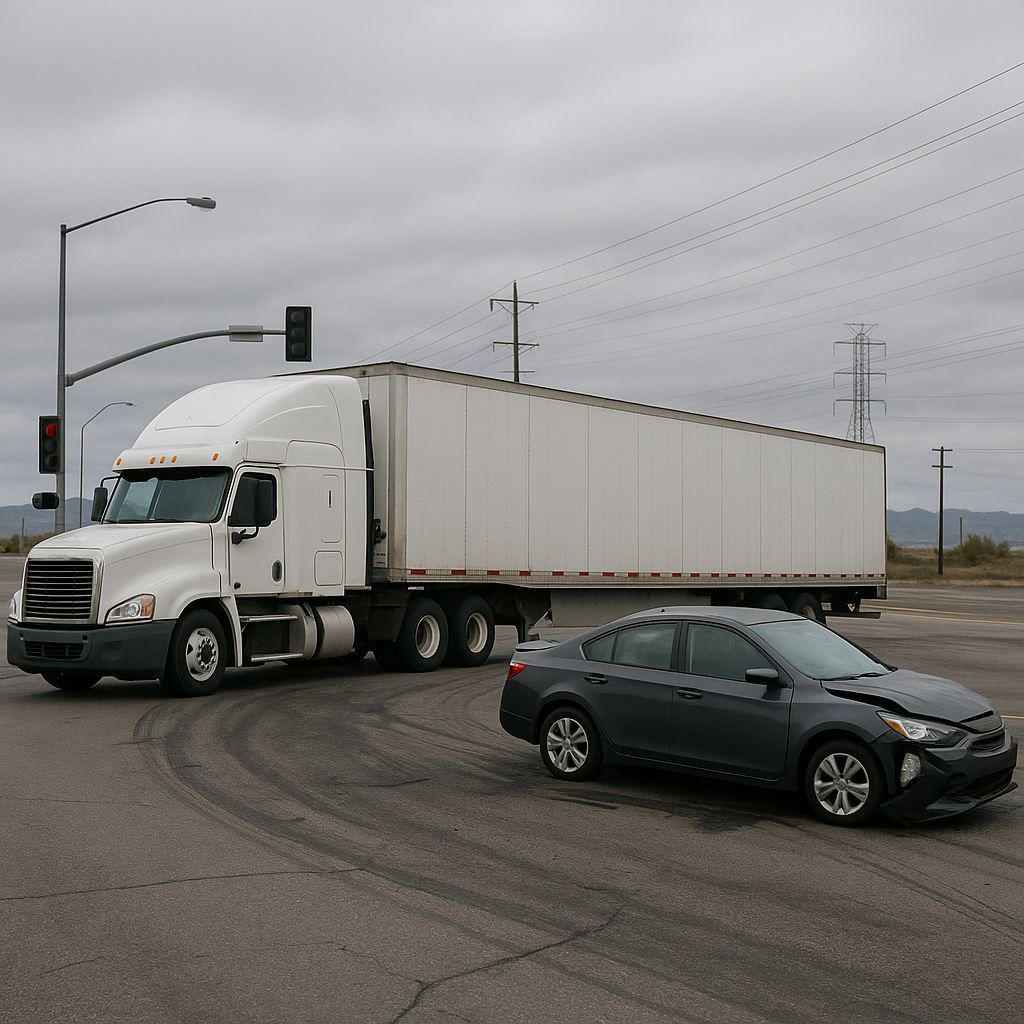
Wide turns occur when large trucks execute turns—especially right turns—that require a broader arc than passenger vehicles. Due to their size and turning radius, trucks often occupy more than one lane during these maneuvers, which can confuse or surprise nearby drivers. In Nevada, patterns of truck accidents involving wide turns have attracted attention as safety officials and transportation planners seek to understand contributing factors and reduce collisions.
Understanding these Nevada truck accident patterns involving wide turns is crucial, particularly in urban centers like Las Vegas and Reno, where traffic density is high and commercial truck activity is robust. Recognizing how and why these incidents happen can support safer road designs, informed driving, and more effective awareness campaigns.
Common Factors Behind the Pattern
Several factors contribute to the recurring pattern of truck accidents during wide turns in Nevada:
1. Unique Truck Dynamics and Turning Radius
Large commercial trucks inherently have a wider turning radius than passenger vehicles, requiring them to swing out into adjacent lanes. This “wide turn” is not an error but a physical necessity for maneuvering especially large rigs, such as semi-trailers and 18-wheelers. Drivers unfamiliar with this characteristic may misjudge the truck’s movement and try to pass or squeeze into spaces too small for safe truck navigation.
2. Urban Infrastructure and Roadway Design
Nevada’s urban landscapes, particularly in Las Vegas, often feature intersections with tight lane widths and limited turning radii. Older infrastructure may not accommodate the wide turns of modern trucks adequately, forcing trucks to encroach on adjacent lanes or shoulders when making turns. This physical limitation increases the risk of side-swipe collisions or conflicts with cyclists and motorcyclists who might be present in the “blind spot.”
3. Blind Spots and Limited Visibility
Truck drivers have significant blind spots, especially on the right side where wide turns typically occur. Passenger vehicle drivers may not realize that positioning their vehicles next to trucks in intersections or during turns places them in danger. In Nevada’s often sunny but sometimes glare-heavy conditions, visibility issues can worsen, making it harder to anticipate a truck’s maneuver.
4. High Commercial Traffic Volume
Nevada is a key corridor for freight moving between ports, distribution centers, and inland markets. The volume of commercial truck traffic is relatively high, especially near highway interchanges and urban freight hubs. More trucks executing turns create more opportunities for conflict with other road users, heightening accident rates involving wide turns.
5. Driver Fatigue and Training Gaps
Truck drivers’ long hours and demanding schedules in Nevada’s extensive freight network may contribute to fatigue, which can affect judgment and execution during critical driving maneuvers like wide turns. While truck driver training covers wide-turn procedures, inconsistencies in application or experience levels sometimes mean drivers misjudge turn timing or lane positioning, increasing accident risk.
Why Severity May Be Higher in Nevada Conditions
Several Nevada-specific conditions help explain why truck accidents involving wide turns might result in more severe outcomes:
1. Higher Speeds and Traffic Mix
Many Nevada highways and urban arterials have higher posted speed limits compared to other states. High-speed traffic combined with large trucks making wide turns reduces the margin for error. Collisions at higher speeds tend to cause greater vehicle damage, injuries, and fatalities.
2. Weather and Environmental Factors
Nevada’s climate is characterized by intense sunshine, occasional dust storms, and sudden precipitation changes, often affecting road surfaces and visibility. When combined with night driving, these factors can limit a driver’s ability to see trucks making wide turns and for truckers to adequately judge distances—raising the risk of high-impact collisions.
3. Roadway Complexity in Urban Centers
Intersections in cities such as Las Vegas and Reno can be congested and complicated, with multiple lanes, pedestrian crossings, and traffic signals. Trucks negotiating wide turns in these complex environments face numerous obstacles and other vulnerable road users. Accidents are more likely to be severe because of the density and diversity of traffic participants.
4. Emergency Response and Trauma Care Challenges
While Nevada has robust trauma centers, the vastness of the state and remote highway sections mean accident victims may not always receive immediate care following crashes. This delay can increase the severity of injuries sustained in truck-related wide-turn accidents.
How Patterns Change Over Time
Patterns of Nevada truck accidents involving wide turns have evolved and may continue shifting due to changes in technology, policy, and transportation behavior.
1. Impact of Technological Advancements
The adoption of advanced driver-assistance systems (ADAS) in trucks—such as collision warning, automatic emergency braking, and blind-spot detection—is beginning to influence wide-turn accident rates positively. These technologies can alert truck drivers when adjacent lanes or cyclists are in danger during turns, reducing collision chances.
2. Infrastructure Improvements and Design Updates
Nevada transportation agencies have increasingly recognized the need to redesign urban intersections and freight corridors to accommodate wide turns safely. Larger turning radii, dedicated turn lanes, and enhanced signage are being implemented, particularly in high-traffic zones, helping decrease conflicts between trucks and other road users.
3. Public Awareness and Training Efforts
Ongoing educational programs target both commercial drivers and passenger vehicle operators to improve understanding of truck dynamics, especially concerning wide turns. Awareness campaigns that instruct motorists on how to safely share the road with trucks in Nevada have gained momentum, potentially affecting accident trends over time.
4. Shifts in Freight Movement and Traffic Volume
E-commerce growth and changes in freight patterns influence the density and timing of truck traffic in Nevada. While an increase in truck volume might elevate exposure risk, more regulated routes and improved logistics could optimize movement and reduce accident hotspots involving wide turns.
Closing Thoughts
Understanding Nevada truck accident patterns involving wide turns is an important step toward fostering safer roadways for all users. The nature of wide turns—requiring large trucks to occupy multiple lanes—creates unique challenges that must be addressed through a combination of infrastructure design, driver education, and technological innovation.
While some risk factors are inherent in the size and operation of commercial trucks, Nevada’s ongoing efforts to adapt road layouts, improve traffic management, and promote awareness show promising potential to reduce accidents. Everyday drivers can also contribute to safety by being mindful of trucks’ limitations when navigating intersections.
By staying informed about these patterns and recognizing the specific challenges presented by Nevada’s road environments, communities and policymakers can work together to enhance transportation safety and reduce the toll of truck collisions involving wide turns.