
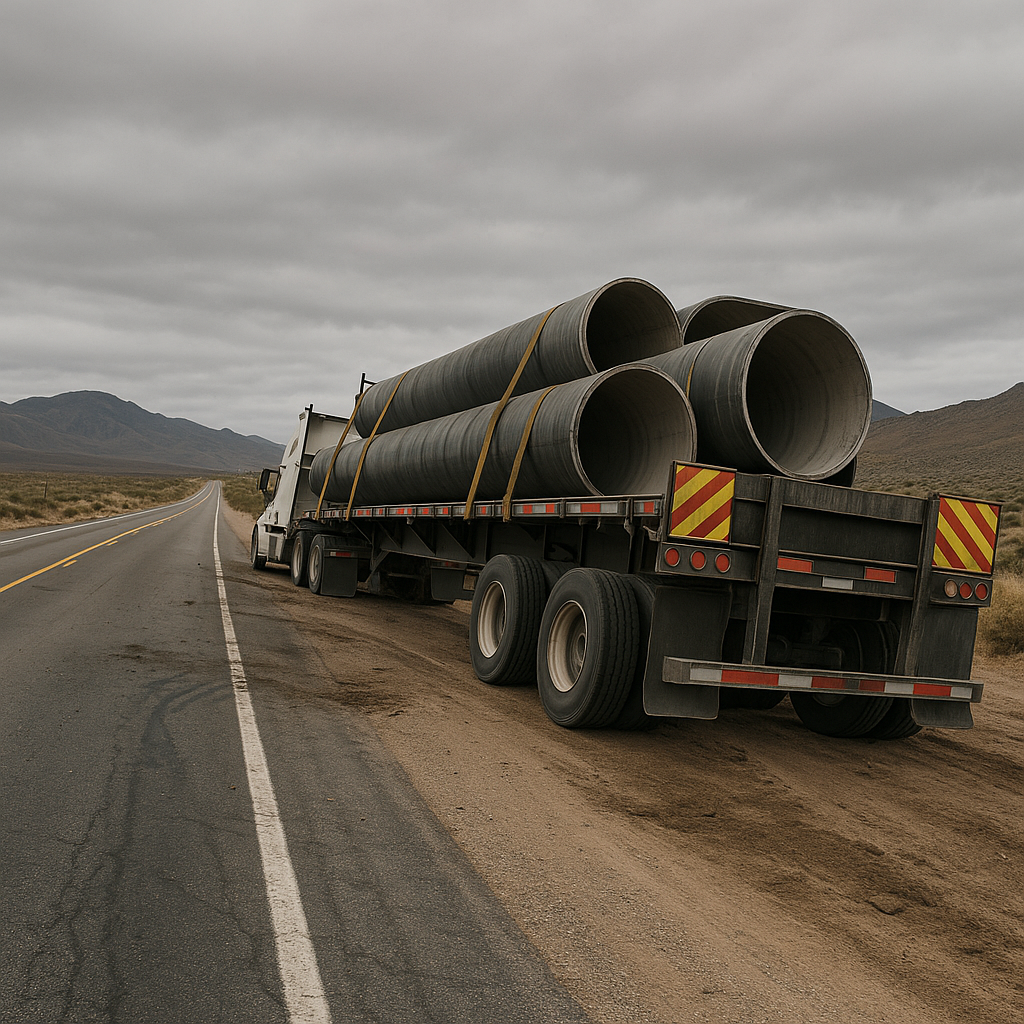
Nevada Truck Crash Trends Involving Oversized Loads Reveal Rising Safety Concerns
Overview of the Trend or Pattern
Nevada, with its vast stretches of highways and increasing freight transportation demands, has seen a notable rise in truck crash incidents involving oversized loads. Oversized loads—defined as freight exceeding the standard legal size or weight limits—are a common sight on Nevada’s interstates and rural highways, reflecting the state’s strategic role as a transportation corridor linking the West Coast to the interior of the country.
Recent observations indicate that Nevada truck crash trends involving oversized loads have captured the attention of transportation safety officials and the public alike due to their complex nature and potential for severe outcomes. Oversized trucks present unique challenges on Nevada’s roadways, as their large footprints and weight dynamics require specialized handling and infrastructure accommodation. As freight volumes increase, so does the frequency and severity of crashes involving these heavy haulers.
Several factors contribute to this emerging safety concern. Oversized loads require precise routing, permits, and often escort vehicles, yet compliance and enforcement can be inconsistent. Meanwhile, Nevada’s diverse geography—from heavily trafficked urban interstates to remote desert highways—creates varying hazards for drivers and operators of oversized trucks. The convergence of these elements has led to a discernible pattern of increased incidents, prompting calls for deeper analysis and enhanced safety measures.
Common Factors Behind the Pattern
Understanding why oversized load truck crashes occur with growing frequency in Nevada involves exploring several common contributing factors:
1. Complexity of Maneuvering Oversized Loads
Oversized loads have limited maneuverability due to their dimensions and weight. Navigating sharp curves, tight freeway on-ramps, narrow bridges, and urban sections poses significant challenges. Nevada’s highways, especially in rural or mountainous areas, feature stretches that can be difficult to navigate safely with such large vehicles.
2. Route and Permit Issues
Oversized loads require special permits and designated routes. Incorrect or hastily planned routes may force trucks onto secondary roads, which are often less maintained and narrower, elevating crash risk. The process of securing permits can also be time-sensitive, pushing some operators to take risky shortcuts or venture into unsuitable areas.
3. Driver Fatigue and Experience
Operating oversized trucks demands skill and alertness. Nevada’s vast distances between cities, long shifts, and limited accommodations for truck drivers can contribute to fatigue. In some cases, less experienced or inadequately trained drivers may be assigned to handle oversized loads, increasing the odds of errors leading to accidents.
4. Weather and Road Conditions
Nevada’s weather varies from scorching desert heat to sudden snowstorms in higher elevations. These conditions can affect road surfaces, visibility, and vehicle handling, particularly for oversized trucks whose clearance and control margins are narrower. Sudden weather changes also challenge the timing of load movements and increase accident potential.
5. Increased Freight Traffic
As Nevada’s economy grows, especially with expansion in sectors like construction, mining, and logistics, oversized load movements have correspondingly increased. More trucks on the road—many carrying heavy or oversized cargo—create crowded conditions and higher interaction risks with passenger vehicles.
Why Severity May Be Higher in Nevada Conditions
Crashes involving oversized loads often result in more severe outcomes than typical truck accidents, and this severity is amplified in Nevada’s specific environment and infrastructure characteristics.
1. High Speeds on Nevada’s Freeways
Nevada highways, such as Interstate 15 and Interstate 80, often have higher speed limits compared to many states, reflecting their design and sparse population densities. When an accident involves an oversized load traveling at these speeds, the sheer momentum magnifies crash impact forces, increasing the likelihood of vehicle rollovers, cargo spills, and secondary crashes.
2. Limited Emergency Services Access in Remote Areas
In Nevada’s rural desert regions, emergency medical services and first responders may face delays reaching crash sites. The remoteness complicates timely medical intervention and traffic management, which can exacerbate the consequences of accidents involving large, cumbersome vehicles.
3. Roadway Infrastructure Limitations
While Nevada invests heavily in highway infrastructure, some bridges, road shoulders, and overpasses were not originally designed to accommodate the growing volume and size of oversized commercial vehicles. Infrastructure stress or deficiencies can contribute directly or indirectly to crashes or severe damage during collisions.
4. Hazardous Cargo and Environmental Risks
Certain oversized loads carry hazardous materials or heavy machinery essential to Nevada’s industrial activities. When involved in crashes, the spills or mechanical failures may pose environmental hazards, complicate cleanup efforts, and increase dangers to bystanders and responders.
5. Night-Time and Low Visibility Conditions
Nevada’s vast open spaces and desert terrain can produce visibility challenges such as glare, dust storms, or darkness with limited street lighting. Oversized loads traveling at night may be less visible to other motorists, elevating crash risk and severity.
How Patterns Change Over Time
Analyzing Nevada truck crash trends involving oversized loads across recent years reveals evolving dynamics with implications for highway safety strategies.
1. Growth of Oversized Freight Movement
With economic growth in sectors like renewable energy, mining, and large infrastructure projects, the volume of oversized loads has steadily increased. This upward trajectory of cargo size and frequency presents ongoing challenges for enforcement, monitoring, and infrastructure capacity.
2. Technological Advances Impacting Safety
There is increasing adoption of technology such as GPS tracking, automated escort vehicles, and enhanced permit management systems designed to improve route planning and safety compliance for oversized loads. Over time, such advances may help reduce incidents, though widespread adoption and integration require time and regulatory support.
3. Regulatory Adjustments
Nevada’s transportation authorities periodically revise regulations related to oversized loads, including permit processes, route designations, and speed limits. These changes influence crash patterns by either tightening safety controls or adapting to industry demands. Close monitoring of crash data informs these regulatory decisions.
4. Infrastructure Improvements
Investment in highway modernization, including bridge reinforcements, expanded shoulders, and better signage for oversized vehicle routes, gradually affects crash rates. Over time, these improvements aim to reduce conflict points and enhance safety margins.
5. Public Awareness and Training
Efforts to raise awareness among commercial drivers, oversight agencies, and the general public about oversized load risks are evolving. Enhanced driver training programs, public service campaigns, and stakeholder collaboration indicate a shift toward proactive safety culture.
Despite these positive changes, the increasing size and frequency of oversized loads suggest that Nevada’s truck crash trends will continue to be an area requiring vigilant attention, innovation, and resource allocation.
Conclusion
The rise in Nevada truck crash trends involving oversized loads highlights a complex interplay of factors unique to the state’s geography, economic growth, and transportation infrastructure. Oversized truck crashes tend to be more severe and pose broader risks to road safety and emergency response systems.
While ongoing technological, regulatory, and infrastructure improvements offer promising avenues to mitigate these risks, the rapid pace of oversized freight movement underscores the need for continued vigilance and adaptive safety strategies. Understanding the nuances behind these trends allows policymakers, industry stakeholders, and the public to better address the challenges posed by oversized loads on Nevada’s highways—helping to foster a safer transportation environment for all road users.