
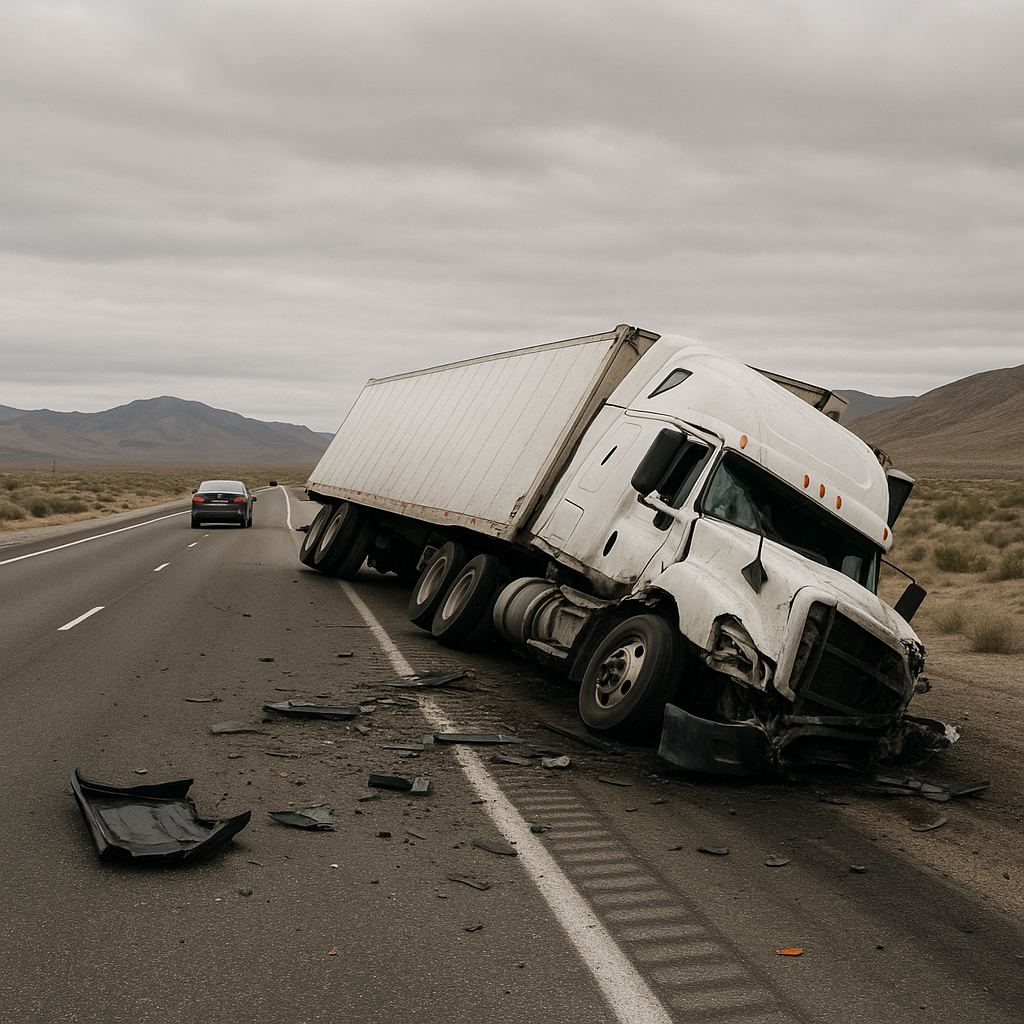
Nevada Trucking Crash Patterns Out of State Drivers Reveal Alarming Trends
Overview of the Trend or Pattern
Nevada, a crucial nexus in the United States’ interstate trucking network, has recently experienced increasing scrutiny regarding trucking crashes involving out-of-state drivers. As a state positioned between the West Coast and the interior regions of the country, Nevada’s highways—most notably Interstate 15, Interstate 80, and US Route 95—serve as vital corridors for commercial freight traffic. While trucking is a backbone of the state’s economy and national supply chains, emerging data and traffic reports reveal concerning Nevada trucking crash patterns out of state drivers that warrant attention.
These patterns indicate a disproportionate involvement of out-of-state truck drivers in commercial vehicle crashes within Nevada. Though truck crashes are multifaceted, recent trends show that drivers unfamiliar with Nevada’s unique roadway features and environmental conditions may face heightened risks. This dynamic raises critical questions about safety, regulatory enforcement, and driver preparedness on Nevada’s terrain and roads.
Understanding these patterns helps state authorities, trucking companies, and public safety advocates develop targeted interventions to improve traffic safety for all road users.
Common Factors Behind the Pattern
Several key factors contribute to the distinct crash patterns associated with out-of-state truck drivers in Nevada:
1. Familiarity with Nevada’s Roadway Environment
Many out-of-state truckers traverse Nevada’s highways as part of long-haul routes but might lack specific knowledge of Nevada’s road geography and design. For example, certain sections of interstate highways and mountain passes feature steep grades, winding roads, and high elevation changes uncommon in flat or urban areas found in other parts of the country. These topographical challenges demand different driving techniques and vehicle handling approaches that out-of-state drivers may not routinely practice.
2. Navigation Challenges and Signage Familiarity
Navigational issues also play a role. Nevada’s rural expanses and desert stretches present fewer landmarks and long distances between services, which can lead to disorientation for drivers unfamiliar with the region—especially without proper route planning tools. Misinterpretation of road signs or missed exits can result in unsafe lane changes or abrupt stops, increasing the likelihood of incidents.
3. Variable Weather and Visibility Conditions
Nevada’s weather patterns can add complexity. Sudden sandstorms, high winds, and extreme heat create hazardous driving conditions that surprise some out-of-state drivers, who may not be accustomed to adjusting their driving to these unique environmental factors. Fog and icy conditions in northern Nevada’s higher elevations can exacerbate risks during certain seasons.
4. Fatigue and Long-haul Driver Stress
Out-of-state truckers often engage in extended hours behind the wheel, covering multiple state lines daily. Persistent fatigue and stress can impair judgment and reaction times, particularly when combined with the demanding driving conditions inherent to Nevada’s roadways.
5. Variable Compliance with Local Regulations
Differences in state traffic laws and enforcement practices may contribute to inconsistent compliance. Nevada’s specific trucking laws, such as speed limits tailored for heavy vehicles or restrictions on certain load types in mountainous regions, may not be fully understood by drivers who are new to the area, inadvertently leading to situations that increase crash risk.
Why Severity May Be Higher in Nevada Conditions
In Nevada, the consequences of trucking crashes involving out-of-state drivers frequently tend to be more severe due to several interrelated factors:
1. High Speeds on Open Highways
Nevada’s highways, especially in rural areas, encourage higher speeds thanks to long, straight stretches and less congested conditions compared to urban corridors. Higher speeds amplify both the likelihood and impact of crashes, particularly when a heavy tractor-trailer is involved. Out-of-state drivers unfamiliar with sections where speed reduction is necessary (such as steep downhill grades) may misjudge safe operating speeds.
2. Challenging Terrain and Road Geometry
Icy mountain passes in northern Nevada and steep rocky descents on Interstate 15 near Mesquite create environments where loss of vehicle control can have catastrophic outcomes. Trucks rolling over or jackknifing on these terrains lead to severe accidents, often affecting surrounding traffic and sparking large-scale emergency responses.
3. Sparse Emergency Services in Rural Areas
Many crash sites occur in Nevada’s less populated areas, where emergency response times are longer due to geographic distance from first responders. Delayed medical attention can exacerbate injury severity and increase fatality rates following accidents involving large trucks.
4. Load and Cargo Hazards
Nevada serves as a transit route for various hazardous materials and oversized loads. When accidents involve incorrectly secured or unstable cargo, the risks of fires, hazardous spills, and complex rescue operations increase markedly. Out-of-state drivers who may not be versed in Nevada-specific load restrictions can inadvertently contribute to more dangerous crash scenarios.
How Patterns Change Over Time
Nevada trucking crash patterns involving out-of-state drivers have evolved in response to several dynamic factors:
– Increased Freight Volumes: As the national economy fluctuates and demand for goods rises, increased commercial traffic through Nevada magnifies exposure to collision risk. The growth of e-commerce and just-in-time delivery models have heightened reliance on trucking lanes crossing Nevada, thereby increasing the sheer volume of both out-of-state and local drivers.
– Technological Adoption: Advances in GPS navigation, electronic logging devices (ELDs), and truck safety systems aim to mitigate crash risks. However, adoption rates vary, especially among smaller trucking firms or independent drivers crossing multiple states, which means the impact on crash patterns has been uneven.
– Infrastructure Improvements: Nevada has periodically upgraded certain highways, adding climbing lanes, improved warning systems, and enhanced lighting. These upgrades have helped reduce accidents in some areas but have not fully eliminated crash spikes related to unfamiliar terrain and driver inexperience.
– Regulatory Focus and Enforcement: Increased collaboration between states and federal agencies regarding trucking safety regulations, coupled with more frequent roadside inspections and compliance checks, influence enforcement consistency. As regulations evolve, crash patterns may shift reflecting changes in driver behavior and operational practices.
– Impact of External Events: Factors such as extreme weather events, highway construction projects, or changes in supply chain routes can cause temporary fluctuations in crash frequency and severity. For example, detours or route closures force some out-of-state truck drivers onto less familiar secondary roads, sometimes leading to increased crash risk.
Neutral Closing Paragraph
Understanding the complex dynamics behind Nevada trucking crash patterns out of state drivers provides valuable context for improving highway safety measures across the state. While the participation of out-of-state truck drivers in collisions is influenced by a variety of geographic, regulatory, and operational factors, ongoing efforts to enhance driver education, infrastructure, and enforcement continue to play a crucial role in mitigating risks. As Nevada remains a vital artery in the national transportation system, cooperation among trucking companies, regulatory bodies, and local communities will be key to fostering safer roads for all users. Recognizing and adapting to evolving crash patterns ensures that Nevada’s freight corridors remain both efficient and secure in the years ahead.