
Nighttime Truck Accident Trends Nevada: What You Need to Know
Overview of the Trend or Pattern
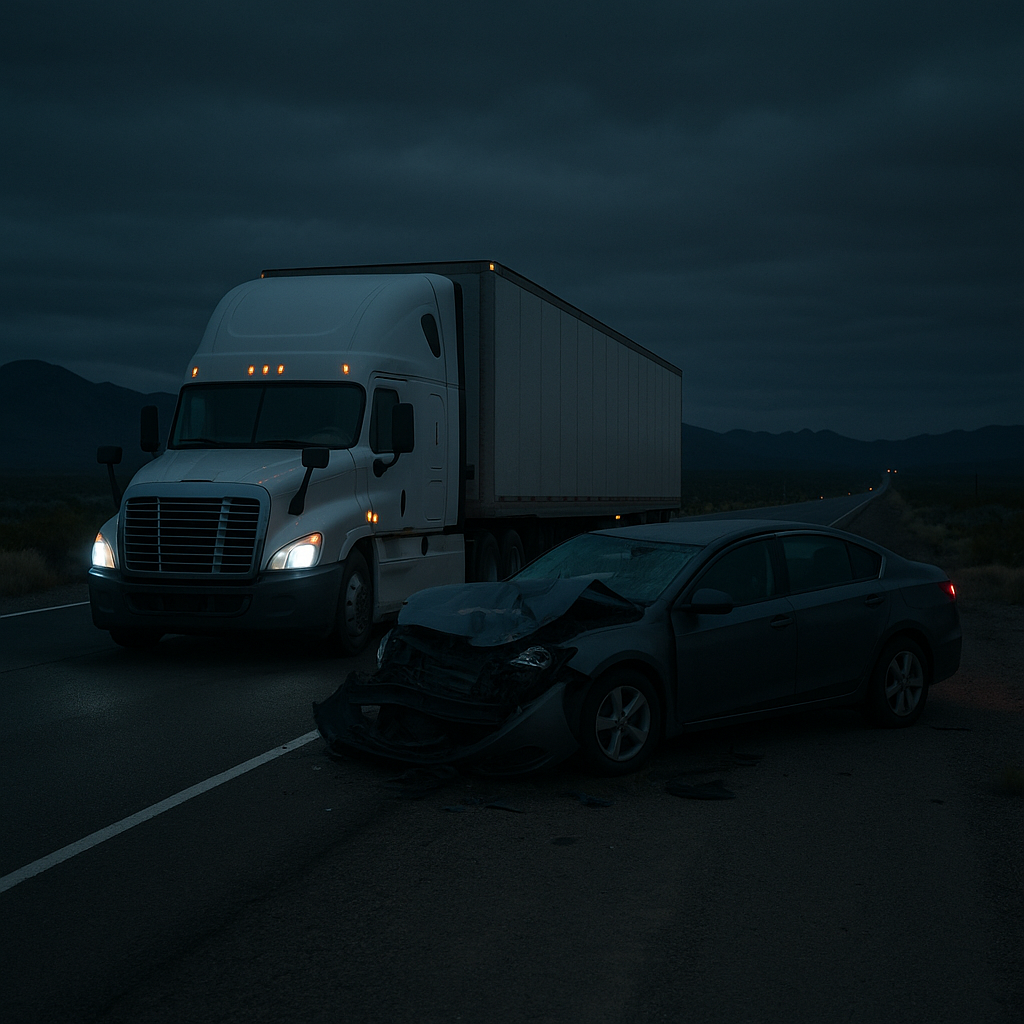
Nighttime truck accidents have been an ongoing concern across the United States, and Nevada is no exception. As a state known for its expansive highways, desert landscapes, and significant freight traffic — especially along I-15 and I-80 corridors — Nevada experiences distinct patterns related to truck accidents after dark. Understanding these patterns is crucial for drivers, policymakers, and public safety officials alike.
In Nevada, the frequency of truck accidents at night shows a notable pattern linked to both the unique geography and the nature of commercial freight transportation in the state. Nighttime driving conditions inherently carry additional risks compared to daytime operations, but certain factors specific to Nevada contribute to these risks being more pronounced.
Data from the Nevada Department of Transportation (NDOT) and various traffic safety reports indicate that a significant portion of serious truck-involved crashes occur during nighttime hours. This trend warrants careful examination, given Nevada’s reliance on trucking for commercial goods movement and the potential consequences of these accidents on public health and commerce.
Common Factors Behind the Pattern
Several common factors contribute to nighttime truck accident trends in Nevada, many of which are consistent with national patterns but influenced by regional characteristics.
1. Reduced Visibility
Nighttime conditions inherently limit visibility, making it harder for truck drivers to see road hazards, other vehicles, pedestrians, or animals. Nevada’s vast stretches of rural highways, often with minimal street lighting, exacerbate this challenge. Mountainous terrain and desert landscape shadows can further obscure objects on or near the road.
2. Driver Fatigue
Long-haul truck drivers frequently operate on tight schedules, sometimes driving late into the night. Fatigue is a widely documented factor in truck accidents, and studies highlight that the risk of fatigue-related crashes escalates during night hours. This is particularly relevant in Nevada, where interstate freight routes attract many cross-country haulers who push through the night to meet delivery deadlines.
3. Speeding and Driver Behavior
Darkness may encourage some drivers to speed, especially on Nevada’s open highways where traffic is lighter at night. Speeding increases the likelihood of accidents and exacerbates the severity when collisions occur. Additionally, impaired driving — though less common among commercial drivers due to regulations — remains a factor in some nighttime incidents.
4. Wildlife Encounters
Nevada’s rural and desert environments mean that animals such as deer, elk, and other wildlife frequently cross highways. At night, these encounters are harder to detect, increasing the risk of collisions, particularly for large trucks that cannot stop as quickly as smaller vehicles.
5. Weather Conditions
While Nevada is known for dry conditions, certain seasons bring fog, rain, or icy patches, especially in mountainous regions. Nighttime weather effects can further reduce visibility and road traction, elevating the risk of accidents involving trucks.
Why Severity May Be Higher in Nevada Conditions
Nighttime truck accidents tend to be more severe in Nevada for several reasons linked to road environment, vehicle characteristics, and emergency response factors.
1. High Speeds on Open Highways
Nevada roads like I-15 and I-80 are often long, straight stretches where both passenger and commercial vehicles travel at high speeds. When a truck crash occurs at night on these highways, the energy involved in the collision is typically greater, leading to more serious injuries and fatalities.
2. Limited Nearby Services
Many nighttime crashes in Nevada happen in remote areas far from hospitals or emergency facilities. This geographic isolation can delay medical response and care, increasing the likelihood of severe outcomes for injured individuals.
3. Size and Weight of Trucks
Commercial trucks are substantially heavier and larger than passenger vehicles. When involved in nighttime collisions, the impact forces are amplified, and the potential for catastrophic damage is higher. Nevada’s trucking industry, which includes many large freight haulers, inherently faces this increased risk.
4. Roadway Design and Terrain
Some sections of Nevada highways include challenging terrain, such as mountainous passes, curves, and elevation changes. At night, navigating these areas becomes more difficult. Loss of control or failure to negotiate curves can lead to rollovers or collisions with fixed objects, often with dire consequences.
5. Driver Fatigue Impacting Judgment and Reaction Time
Fatigued truck drivers experience slower reaction times and impaired judgment, which can transform a minor hazard into a severe crash. In Nevada’s nighttime trucking environment, this is especially concerning given the length of some freight routes and limited rest options.
How Patterns Change Over Time
Nighttime truck accident trends in Nevada are not static; they vary based on economic, infrastructural, regulatory, and technological changes.
Economic and Freight Volume Influences
Economic cycles impact the volume of goods transported by truck. During periods of increased commerce, such as economic expansions, more trucks operate on Nevada roads, leading to a possible rise in nighttime accidents simply due to higher traffic density. Conversely, economic slowdowns tend to reduce freight volumes and may correspond with fewer accidents.
Infrastructure Improvements
Nevada has undertaken roadway upgrades and safety improvements aimed at reducing accidents, including better lighting installations on key routes, improved road markings, and enhanced signage. Over time, these improvements influence accident patterns positively, potentially helping to reduce nighttime crashes or mitigate their severity.
Changes in Regulations and Enforcement
Federal and state regulations around driving hours, rest requirements, and vehicle safety inspections evolve and have an impact on accident trends. Policies designed to prevent driver fatigue and improve vehicle maintenance can lead to declines in nighttime truck accidents. Enhanced law enforcement efforts targeting speeding and impaired driving may also alter accident patterns.
Emerging Technology
Advances in vehicle technology, such as collision avoidance systems, automatic emergency braking, and enhanced night vision aids, have begun to make an impact in the trucking industry. As these technologies become more widespread among Nevada’s trucking fleet, nighttime accident rates may decline or become less severe.
Traffic Volume Patterns and Demographic Changes
Shifts in population distribution and traffic patterns also affect where and when accidents occur. Growth in urban areas like Las Vegas and Reno changes trucking routes and nighttime traffic flow, which may redistribute risk geographically.
Final Thoughts
Understanding nighttime truck accident trends in Nevada requires a multi-faceted look at factors ranging from driver behavior and environmental conditions to infrastructure and technological advancements. While nighttime truck accidents pose serious risks, ongoing monitoring and interventions by transportation agencies contribute to incremental safety gains.
For drivers sharing Nevada’s highways with large trucks, increased awareness of nighttime hazards is key to improving safety. Staying alert, anticipating the challenges of driving at night, and respecting commercial vehicle operations help create a safer environment for everyone on the road.
As Nevada continues to grow and evolve as a transportation hub, focused efforts on addressing nighttime truck accident risks remain an important part of the state’s broader road safety strategy.