
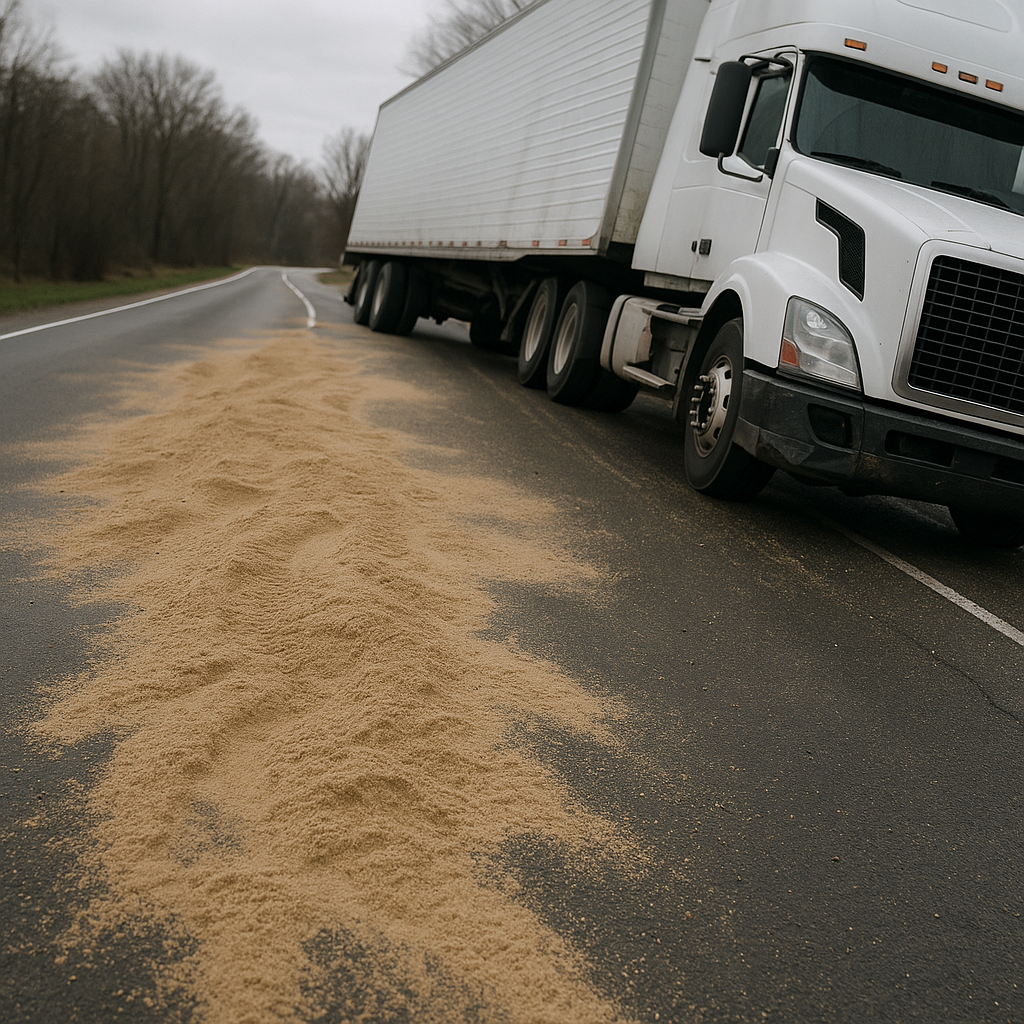
Sand on the Road and Semi Truck Accident Risk in Nevada
Overview of the Nevada Weather or Road Condition Factor
Nevada’s diverse landscape is synonymous with vast deserts, rolling mountain ranges, and broad stretches of highway. While its natural beauty draws tourists and residents alike, Nevada’s climate presents unique challenges for anyone traveling its road network—especially when it comes to the ever-present risk created by sand on the road. Unlike rain, snow, or ice, which are often short-lived and anticipated by most drivers, sand can accumulate on Nevada highways throughout the year. Whether blown onto the road by the powerful winds sweeping through the Mojave or dislodged during a period of drought, this granular hazard has significant implications for road safety, particularly for the large semi trucks that dominate commercial transport across Nevada.
How This Condition Affects Trucks Differently Than Cars
While both cars and trucks are at risk when encountering sand on the road, semi trucks face unique challenges that can elevate the accident risk considerably. Understanding these differences is essential to grasping why big rigs are so vulnerable under such conditions.
Weight and Momentum
Semi trucks can weigh up to 80,000 pounds when fully loaded, which is exponentially heavier than the average passenger vehicle. This weight, coupled with high momentum, makes trucks much harder to stop or redirect, even under ideal conditions. When sand is present, traction is severely compromised, making it even more difficult for trucks to slow down in a controlled manner or to steer safely around obstacles.
Surface Contact and Traction
Unlike passenger vehicles, which have four tires, semi trucks have up to eighteen. While more tires might suggest better grip, the reality is more complex. The greater contact area means more places for sand to interfere between the rubber and the road, further reducing friction and making it easier for wheels to lose contact entirely—causing skidding, jackknifing, or overturning, especially during sudden maneuvers or braking.
Load Shifting
Semi trucks often carry heavy cargo, and the distribution of this load is critical to maintaining stability. When a truck moves over a sandy patch at highway speeds, abrupt loss of traction can cause the load to shift. If the cargo is not secured properly or if the sand is encountered while changing lanes or turning, it can throw the truck off balance and trigger a rollover.
Increased Stopping Distance
Sand reduces the coefficient of friction between the tires and the pavement. For a semi truck already requiring longer stopping distances than cars under normal conditions, sand can multiply this distance several times over. Even with the most attentive and skilled driver, the physical properties of sand limit how fast a truck can safely decelerate, often leading to rear-end or multi-vehicle collisions if traffic ahead slows unexpectedly.
Why Crashes Can Become Severe Under These Conditions
Nevada’s highways are corridors of commerce, often seeing long lines of semi trucks and passenger vehicles traveling at high speeds. Several factors contribute to the potential severity of crashes involving sand on the road:
Loss of Vehicular Control
When a semi truck loses traction, even momentarily, there is an increased risk of the driver losing control. Sand can almost act as ball bearings under heavy tires, especially during turning or evasive actions, causing the truck to slide, fishtail, or overturn. If this happens on a busy highway, the truck may cross into other lanes or oncoming traffic, escalating the chance for a catastrophic multiple-vehicle pileup.
Jackknifing and Rollovers
Jackknifing is a scenario unique to tractor-trailer combinations, where the cab and trailer fold in towards each other at a sharp angle. Sand-induced skidding is a common trigger for this phenomenon. Rollovers are also more likely when a truck encounters uneven patches of sand at a curve or while attempting to recover from a skid.
Size and Force
The sheer size and weight of a semi truck mean that when a crash does occur, the results are often far more severe than accidents involving only passenger vehicles. A truck sliding out of control on sand can act as a battering ram—causing extensive property damage as well as significant risk for severe injury or fatalities among motorists and passengers.
Delayed Emergency Response
In remote areas of Nevada, stretches of highway can go on for dozens of miles without services or cell reception. If sand causes a crash in such a region, emergency response times may be longer, which can increase the risk of secondary accidents and delay life-saving assistance to injured individuals.
Common Seasonal Patterns in Nevada
Though sand on the road is a year-round hazard in the Silver State, its occurrence and impact fluctuate with Nevada’s distinct seasonal and weather patterns.
Spring and Early Summer: Wind Events
The spring months are notorious for strong, gusty winds in many parts of Nevada. These winds can pick up substantial amounts of sand and dust from the surrounding desert, depositing thick layers onto roadways—especially those running through open valleys near the Great Basin, the Mojave Desert, or other arid regions. During this season, sudden dust storms may also reduce visibility simultaneously with traction.
Drought and Prolonged Dry Spells
Nevada’s climate is naturally dry, but during periods of extended drought, loose sand is more prevalent along highway shoulders and in construction zones. Without regular rain to compact it or wash it away, this sand can linger—creating hazardous conditions for weeks or months at a time.
After Flash Floods
Interestingly, heavy but brief rainstorms—common to Nevada—can mobilize and deposit sand from washes and dry riverbeds onto road surfaces. When the water recedes, the sand remains, sometimes concealed until drivers encounter it unexpectedly.
Road Construction Season
Road maintenance or expansion projects are typically scheduled during Nevada’s warm season, as this is when weather conditions allow for the most work. However, construction often involves moving earth and gravel, which can leave sand and other debris at the edges or even in the center of roadways, further increasing risk.
Neutral Closing Paragraph
Sand on the road is an often-overlooked but significant risk factor for semi trucks navigating Nevada’s extensive highway system. This hazard, shaped by the state’s unique blend of climate, topography, and weather patterns, places heavy demands on both professional drivers and the individuals tasked with maintaining safe roads. Having a greater understanding of how sand affects large trucks—along with the times of year and regions most prone to these conditions—can help drivers and road planners take proactive steps to mitigate risk. By recognizing and respecting the challenges that sand presents, Nevada’s highways can remain safer for everyone who travels them, now and in the years to come.