
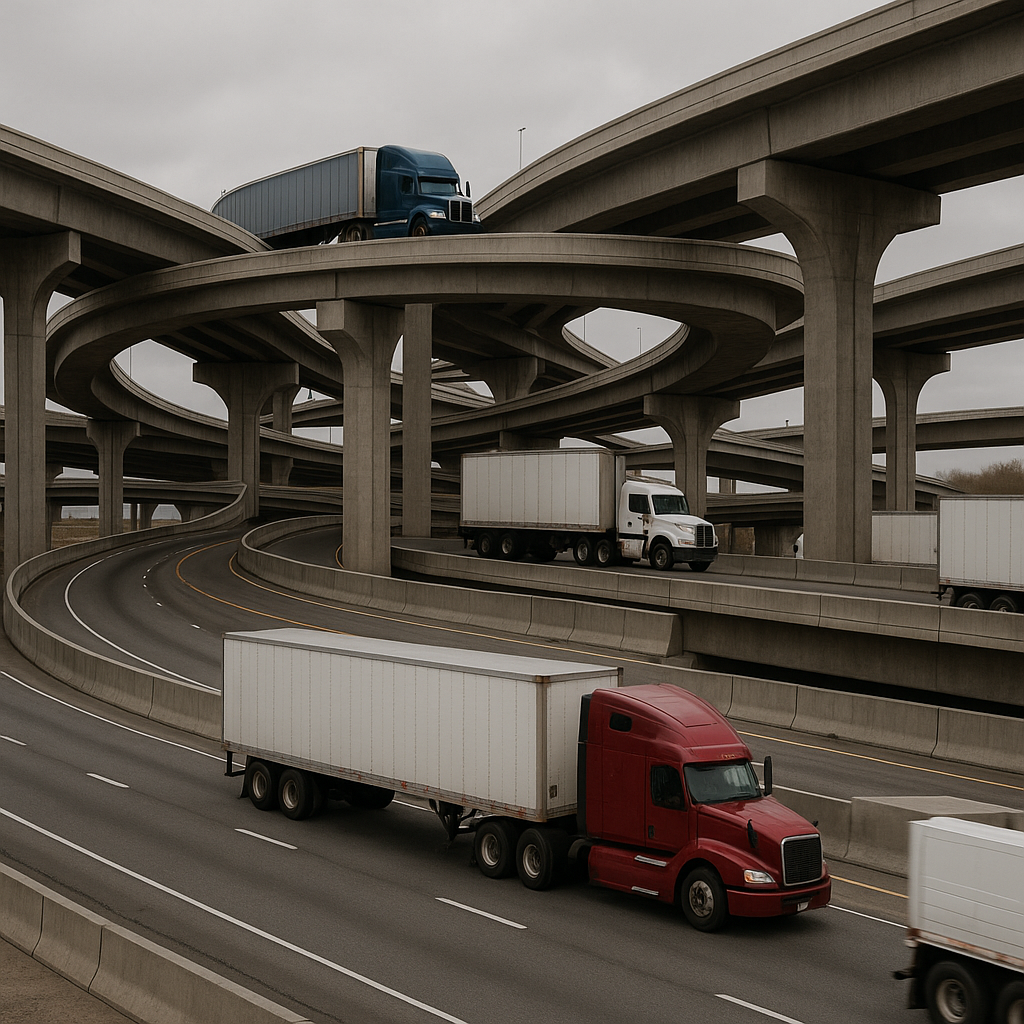
Spaghetti Bowl Interchange Freight Traffic Issues: An In-Depth Look at Nevada’s Trucking Hub
The Spaghetti Bowl interchange, located in Reno, Nevada, is a critical highway crossroads for the state’s economic and commuter activity. As the region’s premier freight corridor, this complex network of highways—where I-80, I-580, and US 395 converge—serves as a vital artery for regional, interstate, and transcontinental shipping. However, the same features that make the Spaghetti Bowl essential for freight also create a set of unique transportation and safety challenges. This article explores the key freight traffic issues at the Spaghetti Bowl interchange, typical truck activity, congestion hazards, and the impact of time-of-day and seasonal changes on freight mobility.
Overview of the Freight Corridor and Trucking Activity
Nevada is a pivotal link in the western U.S. supply chain, and the Reno Spaghetti Bowl functions as the state’s main freight gateway. Its strategic location connects California and the Pacific Northwest with the Mountain West and the rest of the continent. The Spaghetti Bowl provides direct routes for long-haul trucks, local delivery vehicles, and distribution centers, particularly those serving Reno, Sparks, Carson City, and beyond.
The interchange’s design—characterized by sharp curves, frequent merges, and high traffic volume—presents logistical challenges. It also serves industries critical to Nevada: warehousing, manufacturing, agriculture, gaming, and tourism all rely on timely deliveries that must navigate the Spaghetti Bowl.
Common Truck Types and Freight Activity in the Area
Truck Types on the Spaghetti Bowl
You’ll typically see these truck classes traversing the interchange:
– Semi-trucks with 53-foot trailers: Standard for regional and cross-country freight, these vehicles carry everything from retail merchandise to raw materials.
– Tanker trucks: Often hauling fuels, chemicals, and liquid food products between distribution centers and destinations in the West.
– Local box trucks: Delivering goods for parcel companies and local businesses, frequently entering or exiting on short notice.
– Flatbeds: Transporting heavy equipment, construction supplies, or oversized loads for the area’s ongoing development projects.
– Refrigerated trucks (reefers): Crucial for transporting perishable foods, pharmaceuticals, and temperature-sensitive goods.
Key Freight Activity Patterns
The Reno-Sparks area has experienced rapid growth in warehousing, e-commerce fulfillment, and manufacturing. Major facilities for logistics companies and online retailers are located just minutes from the Spaghetti Bowl. As a result, the volume of both full-truckload (FTL) and less-than-truckload (LTL) shipments remains high year-round. Seasonal agricultural hauls and construction supply runs spike at certain times, but a constant stream of inbound and outbound shipments traverses the interchange daily.
How Congestion or Merging Creates Risk
Congestion at the Spaghetti Bowl interchange is an acknowledged safety and logistics issue. Several factors combine to increase risk for freight traffic and all motorists in the area:
Merging and Weaving
Multiple highways merge and split in rapid succession at the Spaghetti Bowl. This requires trucks, with their larger blind spots and longer stopping distances, to execute complex maneuvers under heavy congestion. The need to quickly change lanes to access exits or merge onto different ramps creates frequent bottlenecks and increases the potential for side-swipe and rear-end collisions.
Limited Visibility and Sudden Lane Shifts
Sharp curves, variable elevation, and heavy use of overpasses often create limited sight distances at critical merging points. Trucks must sometimes change lanes quickly to stay on route, putting them at risk for collisions with smaller, fast-moving vehicles out of view.
Volume Surges and Stop-and-Go Traffic
During peak periods, freight vehicles mix with large numbers of commuters. Stop-and-go conditions not only slow deliveries but also raise the risk of jackknifing, rollovers, and cargo shifts—especially in wet or icy weather. Congestion-induced delays can also push drivers against federal and company-mandated hours-of-service limits, pressuring them to drive less cautiously or for longer periods.
High Freight Density
With heavy trucking constituting a larger share of total traffic at the interchange than in many other urban areas, even minor incidents can escalate. A stalled truck or minor collision can quickly snowball into hour-long delays, causing missed delivery windows and financial losses for shippers and receivers.
Time-of-Day and Seasonal Traffic Trends
Freight traffic at the Spaghetti Bowl shows clear patterns tied to time-of-day and season, each presenting distinct challenges for carriers and shippers.
Morning and Evening Peaks
Commuter congestion is most acute between 7:00–9:00 a.m. and 4:00–6:00 p.m., as local residents travel between home, work, and school. Many freight companies plan around these “rush hours,” but urgent or time-sensitive deliveries must still traverse the interchange during these times. The overlap of long-haul trucks and local commuters during these windows can dramatically increase crash risk and average travel times.
Midday Lulls and Overnight Freight
Traffic generally eases between late morning and early afternoon, and many long-haul carriers capitalize on these hours for smooth passage. Overnight, the interchange is much quieter, but nighttime maintenance work, reduced visibility, and fatigue-related risks become more significant for freight drivers.
Seasonal Fluctuations
– Winter: Snow and ice, common from November through March, make the sharp curves and steep ramps especially hazardous for trucks. Chain restrictions and unexpected weather events can create sudden delays or closures.
– Summer: Construction season brings lane closures, detours, and shifting traffic patterns. Increased tourist travel—especially to Reno’s casinos and Lake Tahoe—adds another layer of congestion.
– Holidays and Amazon “Prime” Seasons: The November–December shopping rush and periodic online sales events mean a surge in freight traffic, intensifying congestion and delivery deadlines.
Carriers must closely monitor and react to these trends, using real-time traffic data, weather reports, and advanced routing technology to minimize risk and delay. Shippers and receivers in Nevada often adjust scheduling and inventory practices to accommodate foreseeable disruptions at the Spaghetti Bowl.
Neutral Closing Paragraph
The Spaghetti Bowl interchange remains a vital connector for Nevada’s freight economy, supporting industries across the Silver State and linking the region to national and international supply chains. While the unique layout and volume of the interchange present logistical and safety challenges—especially for freight haulers—they also highlight the importance of ongoing infrastructure improvements and traffic management strategies. As Reno and the greater region continue to grow, effective solutions for Spaghetti Bowl interchange freight traffic will play a critical role in sustaining commerce, supporting local livelihoods, and keeping Nevada’s economy moving.