
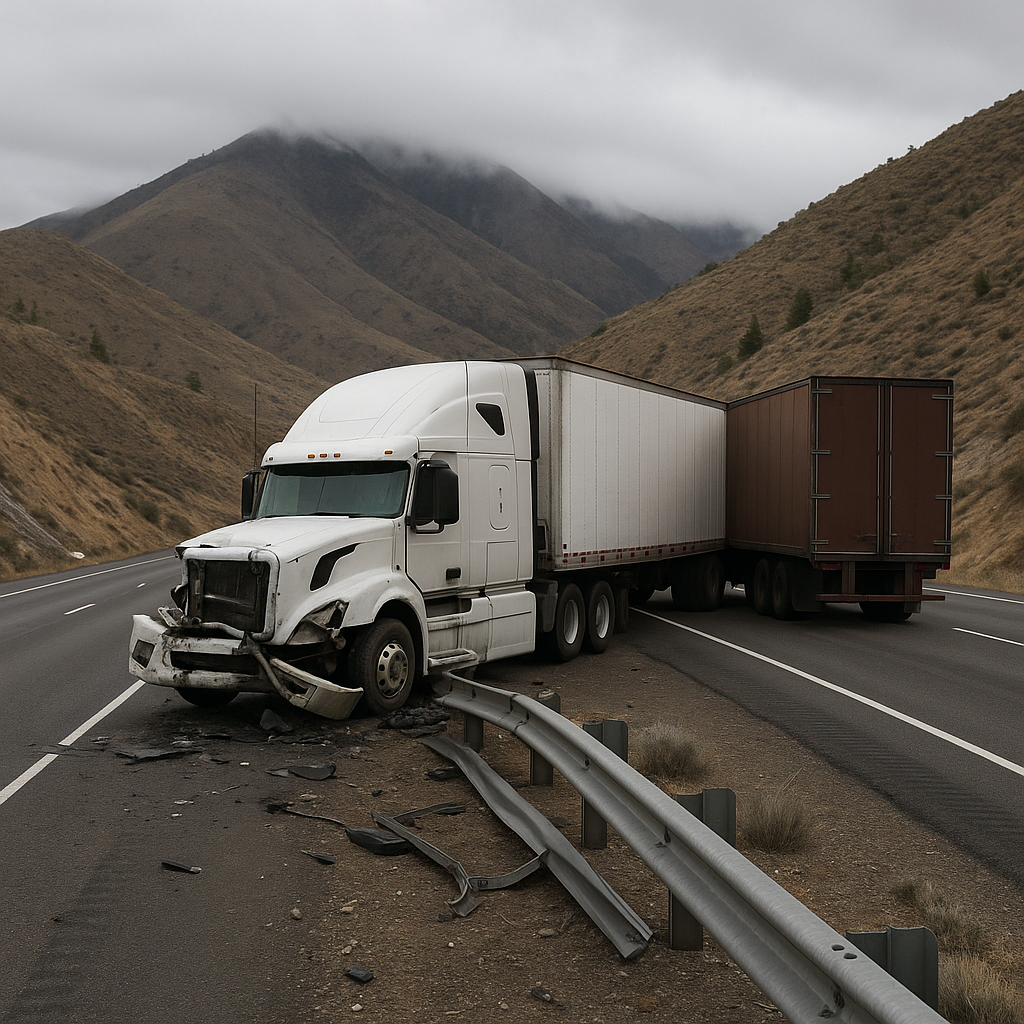
Truck Accident Hotspots Near Nevada Mountain Grades
Nevada’s rugged landscape, crisscrossed by mountain ranges and dramatic elevation changes, creates some of the most challenging highways for truck drivers in the western United States. Certain segments of road, especially those with steep mountain grades, have become well-known as hotspots for truck accidents. Understanding where and why these incidents often occur helps illuminate the unique challenges that Nevada’s geography and infrastructure create for commercial trucking.
Overview of the Nevada Location or Highway Segment
Several highways in Nevada pass through mountainous terrain, but a few are particularly noted for the frequency and severity of truck accidents near steep grades. Among the most discussed are:
– Interstate 80 (I-80) over the Pequop and Silver Zone Passes: This vital east-west artery traverses the Pequop Mountains between Wells and West Wendover, with grades as steep as 6%.
– U.S. Route 50 over Austin Summit and Carroll Summit: Frequently called “The Loneliest Road in America,” US 50’s mountain sections can surprise unfamiliar truckers with sharp curves and limited escape routes.
– U.S. Route 93 near Wheeler Peak and between Ely and Pioche: These segments feature narrow two-lane highways winding through remote, mountainous regions.
– Mt. Rose Highway (NV-431): Linking Reno and Lake Tahoe, this route presents steep ascents and descents, tight switchbacks, and quickly changing weather, creating a challenging route for heavy trucks.
These areas are not only vital for commercial transportation but are also notable for their environmental extremes, from summer heat that can soften pavement to winter storms creating ice, all increasing the risk profile for large vehicles.
Why Truck Accidents Are More Common in This Area
Truck accidents near Nevada mountain grades are more frequent for a variety of interconnected reasons, many tied to the unique relationship between geography, weather, and road design in these regions.
Nevada’s mountainous highways demand advanced driving skills, especially from those transporting heavy or hazardous loads. The risk of brake failure increases on long descents, and drivers must adjust quickly to rapid changes in elevation, weather, and visibility. When combined with occasional high winds and isolated terrain, these factors create a recurring set of challenges that are distinct from driving on flatter, more forgiving roadways.
Road Design Factors That Influence Crashes
The design of Nevada’s mountain roads shapes how and why crashes occur. Key influences include:
– Steep Grades: Sections like Pequop Summit on I-80 have grades approaching 6% for several miles. Extended descents require sustained braking, which can lead to overheated brakes or mechanical failures if not managed correctly.
– Sharp Curves and Switchbacks: Mountain highways must follow the contours of the land, leading to sudden bends and blind corners. On routes like Mount Rose Highway and parts of US 50, these features can catch drivers off guard, especially those unfamiliar with the terrain.
– Limited Shoulder Space: Many mountain segments in Nevada lack wide or paved shoulders, reducing the space for emergency stops or recovery in case of mechanical trouble.
– Limited Runaway Truck Ramps: While some locations, like the west side of Pequop Pass, provide runaway ramps for trucks experiencing brake failure, there may be long stretches without access to these safety features.
– Variable Road Maintenance: Remote mountain highways may experience less frequent maintenance or slower response times for road hazards, like rockfalls or icy patches, compounding risks for truck drivers.
Traffic Patterns and Truck Volume Considerations
Despite being known for vast stretches of open road, Nevada’s mountain grades can experience complex and sometimes unpredictable traffic patterns:
– Commercial Corridors: Highways like I-80 and US 93 form major commercial lifelines, supporting regular long-haul truck flow between California, Nevada, and the inland Northwest.
– Seasonal Traffic Spikes: Around major holidays, ski seasons, and during peak construction periods, truck traffic can increase significantly—often coinciding with passenger vehicle surges as well.
– Fatigue and Long Hauls: Drivers traversing Nevada’s isolated routes may be on extended shifts, making them more susceptible to fatigue. Long distances between rest stops or towns can increase the likelihood of drowsy driving, one of the recognized risk factors in the region.
– Weather-Driven Delays: Sudden snowstorms, high crosswinds, and low-visibility conditions in mountain passes often slow or cluster vehicle movement, increasing congestion and the likelihood of multi-vehicle incidents.
Safety Awareness Considerations
While many Nevada mountain grade truck accidents are triggered by external factors such as weather or mechanical failure, awareness of the region’s unique landscape plays a large role in how drivers and the community respond to these risks.
Local emergency planners, highway patrols, and transportation officials frequently monitor high-risk locations, posting updated warnings about weather dangers, chain-up areas, and speed restrictions specific to truck traffic. Even regular users of the highways are reminded to expect the unexpected: from wildlife crossings to sudden roadwork or weather changes that can rapidly alter driving conditions, especially near summits and descents.
In addition, Nevada’s remote mountain grades can mean a longer wait for assistance in the event of a breakdown or accident, affecting how truckers and passenger car drivers plan their journeys. Familiarity with the location of runaway truck ramps, emergency pullouts, and the limitations of nearby services is an essential aspect for those regularly traveling these routes, whether for work or recreation.
Infrastructure improvements and greater digital information sharing—such as real-time road condition apps and increased signage—are part of ongoing efforts to help every road user, including truck drivers, recognize and prepare for the dynamic challenges posed by Nevada’s mountain passes.
Neutral Closing Paragraph
Nevada’s mountain highways, defined by their steep grades and rugged beauty, are vital corridors for the movement of goods and people. However, these same features create unique conditions that increase the risk of truck accidents. As transportation needs continue to evolve, so too do the strategies and awareness surrounding these hotspots. Understanding the interplay between geography, road design, and traffic patterns is essential for all who travel or work on Nevada’s high-country roads, reinforcing a shared commitment to safer journeys across even the most demanding terrain.