
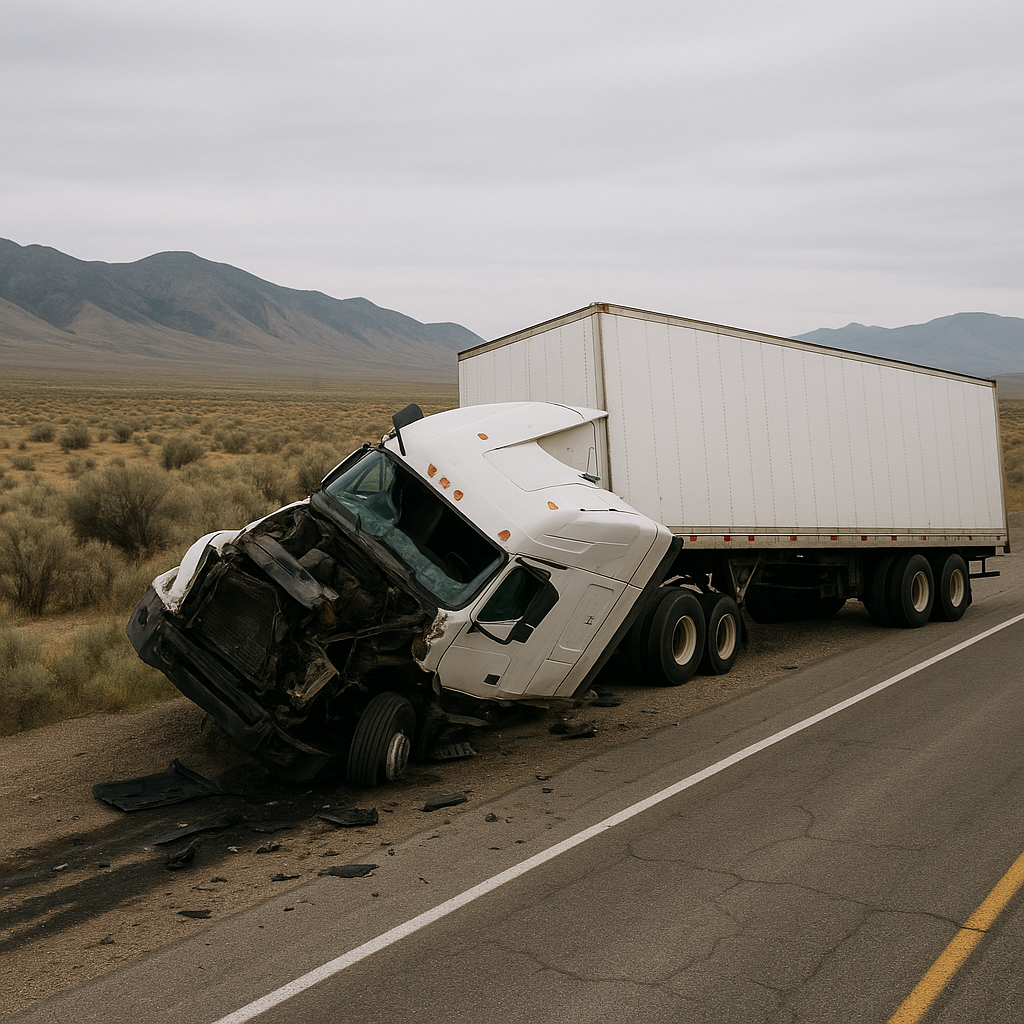
Truck Accidents Near Great Basin Highway Corridors
Truck accidents are a pressing concern along numerous stretches of Nevada’s highways, particularly those traversing the Great Basin region. These roads are critical freight arteries, supporting the state’s economy and connecting distant communities, yet the challenges posed by geography, infrastructure, and heavy traffic all contribute to a higher risk of large commercial vehicle crashes. Understanding the dynamics of truck accidents near Great Basin highway corridors not only highlights regional safety concerns but also sheds light on the unique landscape and logistical pressures affecting Nevada’s transportation network.
Overview of the Nevada Location or Highway Segment
The Great Basin extends across much of eastern and central Nevada, defined by arid valleys, rugged mountain ranges, and sparse population centers. The principal highway corridor serving this region is U.S. Route 93, commonly known as the Great Basin Highway. This route stretches for over 500 miles from southern Nevada, near the Arizona border, northward across remote desert terrain before eventually reaching the Idaho state line.
Several other important highways intersect or run parallel to U.S. 93, including:
– U.S. Route 50 (“The Loneliest Road in America”), which crosses the heart of the basin from east to west.
– U.S. Route 6, which traverses the southern portions of the basin.
These highways pass through small towns such as Ely, Pioche, and Caliente, and provide direct access to regional industries in mining, agriculture, and tourism. Despite their critical role, much of the highway infrastructure within the Great Basin corridor remains two-lane, undivided, and relatively isolated — features that are relevant when considering truck accident risks.
Why Truck Accidents Are More Common in This Area
The prevalence of truck accidents along Great Basin highway corridors is influenced by a mixture of geographic, infrastructural, and economic factors. These highways must accommodate a significant volume of heavy truck traffic due to the transport needs of local industries, while simultaneously contending with environmental challenges unique to Nevada’s high-desert setting.
Road Design Factors That Influence Crashes
Remote and Isolated Stretches
Much of the Great Basin corridor consists of long, isolated stretches of highway with minimal amenities or service centers. These expanses can lull drivers into a false sense of security, encouraging higher travel speeds or reduced attention. If a truck driver becomes fatigued or faces a mechanical issue, the lack of nearby exit points or emergency services may exacerbate the consequences of an incident.
Limited Lane Width and Passing Opportunities
Many sections of highway in Nevada’s Great Basin region remain two-lane and undivided. This means that slower-moving trucks may accumulate traffic behind them, leading to risky passing maneuvers by passenger vehicles or other trucks. Limited shoulders and few passing lanes further increase the dangers associated with overtaking, head-on collisions, or roadway departures.
Curves, Grades, and Variable Terrain
While some highways in the region are notably straight, others follow the natural contours of the land, leading to winding sections with significant elevation changes. Mountain summits, sharp curves, and narrow canyons, such as those near the Schell Creek Range by Ely, can challenge both truck drivers and other motorists, especially during inclement weather. These road segments require heightened caution due to reduced sight distance and the need for careful braking on declines.
Pavement and Maintenance Issues
Nevada’s harsh desert climate subjects highways to frequent freeze-thaw cycles, which may cause cracks, potholes, or heaving. Remote locations mean that maintenance can be less frequent, and even minor pavement issues can escalate braking distances or cause loss of traction — both critical risks for heavy trucks.
Traffic Patterns and Truck Volume Considerations
Freight-Driven Traffic
Nevada’s economy relies heavily on freight transport, particularly for mining, energy, and agriculture, all of which are present in the Great Basin region. Large trucks and tractor-trailers regularly traverse these corridors, transporting ore, equipment, crops, and goods between rural mines, farms, and urban distribution centers such as Las Vegas or Elko.
Seasonal Variations
Traffic volume and composition can change depending on the time of year. For instance, spring and summer may see increased truck traffic due to construction, agricultural harvesting, or tourism activities, while winter months bring risks of ice, snow, and reduced visibility — all factors that complicate already difficult driving conditions.
Mixed Vehicle Types
The mix of vehicles on these highways is another factor. Alongside long-haul trucks are recreational vehicles, passenger sedans, motorcycles, and sometimes slow-moving farm equipment. This diversity leads to differences in speed and maneuverability, with trucks often constrained by their payload or size, while smaller vehicles attempt to navigate around them.
Safety Awareness Considerations (Non-Advice Tone)
Awareness of the inherent risks posed by truck traffic on Great Basin highway corridors is an important concern for all road users in this region. The remoteness and design of these highways, combined with heavy truck presence, means that safe travel depends on diligence from both commercial drivers and the general motoring public.
Particular times of day — such as pre-dawn hours and late evening — may see heightened accident risks connected to driver fatigue or reduced visibility. Extended stretches without rest stops can further complicate travel plans for both truck drivers and motorists, increasing the likelihood of fatigue-related mishaps.
Weather is another key consideration along these corridors. Sudden rain showers, high winds, or unexpected snow in the higher elevations can create hazardous conditions with little warning, disproportionately affecting trucks due to their elevated profiles and longer stopping distances.
Collisions involving trucks often have more severe consequences due to the disparity in vehicle size and weight. This makes ongoing investment in public awareness campaigns, as well as infrastructure projects like widening lanes or adding turnouts, especially significant in minimizing crash risks.
Neutral Closing Paragraph
Truck accidents near Great Basin highway corridors remain an important issue of regional concern for Nevada. The unique combination of isolated highways, challenging terrain, and high volumes of commercial traffic all intersect to form conditions where truck-related crashes are more likely. As Nevada continues to grow and interstate commerce expands, stakeholders ranging from transportation officials to drivers and local communities will no doubt be monitoring trends and considering ways to further improve safety on these vital routes. Enhanced understanding of the underlying factors at play can inform discussions about future infrastructure investment and support for all who rely on the highways of the Great Basin.