
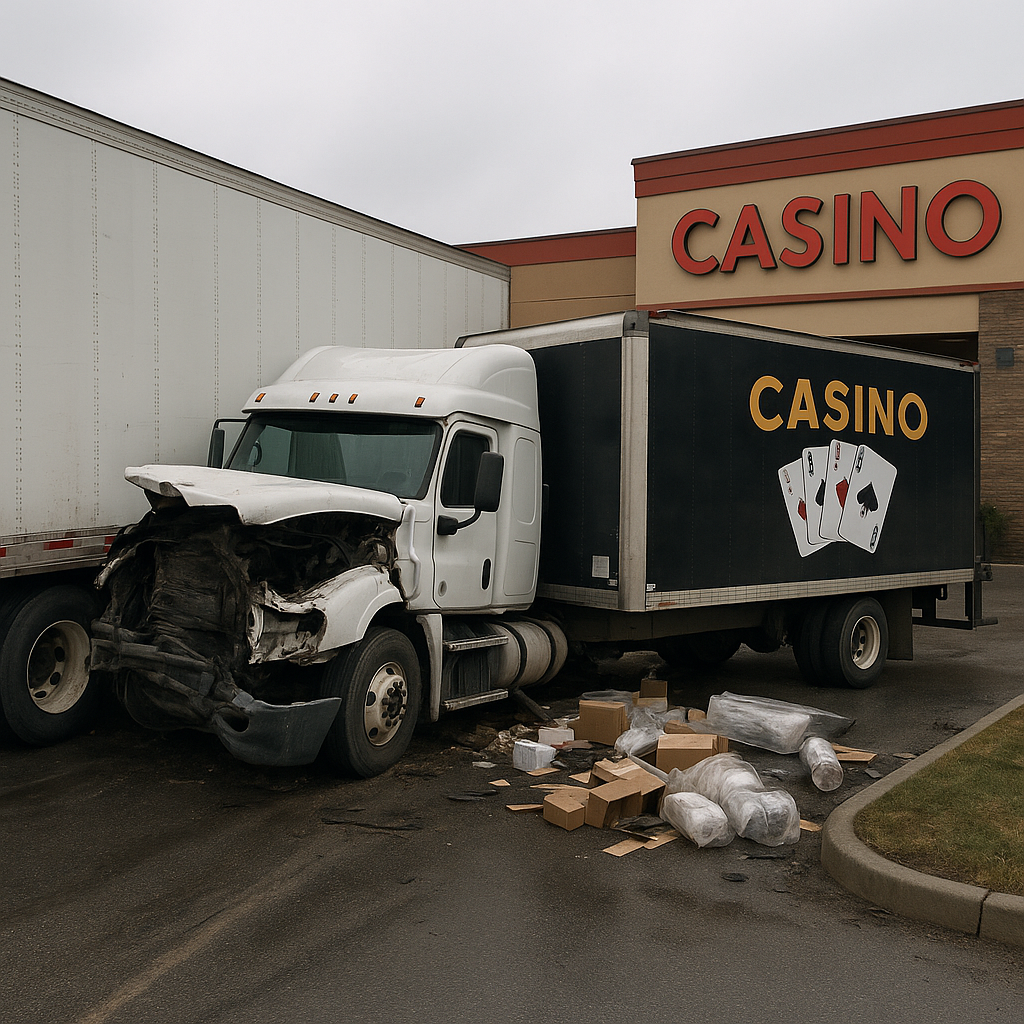
Truck Crash Patterns Near Casino Supply Deliveries Reveal Critical Safety Concerns
Overview of the Trend or Pattern
Nevada, home to some of the world’s most iconic casinos, relies heavily on efficient and timely deliveries to keep its gaming and hospitality industries running smoothly. Behind the glamour of the Las Vegas Strip and other popular casino hubs lies a critical piece of the supply chain puzzle: the fleets of trucks tasked with delivering essential goods ranging from electronics and food supplies to gaming equipment and cash logistics.
Recent analysis of truck crash patterns near casino supply deliveries highlights an emerging trend of safety concerns that demand closer scrutiny. These patterns reveal frequent incidents involving commercial trucks in areas adjacent to casinos, specifically around delivery loading zones, casino back entrances, and high-traffic supply routes. While truck crashes are a concern nationwide, the Nevada context introduces unique challenges that affect the frequency, nature, and severity of these incidents.
Understanding these truck crash patterns related to casino supply deliveries is crucial not only to protect the workforce behind the scenes of Nevada’s gaming industry but also to enhance public safety in bustling casino districts favored by millions of tourists annually.
Common Factors Behind the Pattern
Several key factors contribute to the observed truck crash patterns near casino supply deliveries:
1. High Traffic Density and Congestion
Casino districts, especially in cities like Las Vegas and Reno, are known for heavy vehicle and pedestrian traffic. Delivery trucks must navigate through crowded streets with limited maneuvering space, increasing the risk of collisions. These trucks often operate during peak hours to meet tight delivery schedules, and the congestion amplifies the chances of crashes.
2. Complex Delivery Logistics and Schedule Pressures
Casino operations demand 24/7 supply availability, leading to around-the-clock delivery schedules. These logistics create tight windows where multiple trucks arrive or depart simultaneously, increasing traffic complexity at loading docks and narrow alleys. Pressure to meet stringent timing can lead to rushed maneuvers, fatigue, or lapses in attention by truck drivers.
3. Infrastructure Constraints
Many casinos are housed in older buildings or have been expanded incrementally, resulting in limited and sometimes outdated loading facilities. Narrow entry points, inadequate signage, poor lighting, and confined spaces within delivery areas complicate truck movements. These infrastructure limitations correlate with increased incidents of truck crashes, such as backing accidents or sideswipes.
4. Driver Experience and Route Familiarity
Truck drivers involved in casino deliveries may often be subcontractors or from third-party logistics firms with varying levels of experience navigating Nevada’s unique urban environments. Inexperienced drivers or those unfamiliar with local traffic patterns may be prone to errors near complex delivery zones.
5. Environmental and Weather Conditions
Nevada’s desert climate generally means dry conditions; however, sudden storms, high winds, or occasional flash flooding in some areas can impact visibility and road traction. Dust storms, for instance, can impair drivers’ vision and contribute to accidents in outdoor or semi-enclosed delivery zones.
Why Severity May Be Higher in Nevada Conditions
The severity of truck crashes related to casino supply deliveries in Nevada can be influenced by several state-specific factors:
1. High Vehicle Speeds on Access Roads
Nevada’s road infrastructure often includes high-speed arterials feeding traffic into casino districts. Trucks entering or exiting supply routes abruptly must adjust to rapidly changing speed conditions, increasing the likelihood of severe rear-end or side-impact collisions.
2. Concentration of Large Commercial Vehicles in Tourist Hotspots
Casino areas attract a concentrated flow of commercial trucks alongside heavy tourist vehicle traffic, including taxis, ride-shares, and buses. The coexistence of large delivery vehicles with smaller, more vulnerable vehicles and pedestrians in densely packed environments increases the potential for severe multi-vehicle accidents.
3. Limited Emergency Response Access in Crowded Districts
Narrow streets and congested loading areas can delay emergency services’ access to accident scenes. Prompt medical intervention is critical in high-impact crashes, so any delay may increase the risk of fatalities or serious injuries.
4. High Stakes and Cash Cargo
Casino deliveries sometimes involve valuable cash shipments or gaming equipment that increase the stakes of truck crashes. Drivers may prioritize security alongside safety, sometimes influencing driving decisions under pressure.
5. Regulatory Variations and Enforcement
Nevada’s regulatory environment includes provisions distinct from other states concerning commercial vehicle operations. While regulations aim to ensure safety, differences in enforcement or compliance levels may also influence crash severity.
How Patterns Change Over Time
Truck crash patterns near casino supply deliveries are not static; they evolve in response to multiple factors:
1. Casino Expansion and Urban Development
As Nevada’s casino industry grows and new properties emerge, supply delivery routes adapt accordingly. Expansion projects can temporarily alter traffic patterns, creating new hotspots for crashes during construction phases or as new logistics infrastructure is integrated.
2. Technological Advancements in Fleet Operations
The adoption of GPS navigation, advanced driver assistance systems (ADAS), and telematics in commercial trucking is gradually changing how deliveries are managed. These technologies can reduce human error and improve route planning, potentially lowering crash frequencies.
3. Changing Regulatory Landscape
Improvements or changes to safety regulations, including hours of service rules, vehicle maintenance standards, and driver training requirements, influence crash trends. Nevada’s regulatory agencies and casino operators may collaborate to update protocols in response to emerging data.
4. Impact of External Factors like the Pandemic
Events such as the COVID-19 pandemic temporarily altered traffic volumes, supply chain demands, and driver availability. Such disruptions can cause short-term fluctuations in crash data related to casino supply deliveries.
5. Infrastructure Investments
Ongoing investments in urban infrastructure, such as improved loading docks, better signage, and enhanced lighting in casino districts, gradually address some risk factors. Monitoring the impact of these investments helps guide future safety enhancements.
Neutral Closing Paragraph
Truck crash patterns near casino supply deliveries in Nevada highlight complex safety challenges rooted in traffic density, infrastructure constraints, and operational pressures unique to the state’s gaming industry. While progress is being made through regulatory efforts, technological adoption, and infrastructure improvements, continuous monitoring and cooperative engagement among casino operators, logistics providers, and regulatory agencies remain essential. Understanding the evolving nature of these crash patterns can inform targeted strategies to enhance safety for drivers, casino staff, visitors, and the broader community surrounding Nevada’s vibrant casino districts.