
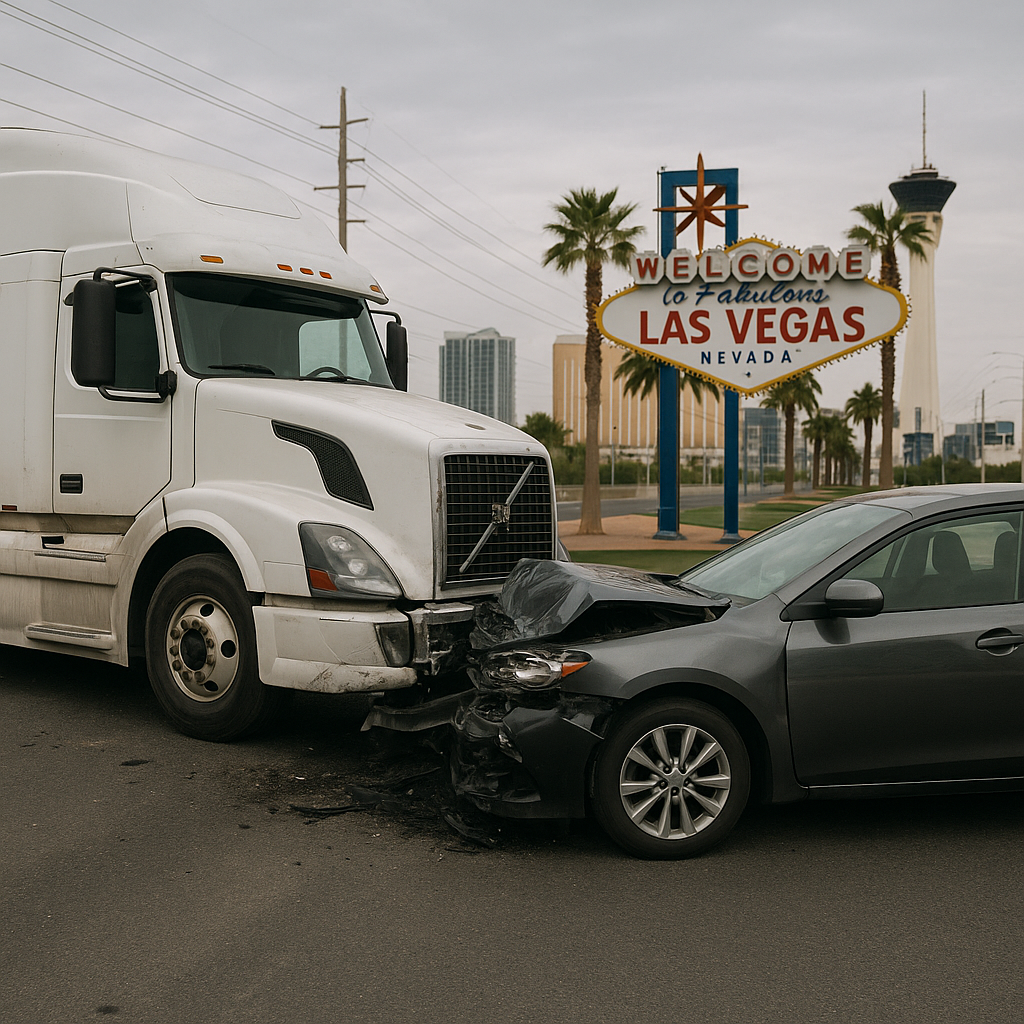
Truck Crash Trends Near Downtown Las Vegas: What You Need to Know
Overview of the Trend or Pattern
In recent years, truck crash trends near downtown Las Vegas have drawn increasing attention from local authorities, transportation experts, and residents alike. As one of Nevada’s busiest urban centers, downtown Las Vegas serves as a key nexus for commercial activity, tourist traffic, and local commuting. This convergence creates an environment where large trucks, including freight haulers, delivery vehicles, and construction trucks, share the road with passenger cars, pedestrians, and cyclists.
Truck crashes in this area are notable for several reasons. First, the volume of heavy vehicles moving through downtown streets has increased steadily. As the city’s economy grows, so too does the demand for goods transported by truck. This growth highlights the complexity of managing traffic patterns that combine large trucks and dense urban traffic.
Secondly, the nature of truck crashes near downtown Las Vegas often involves different factors than those seen in crashes involving only passenger vehicles. The physical size, weight, and maneuverability of trucks make collisions potentially more dangerous and complicated to analyze.
The trend also suggests specific locations near downtown are hotspots for truck-related incidents, often due to street design, traffic flow, or proximity to warehouses and distribution centers. Understanding these patterns can help raise awareness about the risks and challenges related to truck safety in this busy part of Las Vegas.
Common Factors Behind the Pattern
Several interconnected factors contribute to the truck crash trends near downtown Las Vegas:
1. Increased Commercial Traffic
The expansion of Las Vegas as a commercial hub has led to more frequent deliveries and freight operations within downtown. Trucks are essential for resupplying businesses, construction projects, and other economic activities. However, this increase in truck volume raises the probability of crashes simply by increasing the number of heavy vehicles navigating tight urban streets.
2. Urban Street Design Constraints
Downtown Las Vegas consists of a mix of older, narrower streets and modern corridors. Many streets were not originally designed to accommodate frequent large truck traffic. Sharp turns, limited lane widths, and frequent intersections create challenging conditions for truck operators, increasing the risk of collisions with other vehicles or infrastructure.
3. Traffic Congestion
Rush hours, events, and tourism influxes contribute to significant congestion. Heavy traffic slows movement, leads to sudden stops, and encourages risky maneuvers. Trucks require more time and space to brake or change lanes, so congested conditions near downtown can elevate the chance for crashes.
4. Driver Behavior and Fatigue
Truck drivers often face demanding schedules that may encourage fatigue or hurry. Drowsy driving, distraction, and misjudgment can all result in crashes. Meanwhile, passenger vehicles sometimes fail to understand the limitations of trucks on the road, such as blind spots or longer stopping distances, contributing to unsafe interactions.
5. Environmental and Weather Factors
While Las Vegas enjoys mostly clear weather, occasional dust storms, extreme heat, or sudden rain can affect visibility and road conditions. Such factors can contribute to loss of control or delayed driver reaction times, especially for large, heavy vehicles.
Why Severity May Be Higher in Nevada Conditions
Truck crashes near downtown Las Vegas tend to have a higher severity for several key reasons that relate specifically to Nevada’s unique environment and urban context:
1. Truck Size and Weight
By nature, commercial trucks are large and heavy, increasing the force of impact in crashes. This results in a higher likelihood of severe injuries, fatalities, and extensive property damage. The urban setting of downtown Las Vegas means crashes may also involve vulnerable road users like pedestrians and cyclists, compounding injury risk.
2. Road Surface and Heat Factor
Nevada’s desert climate leads to extreme heat, which can cause pavement softening or degradation. Over time, this can create uneven road surfaces or potholes, which impact vehicle control. Trucks carrying heavy loads may experience more difficulty maintaining stability on these surfaces, leading to increased crash severity.
3. Limited Escape Routes and Crowded Streets
Downtown Los Vegas’s grid layout, with its dense concentration of businesses and pedestrian activity, leaves less room for evasive action during crashes. Trucks have limited maneuverability in tight spaces, so when collisions occur, the result can be more catastrophic.
4. Proximity to Entertainment Districts and High Pedestrian Traffic
The presence of resorts, casinos, and entertainment venues near downtown results in large numbers of pedestrians. When trucks crash in these areas, the potential for pedestrian injury increases. The combination of large vehicles and crowded sidewalks makes severity more likely.
How Patterns Change Over Time
Truck crash trends near downtown Las Vegas are not static; they evolve as the city grows and transportation infrastructure changes. Local agencies and urban planners continuously monitor these changes to improve safety.
Economic and Developmental Influences
As Las Vegas expands economically, construction projects generate increased truck traffic. New warehouses and distribution centers located near downtown may change typical truck routes and congestion patterns, influencing the frequency and locations of crashes.
Infrastructure Improvements
Investments in road redesign, traffic signals, signage, and dedicated truck routes can shift crash patterns. For example, creating designated truck lanes or routes away from crowded pedestrian areas may reduce crash rates and severity over time.
Technological Advances
Advances in vehicle safety systems, such as collision avoidance and lane departure warnings, are becoming more common in trucks. These technologies have the potential to reduce human error-related crashes, shifting crash causes toward other factors like road conditions or pedestrian interactions.
Policy and Enforcement Changes
Changes in local traffic enforcement, speed limits, and commercial vehicle regulations may also influence crash patterns. Increased awareness campaigns and enforcement of safe driving practices for both truck and passenger vehicle drivers help reduce crash occurrence.
Seasonal and Event-Driven Variability
Las Vegas hosts numerous conventions, sports events, and festivals that bring surges of visitors. These temporary changes increase traffic volumes and complexity, which can temporarily increase the risk of truck crashes near downtown during peak event times.
Conclusion
Understanding truck crash trends near downtown Las Vegas is crucial for residents, drivers, city planners, and businesses alike. Through examining the underlying factors—ranging from increased commercial traffic and urban street design challenges to Nevada’s unique environmental conditions—it becomes clear why truck crashes can be both frequent and severe in this area.
While the city is actively pursuing solutions through infrastructure improvements, policy updates, and educational efforts, ongoing awareness and adaptive strategies remain essential. Recognizing these trends can help the community better navigate risks, making Las Vegas’s downtown safer for all road users now and in the future.