What a Nevada Crash Report Includes for Truck Accidents
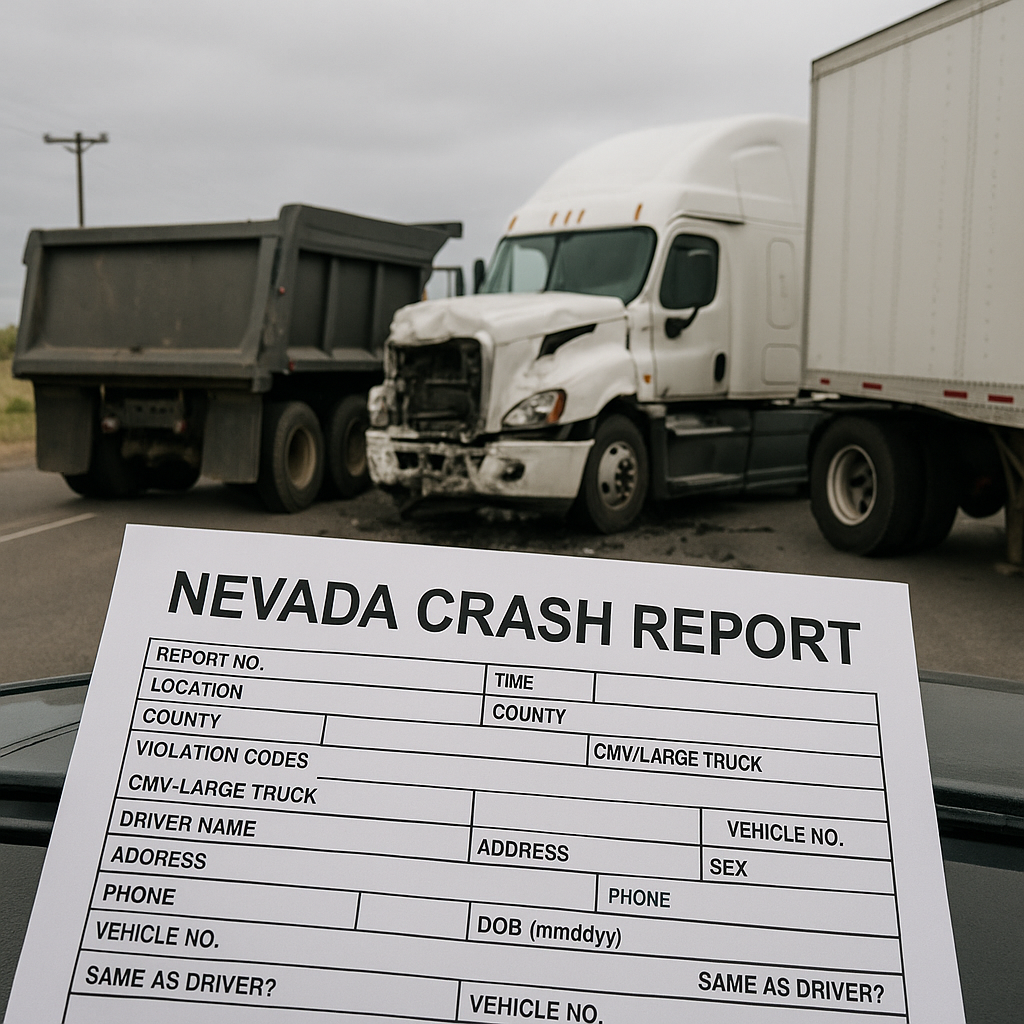
When truck accidents occur on Nevada’s busy roads and highways, documenting the event is critical for public safety, regulatory compliance, and future reference. A Nevada crash report, especially in the context of truck accidents, plays a central role in detailing not only the cause and immediate aftermath but also the broader circumstances surrounding the crash. Understanding what a Nevada crash report includes for truck accidents helps all parties—drivers, trucking companies, insurers, and regulatory agencies—evaluate the situation accurately.
Overview of Crash Response and Reporting Systems in Nevada
Nevada’s crash response and reporting framework is designed to bring consistency, transparency, and legal clarity to traffic incidents, particularly when large commercial vehicles like trucks are involved. The process is overseen by various law enforcement and regulatory agencies that uphold both state and federal requirements.
Within Nevada, the Nevada Department of Public Safety, alongside municipal and county law enforcement agencies, maintains a statewide database of motor vehicle crash reports. The goal is twofold: to provide an official record of the incident and to inform future strategies on road safety, enforcement, and risk mitigation. For truck accidents, these systems are especially important due to the potentially greater severity and regulatory implications of commercial vehicle incidents.
Common Agencies and Reporting Steps
Several agencies are typically involved when a truck accident occurs in Nevada. The Nevada Highway Patrol (NHP), county sheriff’s offices, and local police departments are the primary first responders and investigators, depending on where the crash takes place. After ensuring immediate safety and emergency response, these agencies begin their formal information gathering.
The reporting process for truck collisions includes collecting specific details required by both the Nevada Department of Public Safety and, often, the Federal Motor Carrier Safety Administration (FMCSA). This dual layer of data collection is due to the interstate nature and regulatory oversight of commercial trucking.
While drivers, including those operating trucks, are required to contact authorities for certain types of accidents (such as those involving injuries, fatalities, or significant property damage), law enforcement officers ultimately compile the official crash report. Trucking companies may also need to relay details to insurers and federal regulators for their own compliance.
Documentation Typically Involved
To ensure a comprehensive record, a Nevada crash report for truck accidents incorporates various pieces of documentation and fields. Although the exact format may vary, core elements are typically present in every official report:
1. Identification and Contact Details:
The report captures full identifying information of all drivers and vehicle owners involved, including license numbers, addresses, insurance information, and company names for commercial vehicles.
2. Vehicle Information:
Specifics about all vehicles involved are detailed, such as make, model, year, vehicle identification number (VIN), license plate number, and, for trucks, the U.S. Department of Transportation (USDOT) number.
3. Description of the Scene:
Narrative and schematic representations describe roadway type, weather and lighting conditions, traffic signals, signage, and physical evidence such as skid marks or debris location.
4. Commercial Vehicle Data:
In the context of truck accidents, the Nevada crash report includes fields specific to commercial carriers—like cargo type, gross vehicle weight rating (GVWR), and hazardous materials designation, if applicable.
5. Driver Information and Condition:
Key factors in understanding cause and fault include not only the identity of the drivers, but possible contributing factors such as fatigue, impairment, distraction, or medical issues.
6. Sequence of Events and Actions:
Investigators outline the sequence of events, noting actions like braking, turning, lane changes, and whether vehicles were parked or in motion at the time of collision.
7. Occupant and Witness Statements:
Passenger accounts, witness names and contact information, and any reported injuries or fatalities are documented for completeness.
8. Damage Assessment:
Officers record the nature and extent of damage to vehicles and surrounding property, including infrastructure such as guardrails, signs, or road surfaces.
9. Regulatory Compliance Checks:
For commercial trucks, crash reports may note compliance with hours-of-service regulations, load securement, licensing requirements, and whether any citations or violations were issued at the scene.
10. Attachments and Supplemental Evidence:
Photographs, diagrams, and sometimes dash-cam footage or electronic logging device (ELD) data may be included or referenced as part of supporting documentation.
Common Reporting Misunderstandings
Despite the comprehensive nature of Nevada crash reports, misunderstandings about their purpose and content are relatively common. One frequent misapprehension is the belief that the crash report always establishes legal fault. In reality, while reports may include observations and preliminary conclusions by officers, they do not necessarily determine liability in a legal sense—those determinations are left to insurers or the courts.
Another common misunderstanding is that all involved parties will see and approve what is included before the report is finalized. In practice, law enforcement officers write the report based on their observations, statements, and available evidence at the time. Corrections or additions by participants are generally not part of the report generation process.
There is also a misconception regarding how comprehensive the documentation will be, especially in truck-involved accidents. While officers aim to be thorough, immediate safety needs, traffic flow, and time constraints may limit the detail or thoroughness of the records at the scene.
Finally, people sometimes assume that the information collected is entirely public. In fact, Nevada has specific laws regarding access to and distribution of crash report information, with some data only available to authorized parties such as involved drivers, insurers, and legal representatives.
Neutral Closing Paragraph
Ultimately, understanding what a Nevada crash report includes for truck accidents can help those involved anticipate the kind of information that will be gathered after a collision. Through standardized documentation and a coordinated response by multiple agencies, these reports support both immediate post-crash actions and longer-term safety initiatives. For anyone involved in or affected by a truck crash in Nevada, familiarity with crash report contents fosters greater clarity and preparedness, contributing to a culture of transparency and road safety statewide.