
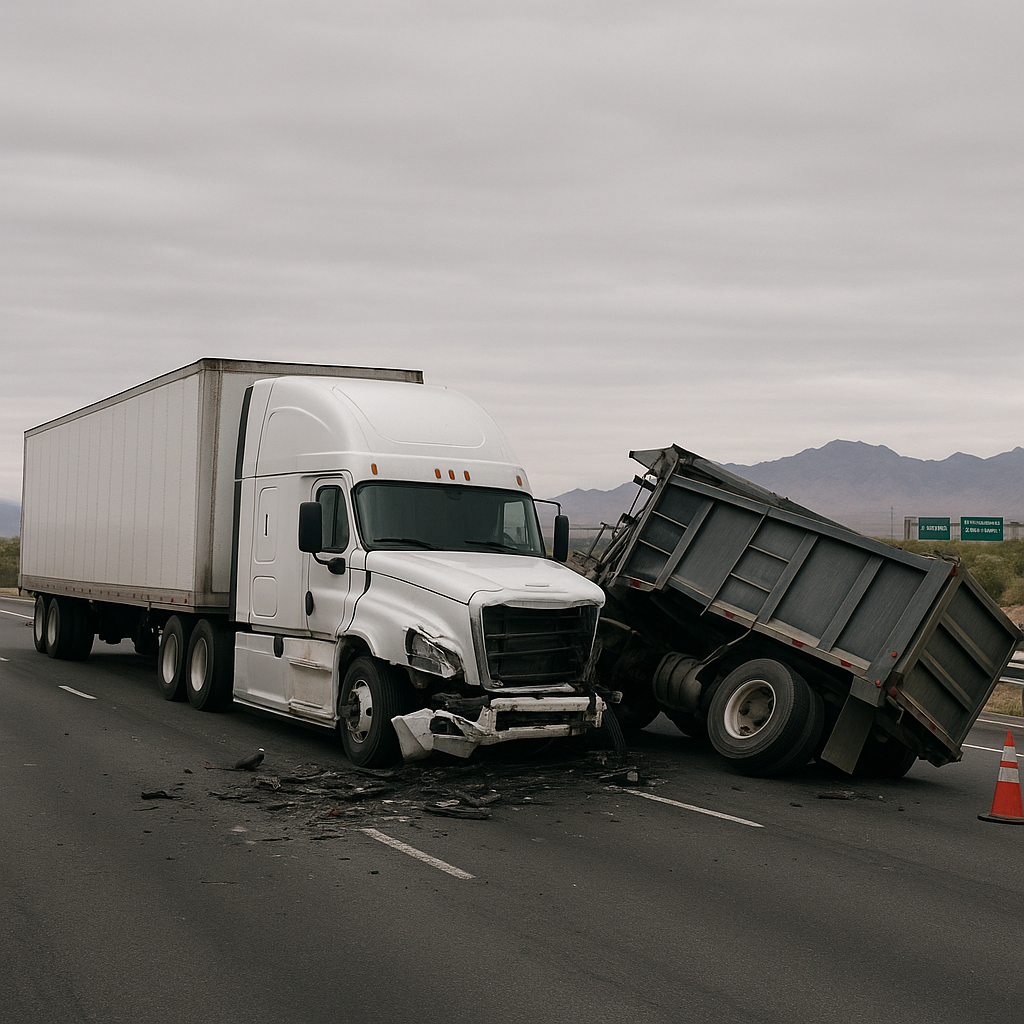
What Happens After a Truck Crash is Reported in Nevada
Nevada’s extensive network of highways, busy freight corridors, and growing cities all contribute to a high volume of truck traffic. Unfortunately, with greater truck activity comes an increased risk of crashes. When a truck crash occurs, it often prompts an immediate and coordinated chain of events involving various agencies and strict documentation protocols. If you’ve ever wondered what happens after a truck crash is reported in Nevada, this article provides a thorough overview of the systems, stakeholders, and common misconceptions surrounding this critical process.
Overview of Crash Response and Reporting Systems in Nevada
Nevada has established specific procedures and frameworks to handle vehicle crashes, especially those involving commercial vehicles like trucks. These protocols aim to ensure road safety, facilitate timely medical response, and uphold accurate record-keeping for regulatory and insurance purposes.
When a truck accident is reported—usually through a 911 call or a direct notification to law enforcement—the clock starts ticking on a well-practiced response. Dispatchers coordinate emergency response based on the information provided, while public safety officers and other agencies prepare to assess and manage the crash site. Unlike smaller vehicle accidents, crashes involving trucks may demand additional resources due to the vehicles’ size, potential for hazardous material spills, and the possibility of multiple affected parties.
From the moment the incident is reported, several agencies and administrative processes swing into action to protect the public, maintain order, and collect information vital to any subsequent investigations or claims.
Common Agencies and Reporting Steps
A truck crash sets off a multi-agency response in Nevada—a hallmark of the state’s commitment to both immediate safety and post-incident accountability. Here are some of the key organizations and general actions involved:
Law Enforcement Agencies:
State, county, or city law enforcement agencies are often the first to arrive. In Nevada, this might include the Nevada Highway Patrol (NHP), local police departments, or sheriff’s offices, depending on crash location. Their primary role is to secure the scene, direct traffic, and initiate preliminary investigations.
Emergency Medical Services (EMS):
Truck crashes can cause severe injuries or fatalities. Medical responders are dispatched to assess, stabilize, and transport the injured to appropriate medical facilities. In significant incidents, fire and rescue services may also become involved, especially if there’s risk of fire or entrapment.
Nevada Department of Transportation (NDOT):
NDOT might be engaged if the incident causes major traffic disruptions, road damage, or hazardous spills requiring clean-up or detours. Their crews help manage closures and restore safe driving conditions post-crash.
Commercial Vehicle Enforcement Divisions:
Specialized units, often within law enforcement or highway patrol, may inspect the involved truck for compliance with safety regulations, perform necessary investigations into driver qualifications, logbooks, and vehicle maintenance records.
Towing and Clean-Up Services:
Authorized recovery companies are contacted to remove damaged vehicles, debris, or spilled materials before the road can reopen fully.
Reporting Chain:
All fatal crashes, or those resulting in serious injuries or substantial property damage, require formal reporting in Nevada. Law enforcement typically prepares an official crash report, which is then filed with the Nevada Department of Motor Vehicles (DMV) and made available to those with legitimate interest. In many commercial vehicle cases, the Federal Motor Carrier Safety Administration (FMCSA) may also receive notification, particularly if federal safety regulations are implicated.
Documentation Typically Involved
Central to what happens after a truck crash is reported in Nevada is the comprehensive collection of documentation. This paperwork not only informs investigations but also forms the backbone of insurance claims and regulatory compliance checks.
Police Report:
The responding officer prepares a detailed overview of the incident, capturing date, time, weather and road conditions, diagram of the crash site, names and contact details of all parties, witness statements, preliminary fault assessment, and citations issued.
Driver and Vehicle Data:
Details regarding the truck’s owner, driver (including commercial driver’s license status), insurance information, and vehicle registration are documented. In commercial incidents, driver logbooks, shipping manifests, and maintenance records may also be reviewed.
Photographic Evidence:
Photos of the scene, damage, road signage, skid marks, and any hazardous materials presence are typically compiled as visual evidence.
Medical and Damage Reports:
EMS and hospital personnel record details of injuries. Later, repair shops or adjusters prepare damage assessments for all vehicles and property involved.
Toxicology Results (If Applicable):
Protocol may require blood alcohol content (BAC) or drug screening for drivers, especially if impairment is suspected.
All of this information, once compiled, is stored within the appropriate databases managed by law enforcement or the DMV and may be referenced in future legal or regulatory proceedings.
Common Reporting Misunderstandings
Despite the clarity of Nevada’s systems, several areas of confusion persist among the public and even industry professionals.
Belief that Minor Crashes Don’t Need Reporting:
Some assume that only severe or injury crashes must be reported to authorities. However, Nevada statutes stipulate that any crash involving injury, death, or apparent property damage above a certain threshold ($750 at time of writing) mandates formal documentation. Failing to do so can lead to penalties.
Uncertainty About Agency Jurisdiction:
People involved in truck crashes in Nevada often aren’t sure which law enforcement body has jurisdiction. The location usually determines this—NHP covers highways and interstates, while local law enforcement manages incidents within city limits.
Delayed Reporting Assumptions:
Individuals may not realize there’s a required timeframe to file reports, especially when injuries or significant damages are involved. Delayed reporting can create legal complications or difficulties with insurance processing.
Misunderstanding Access to Reports:
Crash reports are not always immediately available to the public. They are released only to parties with specified legal or insurance interests, and access may be subject to redaction for privacy reasons.
Overlooking Commercial Vehicle Requirements:
Truck drivers must adhere to both state and federal regulations, which can add an extra layer of reporting or investigation (for example, mandatory post-crash inspections for certain types of commercial vehicles).
These misunderstandings can impact how those involved respond to and recover from a truck crash.
Closing Thoughts
Truck crashes in Nevada activate a well-coordinated, multi-agency response designed to protect lives, keep roads safe, and ensure procedures are correctly followed. From the initial emergency call to the final documentation, every step after a truck crash is reported involves careful coordination and adherence to established protocols. Understanding the roles of involved agencies, the scope of documentation, and the most common reporting pitfalls helps demystify this often complex process—for truck drivers, other motorists, and concerned residents alike.