What is a Rapid Response Team in Trucking Accidents?
When a trucking accident occurs on Nevada’s busy highways, quick and coordinated action is essential. Among the first entities notified is often a specialized group known as a “rapid response team.” In trucking accidents, this term refers to a dedicated team of professionals—sometimes assembled by legal, insurance, or corporate interests—who immediately mobilize to the scene of a crash. Their goal is to secure evidence, document the event, and assess the situation in real time. Understanding the role these teams play helps clarify the often complex crash response and reporting systems found throughout Nevada.
Overview of Crash Response and Reporting Systems in Nevada
Nevada’s roadways are often traversed by a mix of private vehicles and commercial trucks. When collisions occur, especially involving large commercial vehicles, procedures and protocols come into sharp focus. Primary goals for any crash response in Nevada involve ensuring safety, providing medical attention when needed, and following appropriate reporting methods as required by both state and federal regulations.
In commercial trucking accidents, the process may expand beyond typical incident reporting. Because trucking incidents can lead to significant bodily harm, property damage, and sometimes hazardous spills, several specialized teams may be dispatched alongside law enforcement and emergency medical services. Among these is the “rapid response team,” whose presence has become increasingly prevalent in the trucking industry.
These rapid response teams typically operate under the authority of a trucking company, insurer, or legal representative. Their mission is to respond to the scene as quickly as possible, often arriving within hours of the incident. In Nevada, the landscape for crash investigation is also influenced by rigorous Department of Transportation standards, state patrol practices, and insurance requirements. This multi-layered jurisdiction underscores the importance of a well-orchestrated initial response, especially for truck-related accidents.
Common Agencies and Reporting Steps
A commercial trucking accident in Nevada prompts action from an array of agencies.
Law Enforcement and Emergency Services
First responders such as city police, county sheriff’s deputies, and Nevada Highway Patrol officers are generally the initial government agencies at the accident scene. Their responsibilities include securing the area, assisting injured individuals, arranging for medical transport, and determining immediate road safety. They’ll also create an initial incident report and facilitate any required highway closures or detours.
Nevada Department of Transportation (NDOT) and Other State Agencies
For crashes that impact major routes or involve hazardous materials, the NDOT and Nevada Department of Public Safety may also become involved. These entities oversee roadway cleanup, environmental hazards, and larger traffic management operations.
Federal Agencies
Particularly severe incidents, especially those involving multiple vehicles or hazardous spills, may draw the attention of the National Transportation Safety Board (NTSB) or the Federal Motor Carrier Safety Administration (FMCSA). Both are involved in reviewing compliance and safety measures within the trucking sector.
Private and Corporate Teams
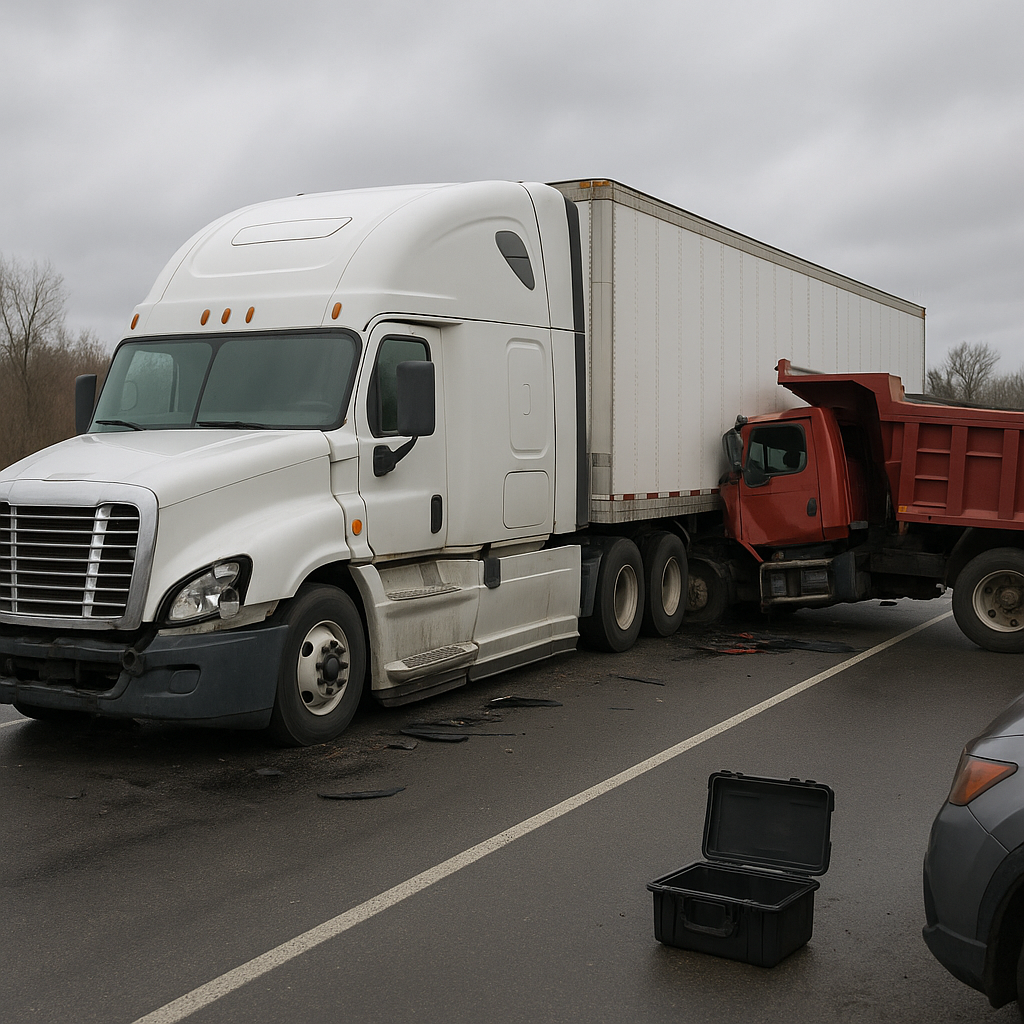
It’s in these scenarios that the “rapid response team” within the trucking industry becomes most relevant. Typically, the team is dispatched following notification from a driver, dispatcher, or newly filed insurance report. Team members may include investigators, insurance adjusters, accident reconstruction experts, attorneys, and sometimes engineers. Their focus is collecting perishable evidence: roadway debris, tire marks, vehicle positions, and electronic data from truck onboard systems.
Typical Reporting Steps
The presence of these multiple agencies, along with a company’s rapid response team, adds layers to post-accident documentation and investigation. Each group has their own reporting requirements, documentation standards, and timelines—all designed to ensure accuracy, accountability, and regulatory compliance.
Documentation Typically Involved
Documentation is the cornerstone of any investigation into trucking accidents. Rapid response teams in Nevada trucking accidents prioritize the collection and preservation of time-sensitive evidence. Typical forms of documentation may include:
– Photographs and Video: Images of vehicle damage, debris fields, roadway markings, and the accident surroundings can be vital for later analysis.
– Electronic Data: Modern trucks are equipped with Electronic Control Modules (ECMs) and other telematic systems. These can provide data on vehicle speed, braking, acceleration, and steering at the time of the accident.
– Statements and Witness Accounts: Rapid response teams often coordinate with law enforcement to identify and record information from witnesses, drivers, and passengers.
– Vehicle and Cargo Inspection Reports: These reports assess damage, check for mechanical defects, and analyze load securement.
– Compliance and Logbook Reviews: Given federal and state regulations governing driver working hours and maintenance logs, rapid response teams may review driver logs for potential violations.
– Environmental Impact Records: Accidents involving spills or hazardous materials require specialized documentation relating to containment and remediation efforts.
All collected documentation is critical for subsequent insurance claims, legal proceedings, and regulatory reviews. In Nevada, both public agencies and private rapid response teams must work together to ensure evidence is handled according to legal and professional standards.
Common Reporting Misunderstandings
The involvement of rapid response teams in trucking accident investigations can sometimes create confusion for those not familiar with the process, especially on Nevada’s highways. Several common misunderstandings may arise:
– Assumption of Law Enforcement Exclusivity: Crash victims and witnesses may believe only law enforcement are authorized to manage accident scenes and collect information. However, private rapid response teams are often operating in parallel, as long as they are not interfering with official police work.
– Extent of Documentation Needed: The sheer amount of documentation can be overwhelming. Some may not realize the variety of evidence being collected, especially electronic data from trucks.
– Purpose of Rapid Response Teams: These teams are sometimes mistaken for public officials. Their actual role is to protect corporate or insurance interests and prepare for potential litigation or claims.
– Belief That Reports Are Single-Source: Many expect that “the accident report” is a solitary, definitive document. In reality, multiple reports may be generated by police, NDOT, federal agencies, and any rapid response or insurance teams involved.
– Confusion about Legal Rights: Some parties may be uncertain if interaction with a rapid response team affects their legal standing or obligations. While these teams are an expected component in the trucking industry, their presence does not substitute for law enforcement duties.
– Timeline Expectations: The rapidity with which these teams arrive may seem unusual to victims or witnesses, leading to questions about how and why they were summoned so quickly.
Recognizing these potential misunderstandings can help those involved in or witnessing an accident better comprehend the complex nature of commercial trucking crash investigations in Nevada.
Closing Thoughts
Rapid response teams play a pivotal role in the aftermath of trucking accidents on Nevada’s highways, bringing specialized skills, technology, and documentation practices to the scene often within hours. While their primary responsibility is to the entities they represent—usually insurers or trucking companies—their involvement frequently intersects with state and federal agencies. As Nevada continues to function as a major transportation corridor for commercial trucks, understanding the structure, objectives, and procedures surrounding rapid response teams is increasingly relevant for all drivers and industry stakeholders. With many agencies working collaboratively, the shared aim remains safety, thoroughness, and accurate recordkeeping after any significant highway event.