
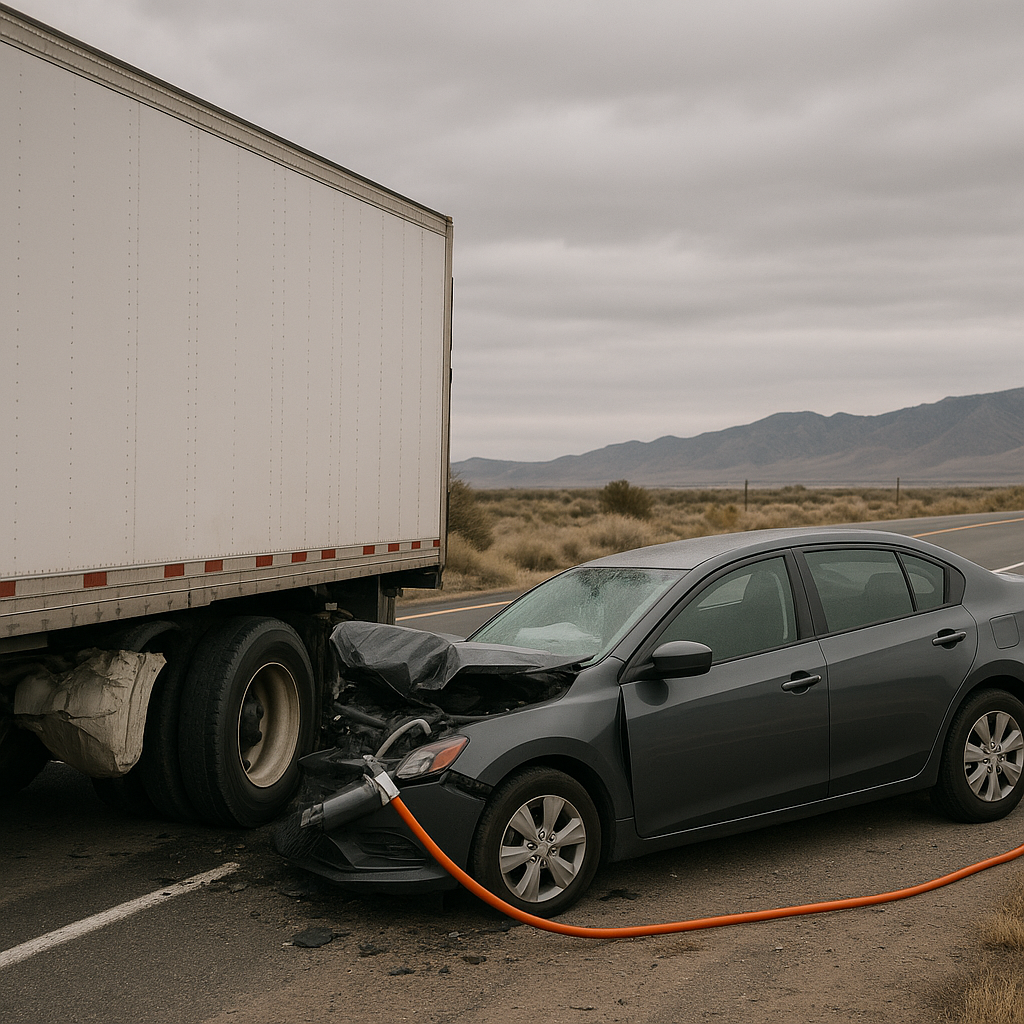
When Extrication is Needed After Nevada Truck Crashes
Nevada’s bustling highways and major transport corridors see thousands of commercial truck trips each week. Heavy truck crashes, while rare compared to passenger vehicle accidents, often carry a higher risk for severe injuries or fatalities due to the size and weight discrepancy between vehicles. In certain collisions, “extrication” becomes necessary—a process where emergency responders use specialized tools and techniques to free a person trapped inside a vehicle. Understanding the circumstances when extrication is needed after a Nevada truck crash, the response framework, and the most common reporting processes can improve public awareness and safety outcomes following these critical events.
Overview of Crash Response and Reporting Systems in Nevada
When a significant truck crash occurs on Nevada roads, a coordinated chain of response immediately sets into motion. The priority is always the preservation of life, and when there are indications that individuals are trapped and cannot exit a vehicle by normal means, fire and rescue teams are dispatched with extrication equipment.
Nevada’s emergency response systems are managed at both the state and municipal level. The Nevada Department of Public Safety (NDPS), Nevada Highway Patrol (NHP), county sheriff’s offices, and city police departments may all respond, depending on location and crash severity. Additionally, local fire departments maintain specialized units trained in vehicle extrication, often equipped with hydraulic “jaws of life” or similar rescue tools.
While every crash is unique, the overarching system is designed to ensure a swift, unified response to incidents where extrication may be required. Coordination between 911 dispatchers, law enforcement, emergency medical services (EMS), and fire departments is vital. The ability to accurately convey the need for extrication—such as a person being trapped by twisted metal or non-operational doors—significantly impacts how resources are dispatched and prioritized.
Common Agencies and Reporting Steps
In the state of Nevada, multiple agencies can become involved following a serious truck collision, particularly when extrication is needed. Key responders commonly include:
– Nevada Highway Patrol (NHP): Often the lead agency on highways and interstates. NHP manages traffic flow and secures the accident scene.
– County Sheriff’s Offices and Local Police Departments: Respond in their respective jurisdictions, especially on non-state roads or within city limits.
– Fire Departments: Local fire and rescue teams are trained to assess crash scenes and perform extrication using specialized equipment.
– Emergency Medical Services (EMS): Paramedics assess and treat injuries on site, often working in tandem with fire crews during extrication.
– Nevada Department of Transportation (NDOT): May be notified for traffic control or hazardous material concerns, particularly if trucking cargo spills.
The presence and extent of extrication needs are communicated by first arrivals at the scene—often law enforcement or bystanders who contact 911. Emergency dispatchers then alert all necessary agencies, specifying details such as the type of vehicles involved, the number of people potentially trapped, the nature of their entrapment, and any hazardous materials that may be present.
Once on scene, responders prioritize assessment, stabilization, and communication. Collaboration is key: law enforcement and EMS work to keep bystanders safe and routes clear for additional emergency vehicles, while fire personnel use their training and tools to begin the extrication process as quickly as safety constraints allow. It’s not uncommon for multiple agencies’ personnel to work shoulder-to-shoulder, each fulfilling a role to protect life and preserve the scene for subsequent investigation.
Documentation Typically Involved
After any significant Nevada truck crash, especially those necessitating extrication, a comprehensive and collaborative process of documentation unfolds. Accurate reporting is essential for record-keeping, insurance claims, public safety improvement, and—when necessary—accident investigation.
Common types of documentation include:
– Incident/Crash Reports: Officers at the scene compile detailed narratives outlining the sequence of events, vehicles involved, and observable factors (such as road or weather conditions).
– Extrication Logs: Fire and rescue agencies document rescue methods, duration of extrication, and equipment used. This information provides a record of the technical aspects of the rescue, and can be important for agency training and later reviews.
– EMS Patient Care Reports: Medical professionals log injuries, observed symptoms, medical interventions performed at the scene, and extrication’s role in any medical complications.
– Photographic Evidence: Law enforcement and sometimes fire departments take scene photographs showing vehicle positions, damage, and rescue efforts.
– Witness Statements: Bystanders, passengers, and involved drivers may be interviewed for their accounts, which help fill information gaps that physical evidence alone cannot address.
Each agency maintains its respective records, yet there is substantial information sharing to ensure a clear, unified picture of the crash. This is especially vital in complex incidents where extrication is needed, as the precise timeline and details may be critical for subsequent inquiry or analysis.
Common Reporting Misunderstandings
Despite the robust response and reporting framework in Nevada, misunderstandings sometimes arise about how extrication needs are determined, which agencies should be called, or what documentation is necessary.
Some common misconceptions include:
– Assuming law enforcement alone handles all aspects of a crash: In reality, fire/rescue and EMS are essential when extrication is needed. All agencies work in tandem, but their roles differ.
– Believing extrication refers only to “cutting open” vehicles: While tools such as the jaws of life are iconic, extrication can involve numerous methods, including removing a portion of a vehicle, prying open doors, or simply repositioning seats.
– Overlooking the importance of precise reporting at the scene: Inaccurate or incomplete descriptions to 911 or responding personnel can delay the arrival of needed extrication teams or result in underestimating the resources needed.
– Confusion about the accessibility of reports: Certain records—particularly those related to ongoing investigations—may not be immediately available to the public or involved parties, leading to frustration or miscommunication post-crash.
These misunderstandings underscore the importance of public awareness and education surrounding Nevada’s multidisciplinary approach to serious truck crashes, as well as the processes that follow when extrication is necessary.
Neutral Closing Paragraph
The requirement for extrication after a Nevada truck crash marks a particularly serious incident, activating a network of specialized responders dedicated to rapid, coordinated action. While the process involves a range of agencies and comprehensive documentation, its central goal remains consistent: protecting life and improving roadway safety. Increased awareness of how extrication needs are reported and managed contributes to a more informed, prepared public—an important step toward reducing the risks and consequences of serious vehicle accidents on Nevada’s roads.