
Why Crash Reports Are Delayed After Serious Semi Accidents
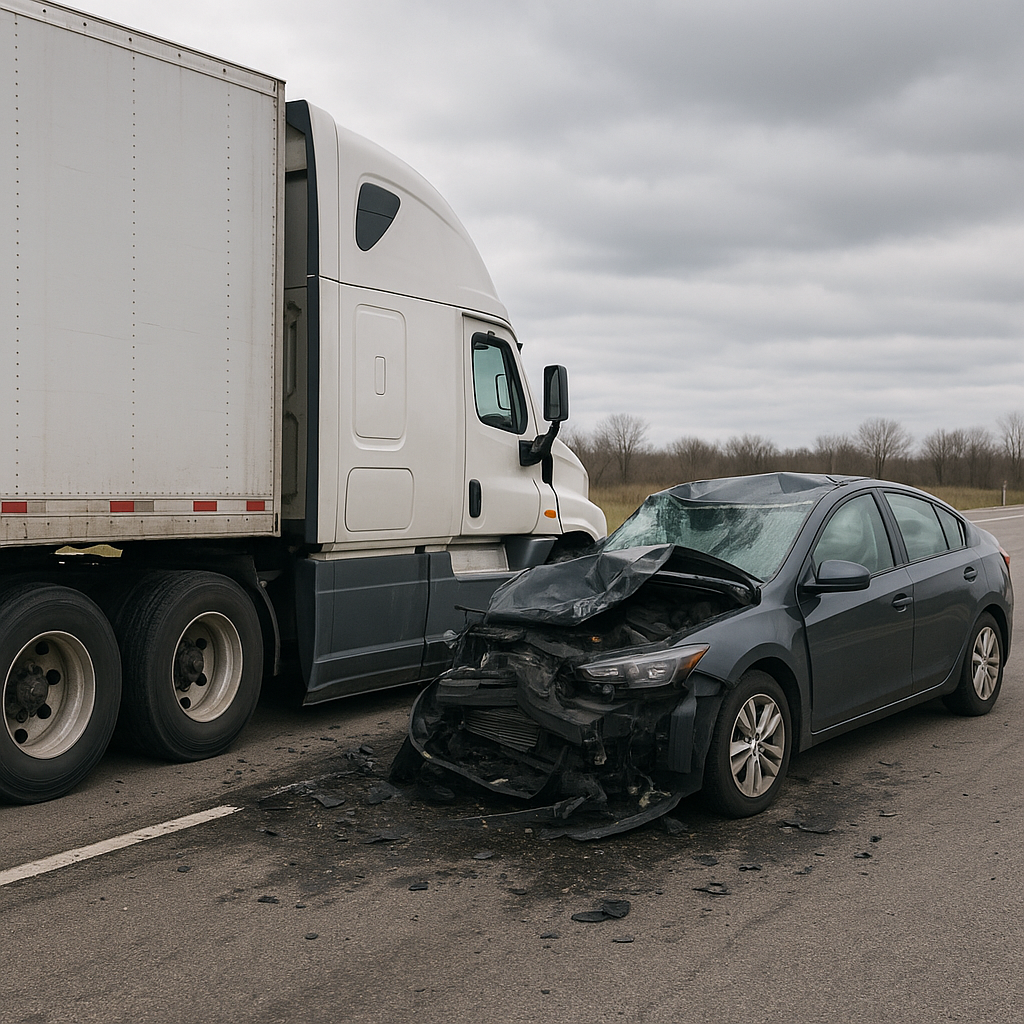
When a serious semi-truck accident occurs on Nevada’s highways, the aftermath extends beyond the immediate emergency response. One unexpected but common frustration is the delay in receiving official crash reports. These documents are crucial for insurance, commercial operations, and sometimes legal proceedings, yet recipients often find themselves waiting weeks or even months for them. But why are crash reports delayed after serious semi accidents? Understanding Nevada’s crash response system, the agencies involved, and the rigorous documentation process provides clarity—and highlights prevailing misconceptions about the reporting timeline.
Overview of Crash Response and Reporting Systems in Nevada
Nevada’s sprawling landscapes, major transport routes like I-15 and US-95, and growing urban centers make the state a central hub for semi-truck traffic. When a serious collision involving a semi occurs, the crash triggers a swift and structured response. Local law enforcement, sometimes Nevada Highway Patrol (NHP), and emergency services mobilize quickly, but their primary priority is safety: securing the scene, attending to the injured, and preventing further hazards.
Once immediate risks are addressed, the focus shifts to investigating the cause of the crash and documenting the event. Nevada’s reporting system operates within a framework of state laws and internal protocols that aim to balance thoroughness, accuracy, and public safety.
However, a semi-truck accident presents unique challenges compared to passenger vehicle collisions. Large-scale incidents often involve hazardous materials, major traffic disruptions, multiple vehicles, and significant property loss. Investigators face a multi-layered task: reconstructing complex sequences of events, interviewing a large number of witnesses, analyzing extensive physical evidence, and sometimes coordinating with federal agencies if the accident crosses state lines or involves interstate commerce.
Common Agencies and Reporting Steps
Several public safety and investigative agencies are involved when crash reports are delayed after serious semi accidents in Nevada. The most common include:
– Nevada Highway Patrol (NHP): The highway patrol is primarily responsible for investigating crashes on state and interstate highways. Their Commercial Enforcement Unit often becomes involved when a semi or other commercial vehicle is part of the crash.
– Local Law Enforcement Departments: City or county law enforcement may respond to accidents within their jurisdictions. In more rural areas, sheriff’s deputies may be first on the scene.
– Nevada Department of Transportation (NDOT): While not directly responsible for crash investigation, NDOT may be involved in road closures or infrastructure assessment.
– Federal Agencies: If hazardous cargo, environmental threats, or interstate concerns are present, agencies like the National Transportation Safety Board (NTSB) or the Federal Motor Carrier Safety Administration (FMCSA) may provide support.
Investigators from these agencies follow a process that can be both thorough and time-consuming. This includes:
– Securing and documenting the accident scene
– Interviewing all involved drivers, passengers, and witnesses
– Reviewing dashcam and surveillance footage
– Collecting and analyzing electronic logging devices (ELDs) and onboard computers from commercial vehicles
– Compiling data on driver hours, maintenance logs, and cargo manifests
The comprehensive nature of this process is a fundamental reason why crash reports are delayed after serious semi accidents. Each step aims to ensure the final report is complete, precise, and reliable.
Documentation Typically Involved
A crash involving a semi-truck requires documentation far beyond the basics. The typical paperwork and evidence collected might include:
– Driver and Witness Statements: Officers gather accounts from everyone present, often requiring follow-up for clarification or additional details.
– Photographic and Video Evidence: High-resolution photos of the scene, vehicle positions, damage, signage, skid marks, and road conditions are crucial. If available, law enforcement may incorporate public and private surveillance footage.
– Commercial Vehicle Records: Semi-trucks are subject to a host of federal and state regulations. Investigators review licenses, logbooks, load manifests, and maintenance records, all of which can influence both the sequence of events and fault assessment.
– Environmental Reports: If spilled fuel, hazardous materials, or roadway damage occurs, agencies may request environmental and structural assessments.
– Toxicology and Medical Reports: In severe accidents, drug or alcohol testing of drivers is standard, as are injury assessments from medical responders.
– Data Recorder Downloads: Modern commercial vehicles are equipped with “black boxes” (Event Data Recorders), offering technical data on vehicle speed, braking, and performance in the seconds leading up to the collision.
Each document must be gathered, reviewed, and integrated into the final crash report. Coordinating this evidence between multiple agencies and returning comprehensive findings is an inherently complex—and potentially slow—process.
Common Reporting Misunderstandings
Many drivers, fleet companies, and claimants assume that acquiring an official crash report should be a matter of days, especially given advancements in police technology and incident management. This expectation can lead to confusion or frustration when crash reports are delayed after serious semi accidents.
Several misunderstandings commonly arise:
– Overestimating Digital Processing: While Nevada agencies utilize digital systems for some documentation, the intricacies of a semi-truck crash investigation often require in-person follow-up, technical analysis, and cross-agency collaboration—all of which can slow down the process.
– Scope of Preliminary Documents: Immediately after the crash, an incident summary or basic report may become available. However, these early records lack the in-depth analysis and corroboration present in the final report. Many mistake these preliminary documents for the completed, official report.
– Role of Ongoing Investigations: If fault, criminal activity, or egregious violations of law are suspected, crash investigations may pause or be extended until all aspects are resolved. Some evidence, such as toxicology results or download from vehicle computers, may take weeks to finalize.
– Public vs. Private Access: Some information in a serious semi accident may be withheld from the public or requesting parties if an active criminal investigation is underway or if sensitive materials are involved. This necessary caution can further lengthen the delay.
Understanding these factors helps clarify why comprehensive crash reports, particularly those involving commercial vehicles, are not immediately accessible.
Neutral Closing Paragraph
Delays in receiving official crash reports after a serious semi accident in Nevada are often rooted in the necessity for exhaustive investigation and documentation. While these waiting periods can be inconvenient for those seeking answers or resolutions, the thoroughness required ensures that the facts are established accurately and responsibly. Awareness of the processes and agencies involved can provide perspective, emphasizing that the time invested aims to benefit public safety and the integrity of future decisions stemming from these critical incidents.