
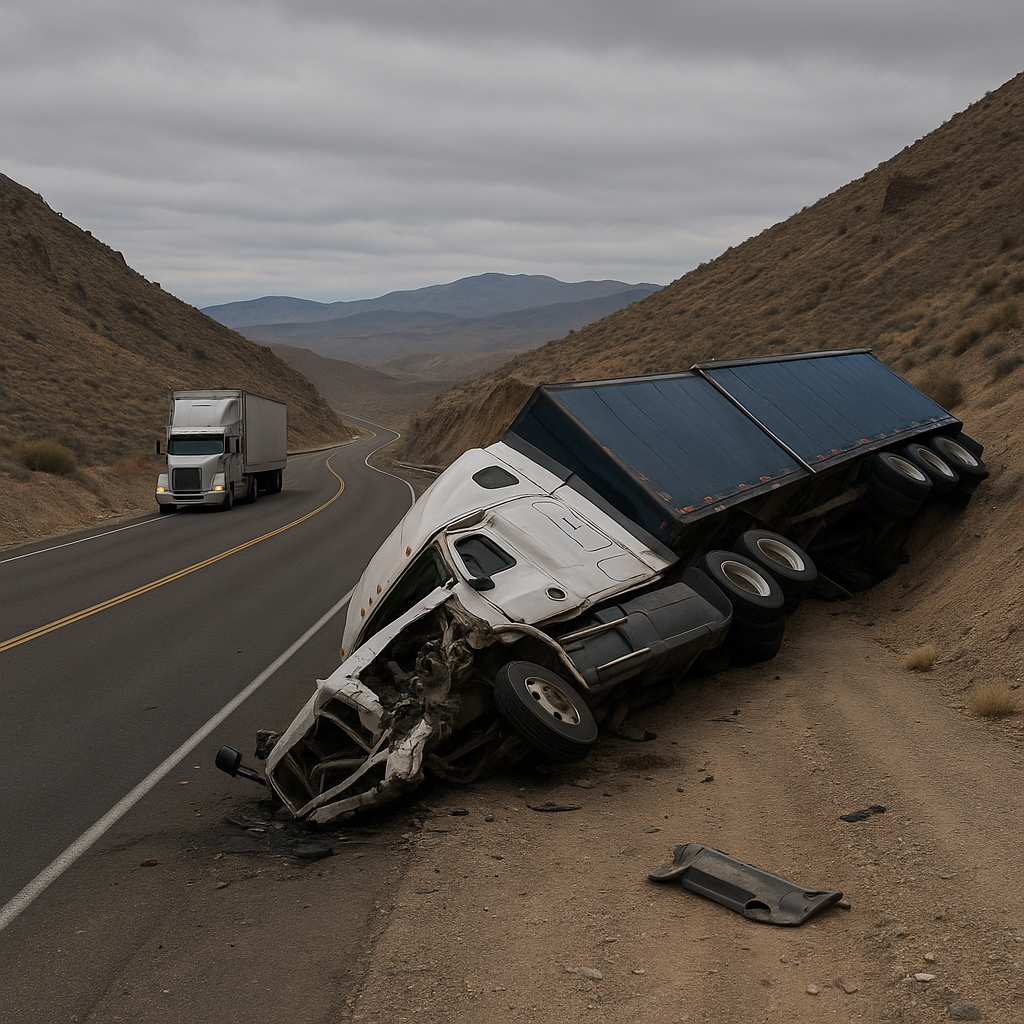
Why Do Semi Trucks Crash on Downhill Grades in Nevada?
Why Nevada Drivers Ask This Question
If you drive Nevada’s highways, especially the routes that twist through the mountains and long desert valleys, you’ve likely seen or heard of semi trucks crashing on steep downhill grades. From closures on I-80 over Donner Pass to accidents near the infamous icy patches on US 50, these incidents often cause major backups, raise safety concerns, and even make headlines. Nevada drivers—truckers, locals, and travelers alike—want to know: Why do semi trucks crash on downhill grades in Nevada so often?
Clear Explanation with Nevada Context
The combination of Nevada’s mountainous terrain, extreme temperature variations, and heavy truck traffic creates unique hazards for semi-trucks traveling downhill. Unlike flat states, Nevada’s major highways frequently descend from high elevations, requiring constant attention to braking and speed control. Here are several factors, specific to Nevada, that contribute to crashes involving semi-trucks on downhill grades:
– Steep and Prolonged Descents: Routes such as I-80 and US 93 have long, steep stretches where gravity quickly increases a truck’s speed. Without proper technique and equipment, these grades easily overwhelm braking systems.
– Desert Climate Extremes: Nevada’s temperature swings—from freezing nights to scorching days—stress truck components. Brake systems are especially vulnerable: prolonged braking heats up brake pads, and in desert heat, they may fail sooner.
– High Altitude: Many Nevada passes are well above 5,000 feet, meaning thinner air. Engines provide less retarding power and brakes can overheat more quickly during descents.
– Unexpected Road Conditions: Sudden weather changes can mean rain or black ice, especially in winter or early spring. These changes are difficult to predict and can catch even experienced drivers unprepared.
– Truck Traffic Volume: Nevada is a crucial corridor for westbound and eastbound freight, meaning a higher number of trucks—often loaded to capacity—share the road.
– Limited Truck Escape Ramps: Not all downhill sections are equipped with sufficient runaway truck ramps, leaving drivers fewer options if brakes fail.
Put together, these unique Nevada features turn downhill grades into high-risk zones for semi-trucks. The risk is amplified for out-of-state and rookie drivers who may not be familiar with how Nevada’s environment affects mountain driving.
Helpful Background Information
To understand why so many semi trucks crash on Nevada’s downhill grades, it helps to know how heavy truck braking works—and what can go wrong. Semi trucks are fitted with powerful air brake systems, designed to slow huge loads over thousands of miles. However, these brakes generate enormous heat. On long descents, relying solely on brakes without using lower gears (“engine braking”) can cause brake pads and drums to heat up, fade, and eventually stop working altogether. This phenomenon, known as “brake fade,” is one of the top reasons heavy trucks lose control on downhill grades.
Nevada’s rugged geography means many freight routes descend for miles, offering few flat stretches to help dissipate speed. The combination of length, grade, and sometimes curving roads amplifies the risk of losing control if brakes are not carefully managed. Moreover, during the summer months, Nevada’s relentless sun pushes pavement temperatures far above the ambient air, further taxing brake systems. Conversely, in winter, a sudden snowmelt can freeze overnight, creating black ice that is nearly invisible and extremely hazardous.
Long-haul truckers often traverse several states before reaching Nevada’s mountains. By the time they approach grades like Pequop Summit or Pahranagat Pass, fatigue can also play a role—affecting reaction times and judgment, both critical on steep descents.
Common Misconceptions
Many people assume that semi truck crashes on downhill grades in Nevada are always the result of reckless driving or inadequate training. While both of these can be factors, the reality is more complex. Here are some widespread misconceptions:
– “Good brakes make you safe on any hill.” Even new or well-maintained brakes can overheat or fail if misused on long grades, especially in Nevada’s conditions.
– “All truck routes in Nevada have escape ramps.” In fact, many of the most dangerous grades have limited or no escape ramps, making brake failure more dangerous.
– “Crash risks only occur in winter.” While winter weather increases hazards, summer heat is equally problematic due to accelerated brake wear.
– “Experienced drivers never have problems.” Even seasoned drivers can encounter unforeseen issues, from wildlife running across a grade to losing traction on an unexpectedly icy stretch.
Understanding the real reasons behind semi truck crashes on Nevada’s downhill grades can help all drivers (and fleet operators) prepare better and maintain a higher level of caution across the state’s diverse and demanding terrain.
Closing Paragraph
Semi trucks crash on downhill grades in Nevada due to a blend of steep mountain passes, harsh weather shifts, long descents, and heavy trucking traffic unique to the Silver State. Add in factors like high altitudes, limited escape ramps, and the ever-present challenge of managing momentum, and it’s clear why these stretches are so treacherous—even for veteran drivers. While Nevada’s transportation routes are vital to the nation’s economy, it’s crucial for everyone on the road to recognize and respect the risks specific to these grades. Understanding the challenges—and dispelling misconceptions—can help every driver contribute to safer highways across Nevada.