
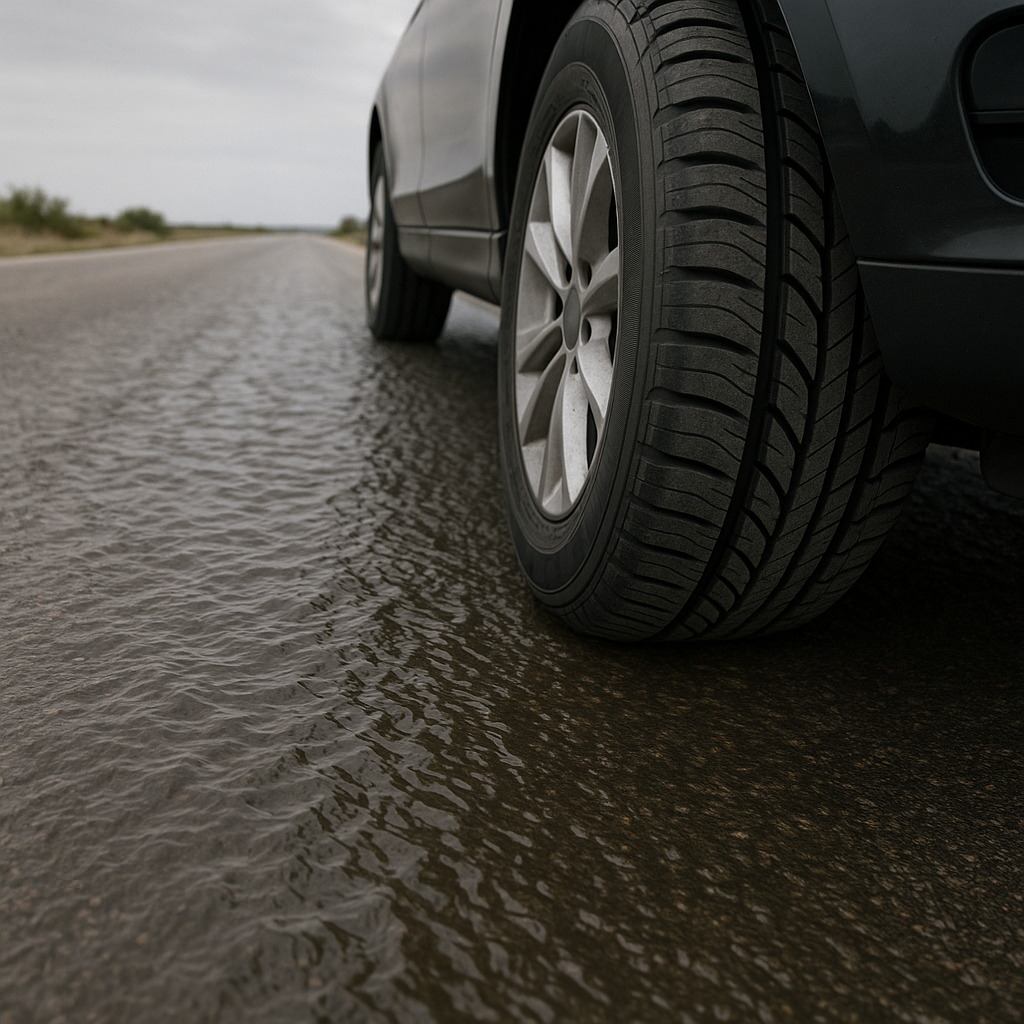
Why Hot Pavement Affects Tire Traction in Nevada
Nevada’s climate is renowned for its intense heat and relentless sunshine, especially during summer. Temperatures soaring well above 100°F are common across the state, and this extreme warmth doesn’t just affect people—it also significantly impacts road surfaces and how vehicles grip the pavement. Understanding how hot pavement affects tire traction is crucial for both drivers and fleet operators in Nevada.
Overview of Nevada’s Heat and Road Conditions
Nevada’s geography includes expansive deserts, high-altitude basins, and a largely arid climate. As spring transitions into summer, the sun’s rays heat asphalt surfaces quickly. Pavement temperatures can climb to 140°F or more—often 40 to 60 degrees hotter than the air temperature itself.
Asphalt’s dark color and thermal properties mean it absorbs and retains heat, especially in the afternoon. Every vehicle, from compact sedans to heavy haulage trucks, interacts with these overheated roadways. Yet, the physical changes that occur on hot pavement are less understood by many drivers.
Why does hot pavement affect tire traction? In simplest terms, high heat causes both road and rubber to soften. This alters the delicate balance of forces between your tires and the road surface, sometimes reducing grip when it’s needed most.
How This Condition Affects Trucks Differently Than Cars
While every vehicle relies on traction for safe operation, trucks and cars experience the effects of hot pavement in different ways.
1. Tire Construction and Load
Large trucks carry significantly heavier loads and have more tires on the road than the average passenger car. A truck tire’s wider contact patch and higher load mean it generates more heat while operating, compounding the issue of already hot pavement.
– Passenger Cars: Their tires, though smaller, can still overheat. Excess heat may soften the rubber, leading to increased wear and reduced traction. Some modern tires use special compounds to withstand heat, but prolonged exposure can affect any tire’s integrity.
– Trucks: The enormous weight means truck tires flex more and can heat up internally, especially on uphill grades like those found on Highway 95 or around the Sierra slopes. When combined with hot pavement, tires may start to “grease up”—the surface of the tread becomes slick, further decreasing traction.
2. Braking and Maneuvering
Most trucks use air brakes, which can also fade in intense heat. If the tire is slick from excessive heat, and the asphalt is softer or oilier, stopping distances increase. Maneuvering a heavy vehicle under these conditions becomes riskier.
– Passenger cars with anti-lock brakes can mitigate some risk, but hot pavement may still cause vehicles to skid or hydroplane after monsoon rainfall.
– Trucks are at higher risk of “jackknifing”—where the trailer pushes the cab—because of poor grip, especially during evasive maneuvers.
Why Crashes Can Become Severe Under These Conditions
Nevada’s highways can seem endless, with open sight lines and few traffic interruptions. However, the deceptive safety of these roads can be compromised on sizzling pavement.
1. Reduced Reaction Time: When traction decreases, so does a vehicle’s ability to respond quickly. Even a minor miscalculation—such as a sudden lane change or hard braking—can spiral into loss of control.
2. Longer Stopping Distances: Both cars and trucks need more distance to safely stop when tire grip is reduced, particularly on sloped highways or in areas with heavy traffic merging, such as I-15 near Las Vegas.
3. Severity of Impact: The faster vehicles travel—common on rural Nevada roads—the higher the energy involved in a crash. Reduced traction can mean higher impact speeds if brakes are not as effective.
4. Tire Blowouts: Overheated tires can delaminate or burst, especially if under-inflated. A tire blowout at freeway speed can quickly evolve into a multi-vehicle pile-up, particularly if the driver loses control on hot pavement.
5. After Rainfall: Nevada’s rare but intense summer storms can wash away months of built-up oil and debris from roadways. When combined with lingering hot pavement, this “oil slick” effect can make roads extremely slippery, further degrading traction.
Common Seasonal Patterns in Nevada
Nevada’s weather shapes its driving conditions throughout the year, but certain patterns amplify the risks associated with hot pavement.
Summer (June-August):
These are the hottest months, with record-setting temperatures especially in Las Vegas, Laughlin, and the Mojave corridor. Pavement can reach critical temperatures by late morning and stay hot well past sunset.
Spring (March-May):
Warming trends begin early. Sudden heat waves can catch drivers off guard, with tire failures more common as old winter-worn tires are exposed to new stresses.
Monsoon Season (July-September):
Sudden, heavy thunderstorms—particularly in southern Nevada—can bring flash flooding, standing water, and oil-slicked pavement following dry spells. Hot pavement combines with water to create hazardous, low-traction surfaces.
Autumn and Winter:
Milder daytime highs usually reduce the risk, though in rural Nevada, warm days and cool nights can result in temperature swings that stress road materials and can still contribute to rare but notable traction issues on newly-repaved or resealed surfaces.
Neutral Closing Paragraph
Nevada’s extreme climate makes it one of the most challenging states for maintaining tire traction, especially during the blistering heat of summer. Whether driving a family car through the Red Rock Canyon or piloting a multi-axle truck across the high desert, it’s essential to understand how hot pavement affects tire traction and adjust driving accordingly. Staying aware of seasonal patterns, regular tire maintenance, and adapting driving habits can help everyone safely navigate Nevada’s unique and often unpredictable road conditions.