
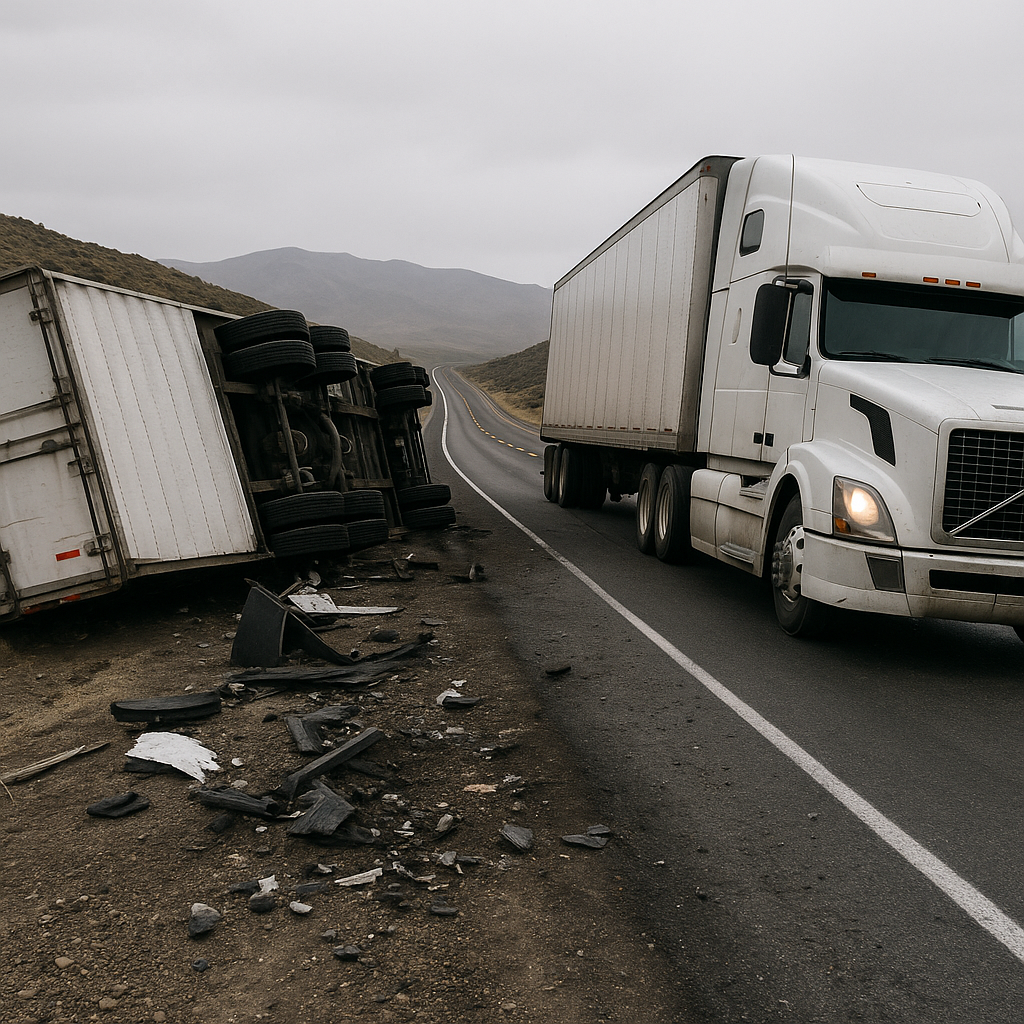
Why is US-95 Dangerous for Semi Truck Crashes?
US-95, stretching across Nevada, is notorious for being one of the most hazardous highways, especially for semi trucks. High-profile truck crashes have made headlines, causing many to wonder: why is US-95 dangerous for semi truck crashes? To understand this issue, it is essential to look at both the unique features of this highway and the specific challenges faced by drivers in the Silver State.
Why Nevada Drivers Ask This Question
Nevada drivers—whether residents, over-the-road truckers, or commuters—frequently travel on US-95. Stretching from the southern tip of Nevada near Las Vegas all the way up to the Oregon border, US-95 is a major commercial and commuter artery. With its mix of urban, rural, and isolated desert stretches, accidents involving large trucks have significant repercussions. Many people want to know: What makes US-95 particularly dangerous for semi truck crashes, and how does it compare to other highways in the state?
Clear Explanation with Nevada Context
US-95’s danger for semi trucks is due to a convergence of conditions unique to Nevada. The highway features:
– Long, isolated stretches: Between Las Vegas and northwestern Nevada, drivers can travel for hours without encountering a city or even a small town.
– Limited infrastructure: Emergency services, lighting, and cellphone coverage can be sparse—especially between Tonopah and Hawthorne.
– Heavy truck traffic: As a key route for commerce, US-95 sees a high volume of semi trucks carrying freight between Las Vegas, Reno, and beyond.
– Monotonous scenery: The endless desert landscape can lead to driver fatigue and decreased situational awareness.
– Variable weather: The highway is subject to extreme summer heat, winter snow at higher elevations, flash flooding, and high winds—all of which pose added risks for large trucks.
– Narrow lanes and few passing zones: Some sections are two-lane roads with limited shoulders, making passing tricky and leaving little room for error or evasive maneuvers.
– Wildlife crossings: The surrounding desert and rivers are frequented by deer and other wildlife, increasing the risk of sudden hazards in the road.
These challenges combine to create an environment where semi truck crashes are more likely, and often more severe.
Helpful Background Information
US-95 has long been the backbone of north-south travel in western Nevada. Originally constructed decades ago, substantial stretches have not kept pace with the growth in commercial trucking and modern vehicle sizes. Many parts of US-95 still lack median barriers, and road maintenance can be variable due to budgeting priorities and harsh weather that punishes pavement year-round.
Truck drivers face additional hazards specific to long-distance hauling in Nevada:
– Distance and fatigue: Many truckers push through long hours to meet delivery deadlines between cities like Reno, Las Vegas, and beyond. The monotony of US-95 can aggravate fatigue, a major factor in trucking accidents.
– Limited services: Unlike interstates nearer to major population centers, services such as rest stops, fuel, and emergency mechanics are few and far between. Drivers must plan carefully or risk running low on supplies or support should a problem arise.
– Isolation: In the event of a breakdown or accident, response times from emergency services can be lengthy, increasing risks for all involved.
Moreover, US-95 is a mixing zone for local, tourist, and commercial traffic. Local farm equipment and vacation vehicles often travel at vastly different speeds compared to semis, making sudden slowdowns or speed differences a common hazard.
Common Misconceptions
There are several misconceptions about why US-95 is dangerous for semi truck crashes:
– Misconception #1: Only inexperienced truck drivers crash on US-95. In reality, even highly experienced drivers are not immune to the unique dangers posed by the route, like unexpected weather, wildlife, or fatigue.
– Misconception #2: The road is safe because it looks straight and clear. While sections appear straight, the lack of visual variety can lull drivers into a false sense of security, increasing the risk of errors.
– Misconception #3: Upgrades are complete or ongoing. Some may assume continued roadwork has resolved safety issues, but much of US-95 remains two-lane and lacks certain modern safety features, especially north of Tonopah.
– Misconception #4: All accidents are due to speeding or reckless driving. Although these factors play a role, environmental hazards—wind, dust storms, ice, and even microbursts—are major contributors.
Closing Paragraph
In summary, the answer to “why is US-95 dangerous for semi truck crashes” lies in the road’s Nevada-specific mix of isolation, heavy truck volume, limited infrastructure, and extreme environmental conditions. These factors, paired with the realities of long-haul trucking, make US-95 a particularly risky highway for semi trucks. While state and federal officials continue working on solutions, it remains important for both truckers and everyday drivers to be aware of the unique challenges posed by this key Nevada route and take every possible precaution to travel safely.