
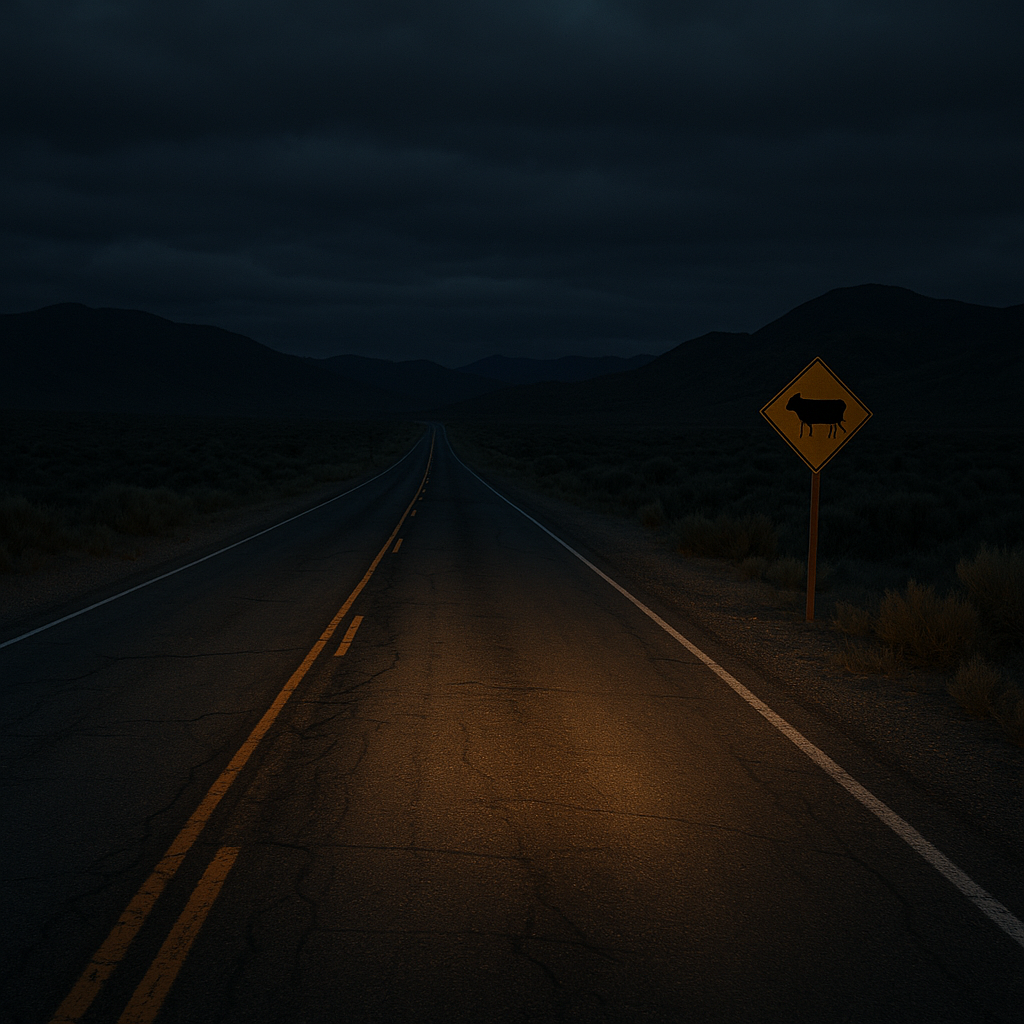
Why Rural Nevada Roads Are Dangerous at Night
Rural Nevada is known for its stunning desert landscapes, rugged mountains, and endless open highways—appealing to adventurers and long-haul travelers alike. But after sundown, these same remote roads can become perilous, presenting unique hazards not found in urban or suburban settings. Understanding why rural Nevada roads are dangerous at night is essential for anyone driving through the Silver State’s less populous regions, especially when factoring in the region’s distinct weather patterns, wildlife, and isolation.
Overview of the Nevada Weather or Road Condition Factor
Nevada’s geography spans high deserts, mountain ranges, and wide valleys, leading to a combination of weather and road conditions that can pose significant challenges overnight. The state’s rural roads are often narrow, winding, and lightly traveled, with stretches that may go miles without streetlights, cell service, or amenities.
At night, several key factors contribute to the danger:
Limited Visibility: The vast majority of rural Nevada roads lack artificial lighting. Incomplete or missing road markings can make it difficult to maintain lane position, especially in pitch-dark conditions far from city lights.
Wildlife: Animals like mule deer, antelope, and wild horses frequently cross highways, especially during dawn, dusk, and overnight hours, catching drivers off guard.
Temperature Swings: Nevada’s high desert climate can see dramatic temperature drops after sunset. In colder months, sudden freezing can cause “black ice”—a transparent, hard-to-detect layer of ice—on bridges and shaded roadway sections.
Remote Isolation: If a problem arises, roadside assistance or emergency response may be hours away. Limited cell service means drivers can be unable to call for help.
All these elements increase the risks for nighttime travelers on rural routes, demanding even greater vigilance than day driving.
How This Condition Affects Trucks Differently Than Cars
Long stretches of Nevada’s highways serve as major routes for trucks and commercial vehicles moving goods between California, Utah, and beyond. Navigating these roads at night can be uniquely challenging for truck drivers:
Braking Distances: Semi-trucks and large commercial vehicles require more distance to stop than passenger cars. On dark, rural roads, spotting obstacles, wildlife, or sudden changes in road conditions late can mean there isn’t enough space to react safely.
Visibility Issues: Trucks sit higher than most cars, and their lights may not fully illuminate the road directly in front or along the sides. On uneven or winding sections, dips and rises can hide hazards until it’s too late to respond.
Fatigue Risk: Truck drivers often travel late-night hours to meet delivery deadlines or avoid traffic. Prolonged driving in monotonous conditions can lead to fatigue, decreasing reaction times and increasing the chances of drifting off or missing unseen hazards.
Wind Susceptibility: Nevada is prone to high winds, especially at night in mountain passes or open valleys. Large trailers are more prone to tip-overs or instability in crosswinds.
A combination of these factors means that truck-related incidents on rural Nevada highways often result in lane blockages or large-scale closures, given the size and momentum involved.
Why Crashes Can Become Severe Under These Conditions
When accidents do occur on rural Nevada roads at night, they tend to be particularly severe for several reasons:
Excess Speed and Inattention: Long, straight stretches with little traffic may tempt some drivers to speed or become inattentive, both of which reduce reaction time and driver control. At higher speeds, accidents are more destructive for everyone involved.
Emergency Response Delays: Due to the isolation of many rural areas, it can take longer for first responders to reach crash sites. This delay can aggravate injuries and reduce survival chances in serious accidents.
Low Traffic: With relatively few cars on the road at night, an injured driver or passenger may wait a long time before another vehicle passes by to report an emergency or offer assistance.
Limited Escape Options: Narrow shoulders, drop-offs, or desert scrub leave little or no room to maneuver safely in a crisis, increasing the likelihood of rollovers or vehicles leaving the roadway entirely.
Truck Involvement: When large trucks are involved, especially at highway speeds, the collision forces are exponentially higher—and so is the potential for severe injuries, cargo spills, or pileups.
Altogether, these conditions make nighttime crashes on rural Nevada roads both more probable and often more catastrophic than comparable situations in urban settings.
Common Seasonal Patterns in Nevada
Nevada’s seasonality is another important factor influencing road safety, especially at night. Each season brings its own set of hazards:
Winter: High-altitude and northern regions of Nevada get snow, freezing rain, and “black ice.” Even in the southern desert, overnight temperatures can fall below freezing, catching travelers unprepared for icy pavement. Snowplows may take longer to reach isolated routes.
Spring: Spring can bring strong winds, rainstorms, and sudden dust storms (“haboobs”), dramatically reducing visibility and increasing accident risks for both trucks and cars.
Summer: Summer days in Nevada can reach temperatures well above 100°F, but nights offer little relief in terms of visibility. Wildlife is especially active during nighttime hours in the summer, seeking food or water after the heat of the day.
Autumn: With falling temperatures and the onset of migration seasons, deer and antelope crossings peak, greatly increasing collision risks at night.
In all seasons, the unpredictable Nevada weather magnifies existing dangers on rural highways, requiring extra caution from drivers regardless of the time of year.
Staying Safe on Nevada’s Rural Roads
Understanding why rural Nevada roads are dangerous at night can help drivers make safer choices. Limiting speed, staying alert, using high beams (when appropriate), and minimizing nighttime travel through especially remote areas are all sensible precautions. Preparing for changing weather and wildlife, and ensuring your vehicle is in top condition, increases safety for everyone on the road.
While Nevada’s scenic byways are beautiful by day, their nighttime hazards are very real. Respecting the state’s unique desert and mountain environment can help ensure your journey across rural Nevada is safe and uneventful, no matter when you travel.