
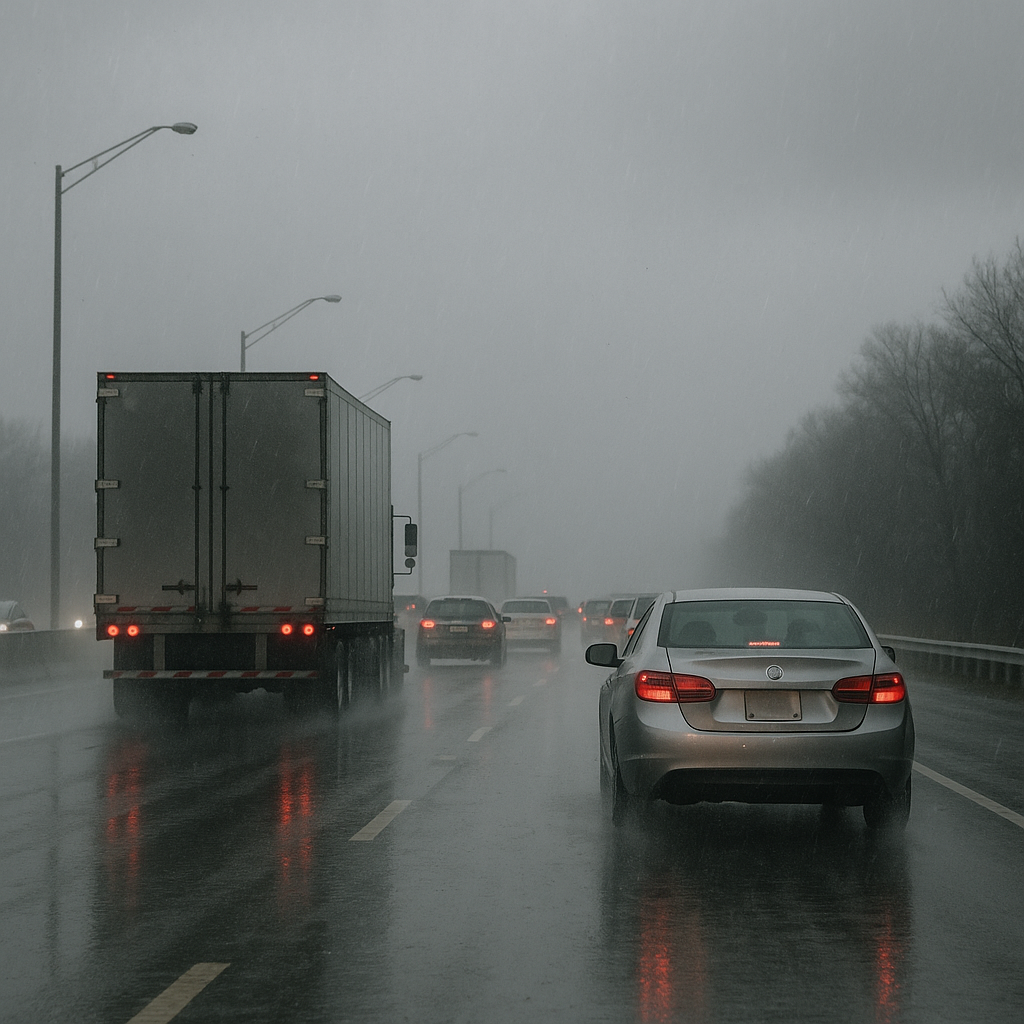
Why Weather Causes Sudden Traffic Slowdowns in Nevada
Nevada is famed for its wide-open roads stretching from the bustling streets of Las Vegas to the tranquil passes of the Sierra Nevada. Yet seasoned commuters and travelers alike know: it only takes a change in weather for traffic to grind to a near halt. If you’ve ever found yourself crawling across I-15 or inching along US-50, weather likely played a part. Understanding why weather causes sudden traffic slowdowns in Nevada is essential for safe travel and smart driving.
Overview of the Nevada Weather or Road Condition Factor
Nevada’s landscape, from blazing desert valleys to snow-capped mountains, creates a unique blend of road conditions. Most drivers expect sun, but Nevada is equally famous for its surprising weather mood swings: sudden downpours, swirling dust storms, icy stretches, and powerful crosswinds. Each of these weather phenomena introduces hazards that often compound due to the state’s vast distances and fast highway speeds.
Dust storms, or “haboobs,” are particularly notorious in southern Nevada, springing up swiftly and slashing visibility to a few feet. In the northern and western regions, snow and black ice can create dangerously slick highways, especially near mountain passes. Even a brief rain shower on sun-baked pavement can create hazardous oily surfaces, offering almost no grip for tires.
When these conditions hit, the immediate effect is panic braking and a ripple of reduced speeds. Drivers instinctively become defensive, increasing their following distances and slowing down—sometimes abruptly. These slowdowns may feel inexplicable, but are a direct consequence of rapidly changing road safety dictated by weather.
How This Condition Affects Trucks Differently Than Cars
Commercial trucks are the lifeblood of Nevada’s highways. With the I-80 and I-15 serving as major freight corridors, tractor-trailers are a constant companion for Nevada motorists. But when inclement weather strikes, big rigs react in ways that differ dramatically from passenger vehicles.
First, trucks have much longer stopping distances. On dry pavement, a loaded semi traveling at highway speeds can need up to 525 feet to stop. If you add rain, sleet, or ice, that distance grows considerably. Trucks don’t maneuver as nimbly either—a quick lane change or evasive action is harder to execute safely.
High winds—common in Nevada’s gritty valleys and open plateaus—pose an especially serious risk. Large-sided vehicles such as box trucks and trailers can sway, drift, or even tip over in gusts exceeding 40 mph. These wind-driven movements cause truckers to slow down more drastically than cars to maintain control and avoid jackknifing or fishtailing.
Visibility is another major factor. In dust storms or snow squalls, truck cabs can sit above the densest part of the storm, sometimes giving the driver slightly better visibility than in a car, but often the opposite is true: the higher vantage point exposes the cab to even more wind and blinding particles. Many truckers will “pull over and park” during zero-visibility conditions—a practice that, while necessary for safety, leads to sudden lane closures and bottlenecks.
The cumulative effect is that trucks slow down or stop earlier and more often than cars when weather conditions deteriorate, which often triggers a wave of brake lights and slowdowns among all following vehicles.
Why Crashes Can Become Severe Under These Conditions
Despite increased caution, adverse weather can transform a minor road mishap into a very serious crash. Nevada’s highways are marked by high average speeds and long stretches between urban centers. When weather causes sudden slowdowns, vehicles may approach congestion dangerously quickly, especially if they’re distracted or not keeping ample following distance.
Reduced visibility (from fog, dust, or snow) means drivers may not realize there’s a slowdown or stopped traffic ahead until it’s too late to react. Multi-vehicle pileups are a tragic possibility, particularly when visibility drops rapidly and drivers can’t see brake lights through the haze. This chain-reaction effect is well documented on highways like I-15 near Moapa or US-93 north of Ely, where rapid weather changes often precede pileups involving five or more vehicles.
Icy stretches or wet roads are particularly treacherous because they reduce tire grip. When a crash does occur, vehicles have a harder time stopping or maneuvering to avoid secondary collisions. Truck-involved crashes on slick Nevada highways can block multiple lanes and snarl traffic for hours, further amplifying the resulting slowdowns.
Meanwhile, emergency responders and tow trucks may face added difficulty reaching crash scenes—especially during whiteouts or on remote desert highways. This extends the duration of slowdowns and increases the chance of secondary incidents. Severe weather can transform minor accidents into highway-closing emergencies in Nevada.
Common Seasonal Patterns in Nevada
Nevada’s seasonal weather changes are as dramatic as its landscapes, with each season presenting unique risks that can cause sudden traffic slowdowns.
Summer brings intense heat punctuated by occasional monsoon storms. The Las Vegas Valley is prone to flash floods after heavy summer rainfall, with rapidly pooling water turning highways slick and concealing hazards like potholes or debris. Dust storms are most frequent from late spring through early autumn, especially after windy days or following thunderstorm outflows.
Winter is especially challenging in northern Nevada and higher elevations. Snow, sleet, and freezing fog can create treacherous ice, particularly on mountainous sections of I-80 and US-50. Sudden snow squalls may dramatically reduce visibility even during daylight hours, resulting in abrupt slowdowns or road closures. Chain controls are common in the Sierras from November through April.
Spring and Fall often see a mix of weather. Variable winds, rain showers, and even the occasional late or early snow create unpredictable road conditions. These “shoulder seasons” are notorious for rapidly changing weather, where a sunny morning can give way to a stormy afternoon, catching drivers off guard.
In every season, the transition between weather events can itself cause slowdowns. For example, the first rain after a long dry spell loosens oil and dust on pavement, creating unexpectedly slick surfaces that force drivers to adjust quickly.
Closing Thoughts
Nevada’s spectacular but sometimes severe weather is a major factor behind sudden traffic slowdowns. Whether you’re navigating a flash flood near Henderson, braving a winter squall up by Reno, or caught in a dust storm outside Ely, keep in mind that these slowdowns are often necessary for safety. By understanding how weather affects both cars and trucks—and recognizing the state’s unique seasonal patterns—drivers can better anticipate and navigate the challenges that Nevada’s ever-changing conditions present. Staying alert, prepared, and patient remains the best way to arrive safely, no matter what the weather brings.